'Not old-style paternalism': South Africa's terms for Europe
The foreign minister says Africa wants European capital and technology to process its own minerals, and warns that the EU's carbon tax could cost the continent $25bn.
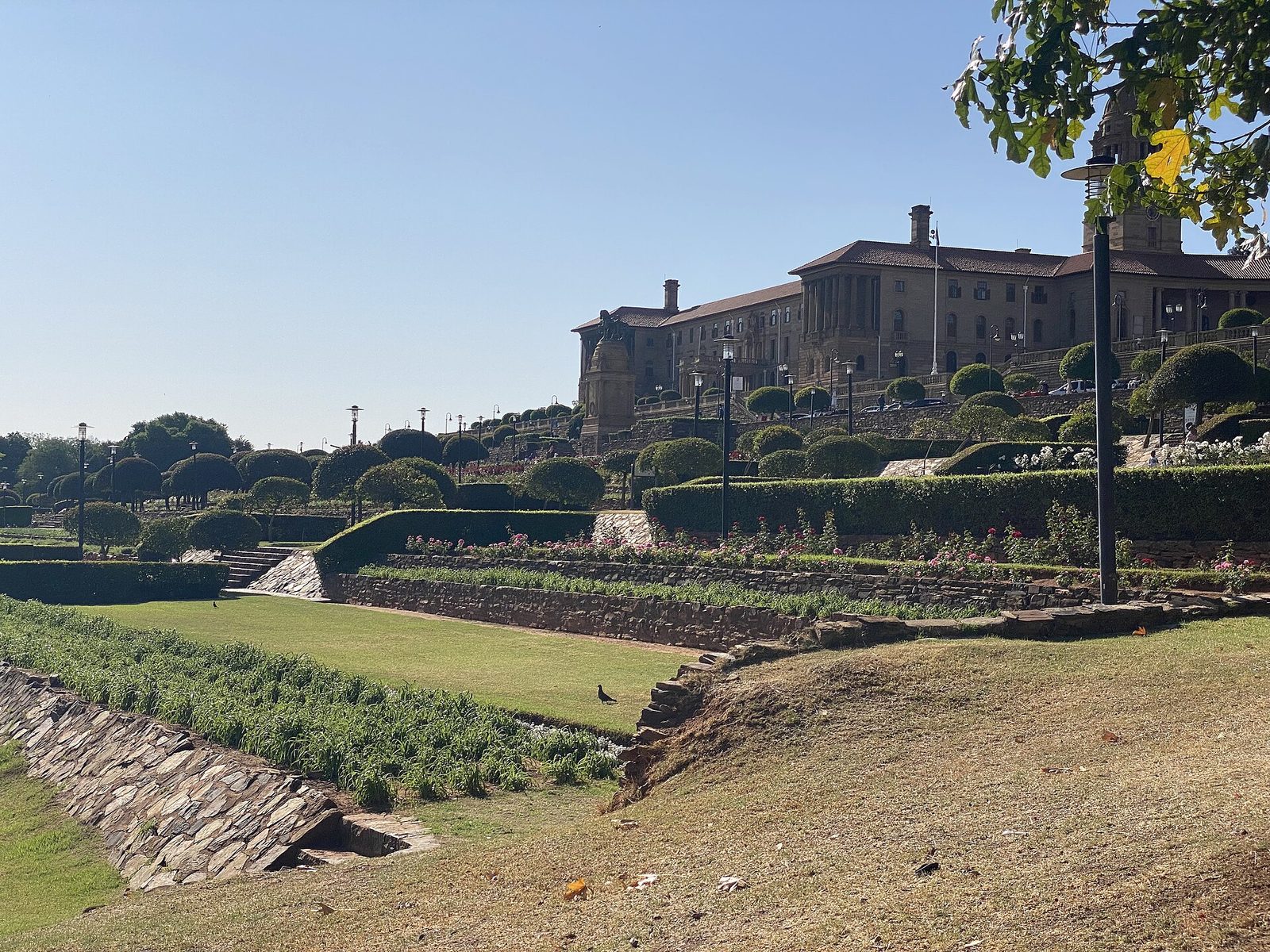
Pretoria — South Africa's foreign minister, Ronald Lamola, has set out what Africa wants from Europe: a partnership of equals in which the continent processes more of its own minerals and has more control over its economic future, the government news agency reports.
He was speaking in Pretoria on Monday at a conference on the future of relations between the two continents. Africa, he said, is not asking for old-style paternalism.
Minerals
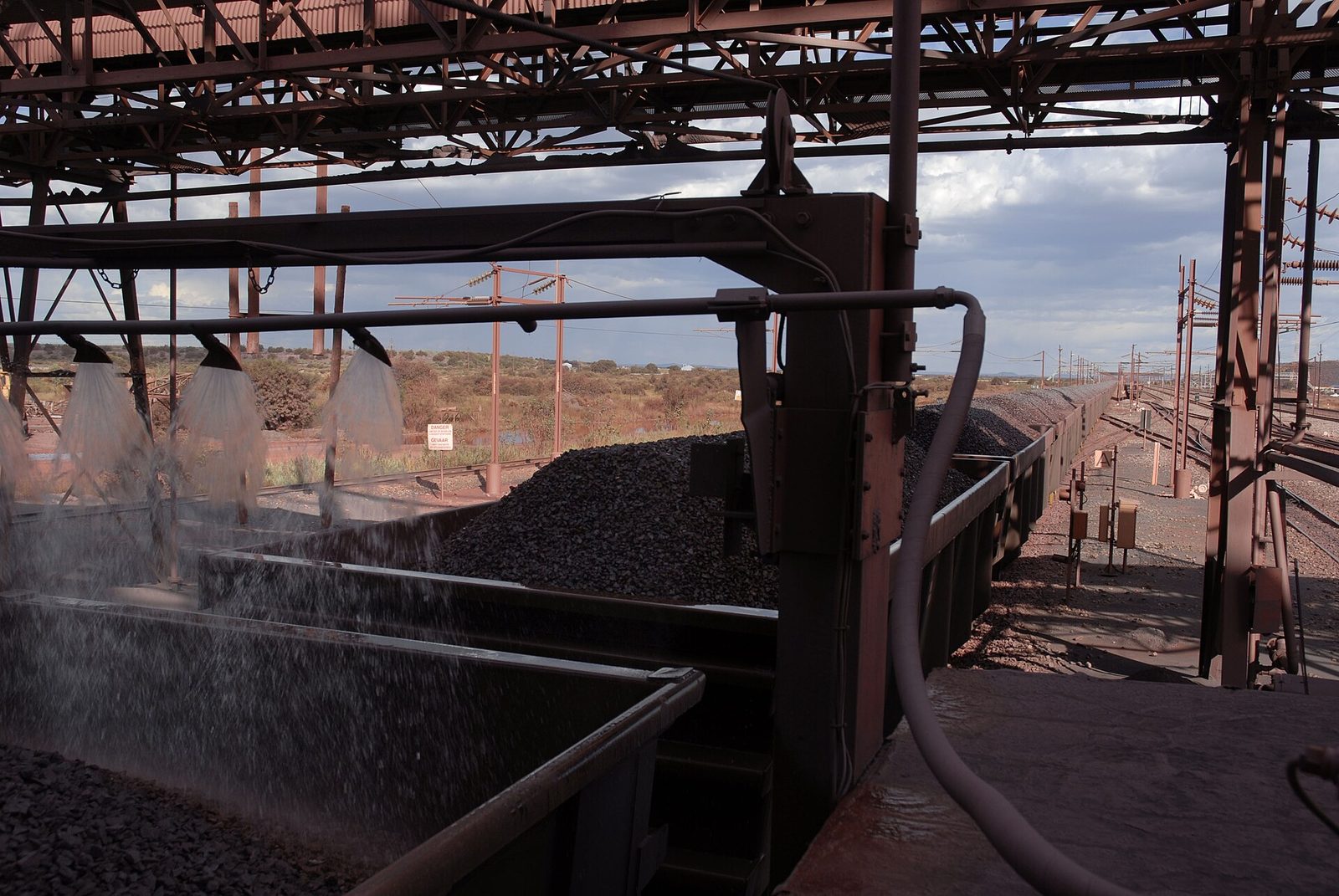
Mr Lamola's central argument was about raw materials. Africa has long supplied the inputs for wealth created elsewhere while many Africans remain poor, he said. What it needs now is partnerships that support processing and manufacturing at home.
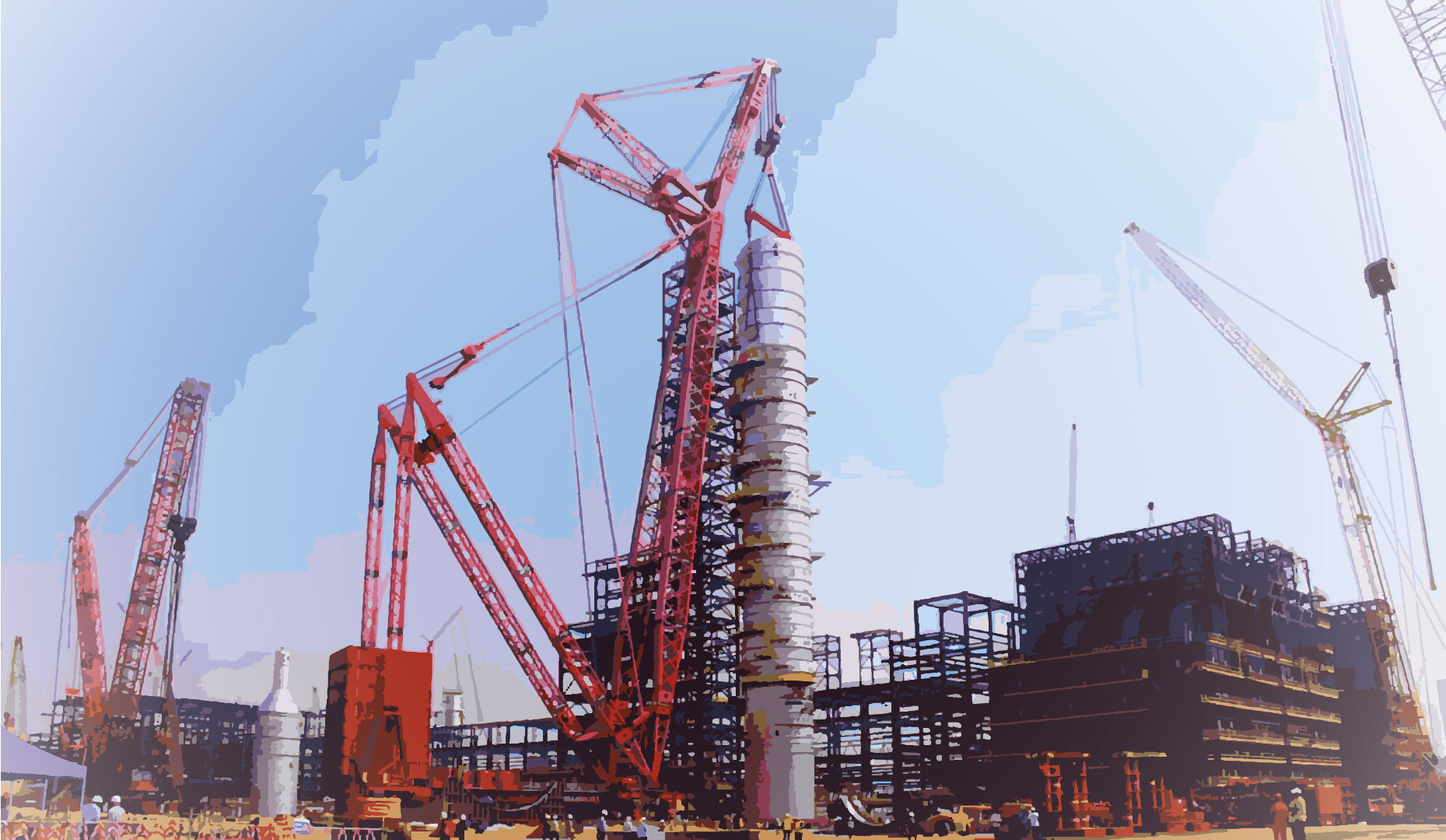
He sees room for a deal: Europe wants secure supply chains, and could bring technology and capital to help African countries process minerals where they are mined. But he warned that the global rush for critical minerals risks becoming another scramble for Africa.
The numbers he cited
- 25 African countries have recently spent more on servicing debt than on health and education.
- African and other developing countries pay an estimated three to six percentage points more to borrow than others.
- Africa's infrastructure financing gap is about $170 billion a year.
- More than 60% of European trade is within Europe. Trade between African countries is just over 14%.
He asked Europe to back reform of the international financial system, including the newly launched African credit rating agency, and to use its Global Gateway investment programme for transport corridors and ports that link African markets to each other.
The carbon tax
Mr Lamola raised the European Union's carbon tax on imports, which falls on goods Africa sells to Europe such as fertiliser, iron and steel, aluminium and cement. Some forecasts suggest it could cost Africa up to $25 billion in output, he said, and he called on Europe to balance its climate goals with the need of poorer economies to industrialise.
No exclusive relationships
He was clear that Africa will not be asked to choose. The partnership, he said, cannot demand allegiance to one bloc.
He also said it made no sense that peace efforts on the continent do not receive financial support through the UN Security Council, and that Africa needs a stronger voice there and in the institutions that govern trade and finance.
Source: SAnews, 13 October 2026.