Wangari Maathai: the woman who taught Kenya to plant trees
She founded the Green Belt Movement with rural women in 1977 and in 2004 became the first African woman to win the Nobel Peace Prize.
Lire cet article en français →
Nyeri — Wangarĩ Maathai was born on 1 April 1940 in the village of Ihithe, in Kenya's central highlands near Nyeri. She grew up to change how Kenya, and the world, thought about the environment, women and democracy.
A pioneer in the classroom
She studied in the United States through the Kennedy Airlift scholarships, at Mount St. Scholastica College in Kansas and the University of Pittsburgh. Back home she became the first woman in East and Central Africa to earn a doctorate, from the University of Nairobi.
Trees, women and power
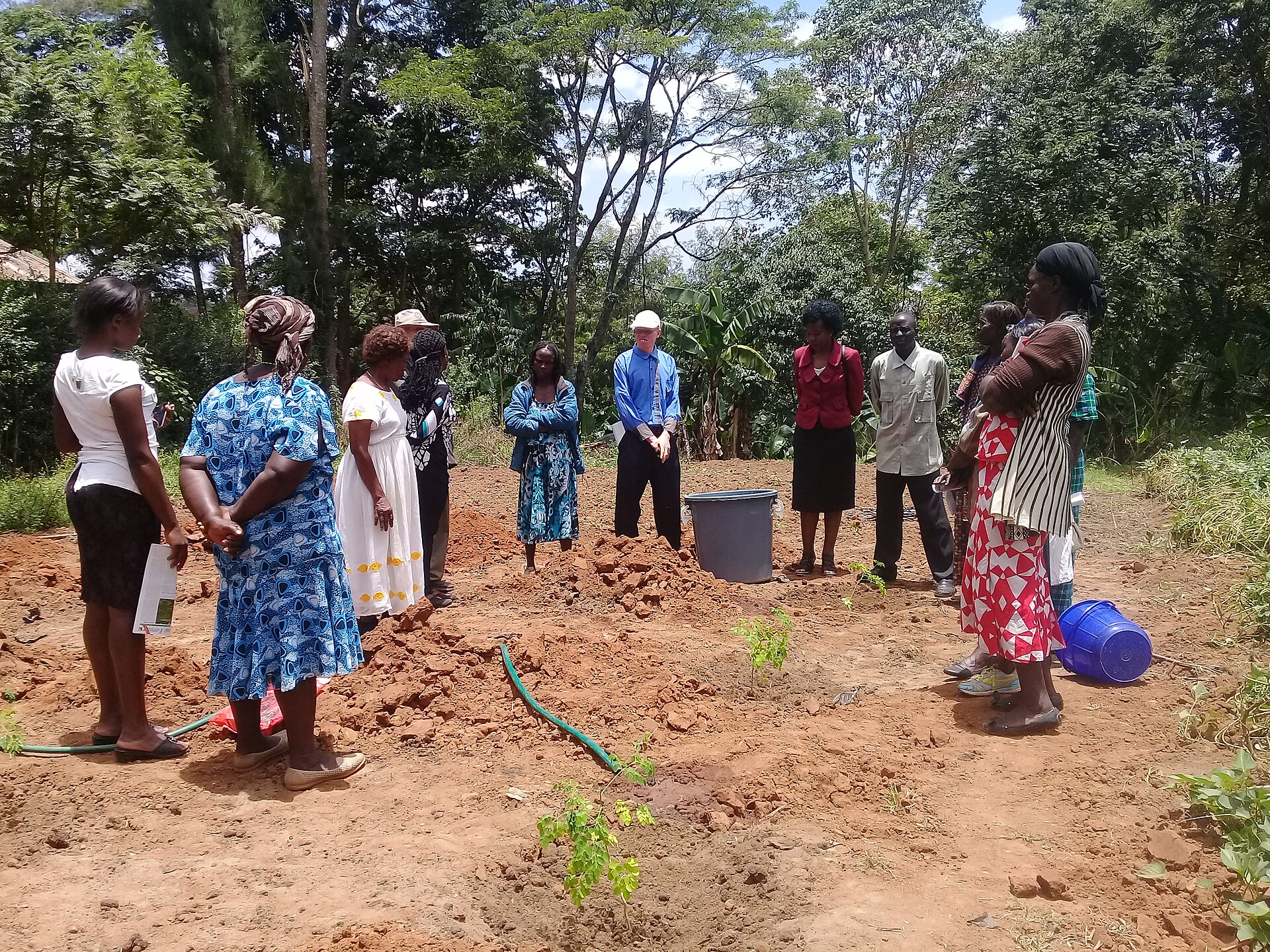
In 1977 she founded the Green Belt Movement in response to environmental concerns raised by rural Kenyan women. Her answer was simple: plant trees. Her first tree nursery stood beside a government nursery in Karura Forest. The movement grew into a nationwide campaign for tree-planting, conservation and women's rights. In 1984 she received the Right Livelihood Award for turning Kenya's ecological debate into mass action for reforestation.
Her stand was often costly. In 1989 she protested against plans for a 60-storey tower in Nairobi's Uhuru Park, and the government dismissed her publicly. She kept going.
Nobel laureate and minister
In 2004 she became the first African woman to win the Nobel Peace Prize. She was elected to parliament and served as assistant minister for environment and natural resources from 2003 to 2005, and wrote several books on ecology, development and gender. She died on 25 September 2011, but the movement she started lives on in forests across Kenya.
Background: Wikipedia.