1 November: why Algeria marks the start of its revolution
On 1 November 1954 the FLN launched the struggle that won Algeria's independence in 1962.
Lire cet article en français →
Algiers — Every 1 November, Algeria commemorates the start of the war that won its independence from France. The date marks the night of 1 November 1954, when fighters of the National Liberation Front (FLN) struck targets across the country, the beginning of what Algerians call their Revolution.
The call of 1 November
That same day the FLN issued a proclamation calling on Algerians to join a national struggle for the restoration of a sovereign, democratic and social Algerian state.
The war that followed lasted almost eight years and cost enormous loss of life. It shook France too: the crisis brought down the Fourth Republic in 1958 and brought Charles de Gaulle back to power. As the war went on, opinion in France and abroad turned, and many of France's allies stopped backing it at the United Nations.
From Évian to independence
After large demonstrations for independence in Algiers and other cities in 1960, and a UN resolution recognising Algeria's right to independence, de Gaulle opened talks with the FLN. They ended with the Évian Accords in March 1962. In a referendum on 1 July 1962, 99.72% of Algerian voters chose independence, which was declared on 5 July 1962.
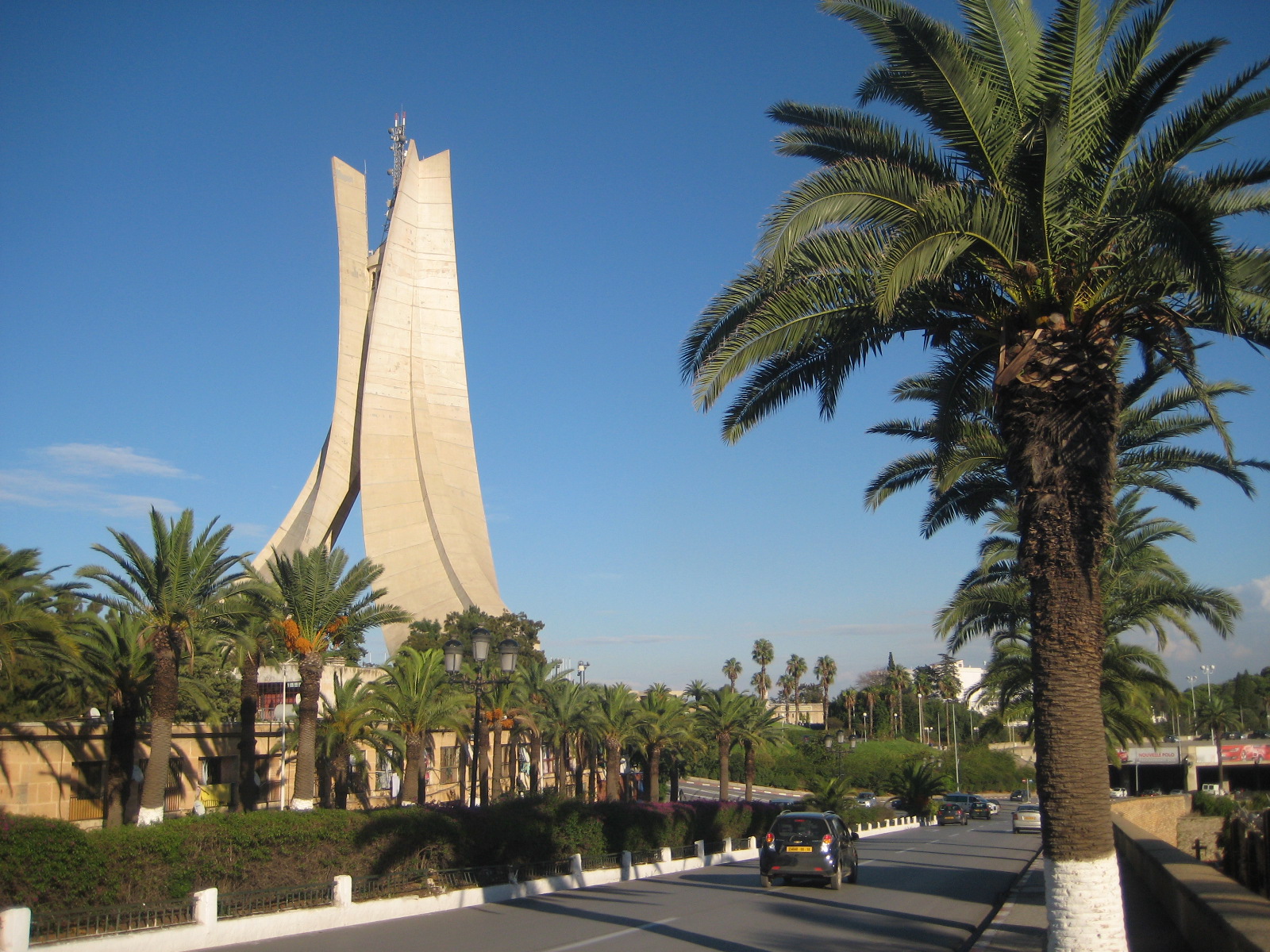
Today the Maqam Echahid, the Martyrs' Memorial that towers over Algiers, honours those who died. The struggle that began on 1 November became one of the most important wars of decolonisation.
Background: Wikipedia.