Nigeria's land agency is planting 6,200 hectares of cashew, cocoa and oil palm in four south-western states
NALDA told COP31 the plantations will create rural jobs and store carbon, and that it is seeking to sell carbon credits from them.
Abuja — Nigeria's National Agricultural Land Development Authority (NALDA) says it is developing 6,200 hectares of tree-crop plantations in four states to raise farm output, create rural jobs and restore degraded land.
Executive Secretary Cornelius Adebayo set out the plans to delegates at the COP31 climate summit in Turkey, the News Agency of Nigeria reported. The plantations are:
- 1,500 hectares of cashew at Ilero-Babaode, Oyo State
- 1,500 hectares of cashew at Joga Orile, Ogun State
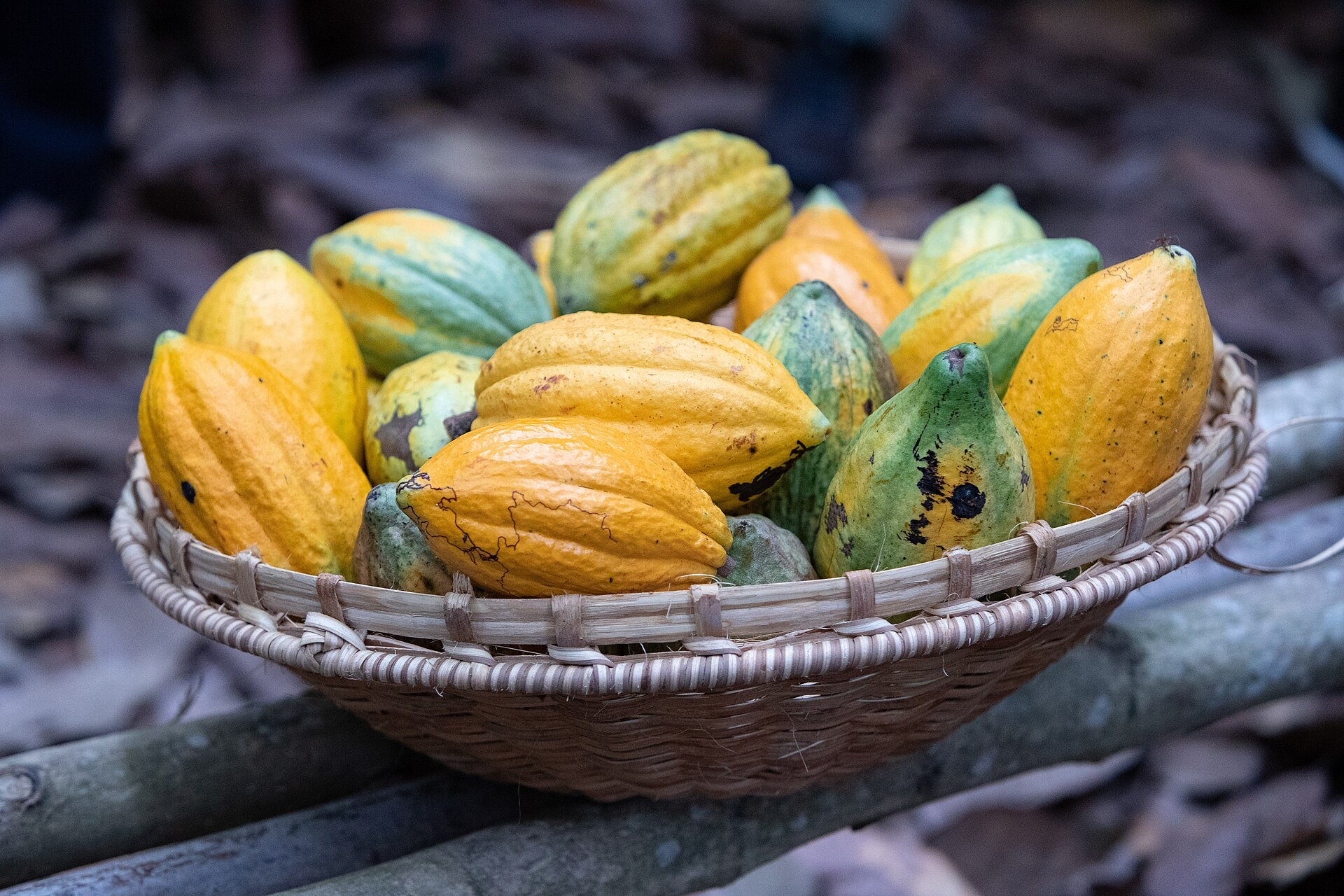
- 2,000 hectares of cocoa at Ifon, Osun State
- 1,200 hectares of oil palm at Omotosho, Ondo State
They are being developed under NALDA's Community-Based Plantation Development Programme, which aims to build long-term tree-crop farming and bring extra income to rural communities.
Carbon as a second crop
Adebayo said the trees would also store carbon, support biodiversity and improve soils, and that NALDA is documenting and verifying these benefits so the plantations can qualify for carbon credits. The agency is seeking a letter of no objection from the National Council on Climate Change to register and sell eligible credits.
"We are moving beyond the traditional focus of achieving food sufficiency to deliberately creating agricultural assets that generate multiple streams of value," he said.
NALDA is also developing three large farm estates covering 20,000 hectares, 10,000 in Ekiti State and 5,000 each in Kwara and Bauchi, with access roads, irrigation, storage, processing facilities and farm hostels.
Source: News Agency of Nigeria, 12 November 2026.