A Ghanaian novel about a poisoned river is approved as a school reader to teach pupils about galamsey
Jimmy Aglah's When the River Testified has been approved by NaCCA as supplementary reading for junior and senior high schools.
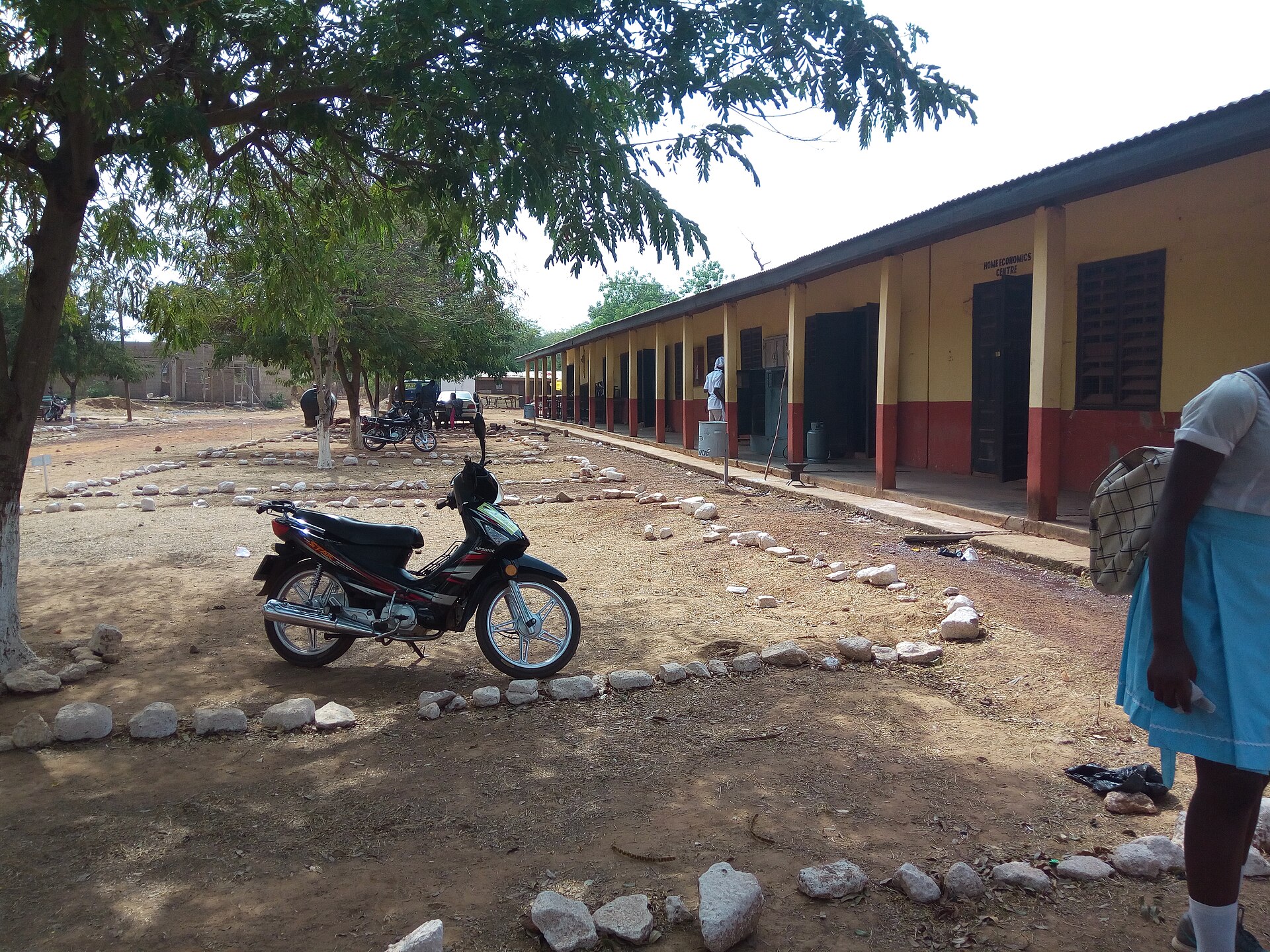
Kumasi — A novel about illegal mining and a dying river has been approved as supplementary reading for Ghanaian students, MyJoyOnline reported.
Ghana's National Council for Curriculum and Assessment (NaCCA) lists When the River Testified, by author and media executive Jimmy Aglah, as an approved supplementary reader for junior and senior high schools.
The book is set in the fictional town of Asempa Nkwanta. It follows broadcast journalist Kofi Densu, whose investigation into a deteriorating river uncovers a wider environmental and public-health crisis. Tests by a scientist, Dr Mensima, find high levels of mercury and lead in the water and in food crops, and evidence from the clinic, the borehole and the palace forces the community to face the damage and the failure of people and institutions to act.
Although the story is fiction, it mirrors Ghana's long struggle with galamsey, the illegal and irresponsible mining that has polluted rivers and destroyed farmland and forest.
Aglah said he wanted to take the conversation beyond enforcement and politics, and into schools.
"We cannot wait until our children become adults before teaching them why the rivers matter, why forests matter and why individual choices have consequences for entire communities," he said. "The fight for our environment must also be fought in the classroom, in the imagination and in the values we pass on to the next generation."
Source: MyJoyOnline, 11 November 2026.