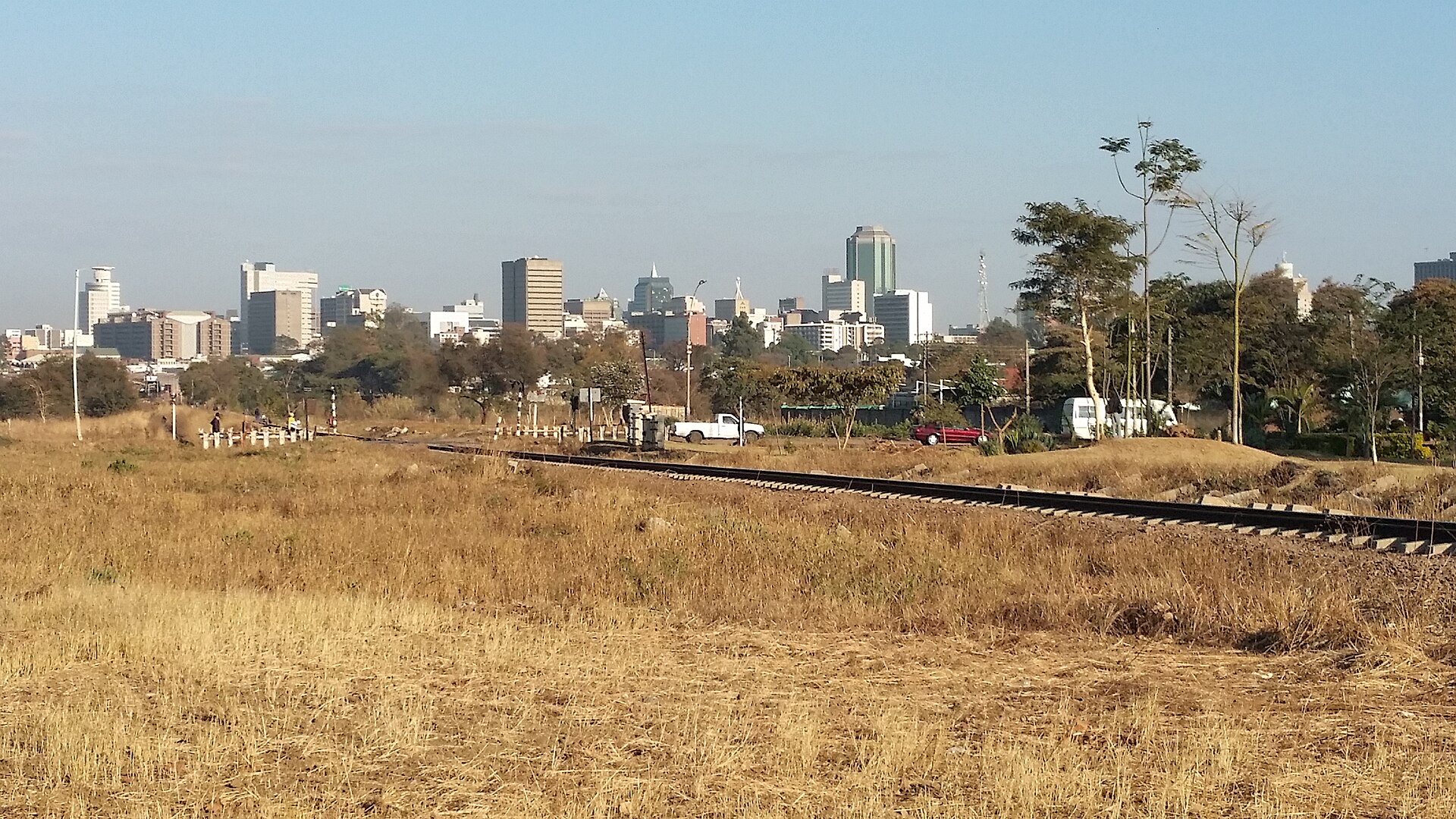
Five rescued baobabs begin a 900km journey from Durban port to a new home in Timbavati
Stopped before export to Georgia and left lying in a car park for three months, the giant trees are heading back north to be replanted.
Lire cet article en français →
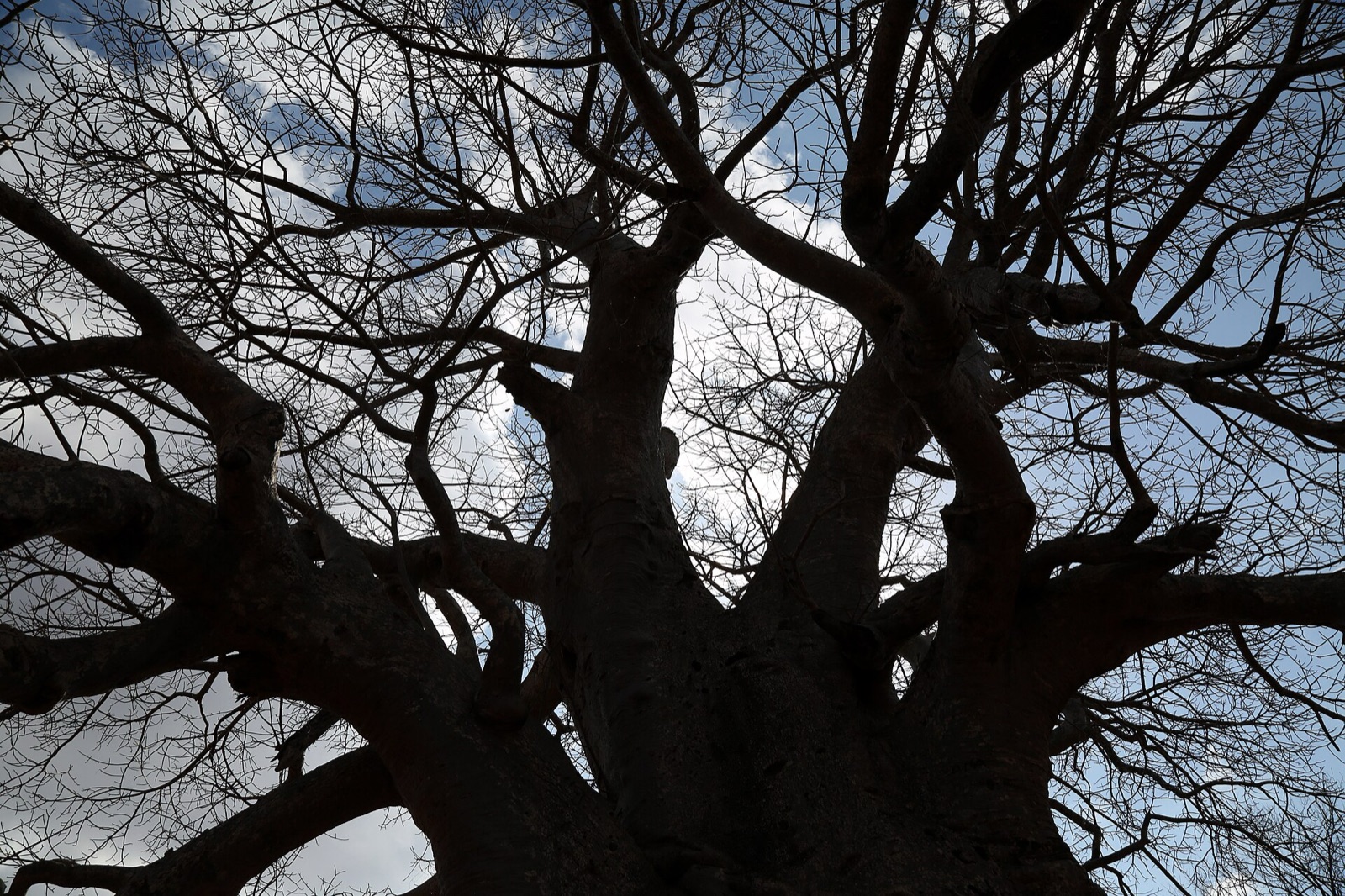
Durban — Five giant baobab trees that spent more than three months lying on their sides in a Durban car park are on their way to a new home, after conservationists and a private donor stepped in to rescue them, Daily Maverick reported.
The first of the trees was loaded on to an abnormal-load truck late on 11 November for a journey of more than 900km to the Timbavati Private Nature Reserve, which straddles the Mpumalanga and Limpopo provinces.
Stopped at the port
South Africa's Department of Forestry, Fisheries and Environment intercepted the trees in late July, just before they were due to be shipped to Georgia, reportedly to decorate properties belonging to the billionaire former Georgian prime minister Bidzina Ivanishvili. The department said the exporter could not produce valid permits for their removal, transport or export. The company says the trees came from private gardens with the owners' consent; it is due in court in Durban in January on charges under the National Forestry Act.
Ecologist Sarah Venter, founder of the Baobab Foundation, took up the trees' cause after reading about them. Through the Everard Read Group of galleries, a donor was found within ten minutes, and Timbavati offered to pay for loading, transport and replanting.
"If they had died in Durban, or been exported to Georgia, I think this would have sent the wrong message to the world about South African conservation," Venter said. She recalled that eight baobabs taken from Kenya's coast to Georgia died soon after arrival.
Leaves and flower buds
Up to 75% of a healthy baobab's weight is water, and the trees have been living on stored water. Some have grown thinner, but all have sprouted leaves and flower buds, Venter said, and she is "quite positive about their future". She treated one tree for internal rot before loading.
Timbavati ecologist Almero Bosch said a fenced site with gravelly soil similar to the trees' original home in Limpopo was ready, with cables to hold the trees steady while their roots recover and extra water on hand. Because they travel under escort as abnormal loads, the trucks cannot drive at night or at weekends, so the trees are expected to arrive later this week or early next week.
Source: Daily Maverick, 11 November 2026.