Ubuntu: the African idea that you cannot be human all by yourself
Often translated as 'I am because we are', this set of values from Bantu languages puts people's bonds with one another at the centre of life.
Lire cet article en français →
Johannesburg — Ubuntu means "humanity" in some Bantu languages, including Zulu and Xhosa. It is often translated as "I am because we are". There are many definitions, but they share one idea: people depend on each other, and each person is responsible for others and for the world around them.
A person through people
The African Journal of Social Work describes Ubuntu as a set of values and practices that people of African origin see as making them authentic human beings. The details vary between ethnic groups, but all point to an individual who is part of a larger relational, communal, environmental and spiritual world.
In Xhosa, the word often carries a more philosophical meaning: the belief in a universal bond of sharing that connects all humanity.
How the great explainers put it
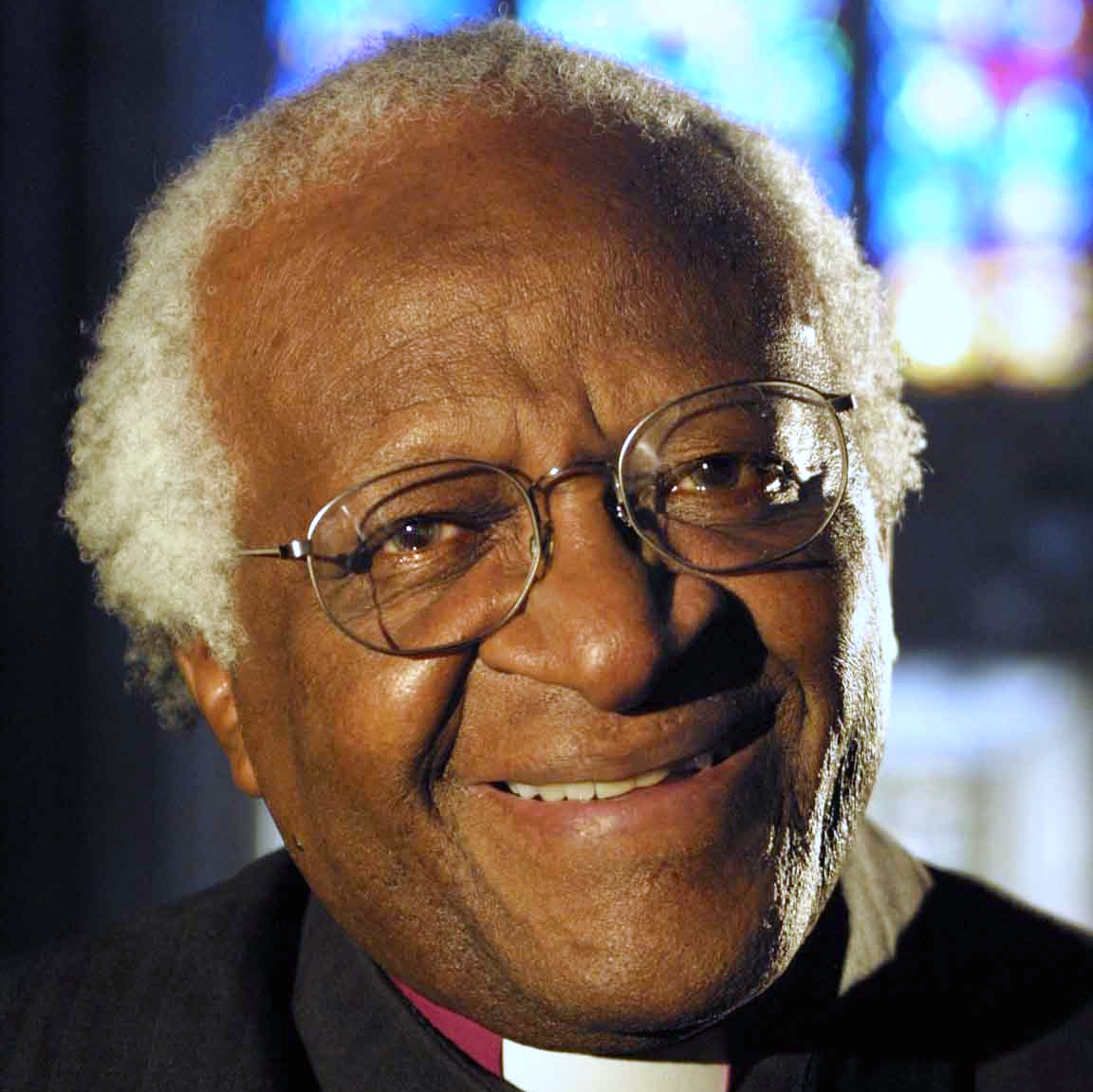
Archbishop Desmond Tutu explained in 2008 that "you can't be human all by yourself". A person with Ubuntu, he wrote in 1999, is open to others and affirms them, and does not feel threatened when others are able and good. That comes from knowing they belong to a greater whole, and are diminished when others are humiliated.
Nelson Mandela described a traveller stopping at a village who did not need to ask for food or water, because the people gave it. He added that this was only one aspect, and that it did not mean people should not look after themselves.
The Liberian peace activist Leymah Gbowee offered another version: "I am what I am because of who we all are."
Background: Wikipedia.