Caine Prize confirms Zimbabwe's Simbarashe Kundizeza as winner after finding his story was written by a human
An independent forensic review of his drafts found no evidence that The Blue Fighter was generated by AI.
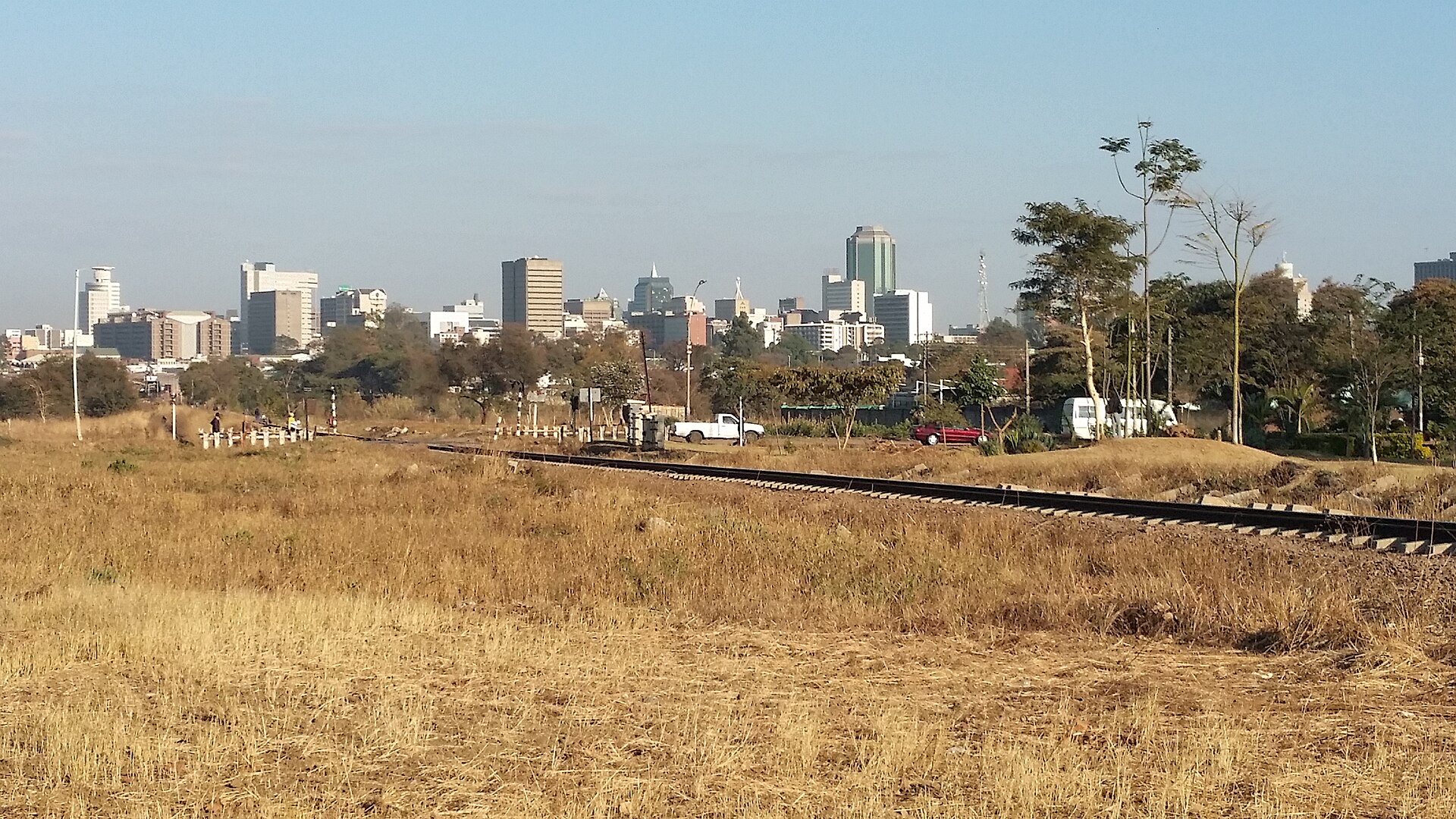
Harare — The Caine Prize for African Writing has confirmed Zimbabwean writer Simbarashe Kundizeza as the winner of this year's £10,000 award, after an internal review found no evidence that his short story was written with generative AI, the BBC reported.
"From our detailed investigation, we feel the evidence is clear: The Blue Fighter was human written," said Ellah Wakatama, chair of the prize's board of trustees, in a video posted on X.
The review followed an article in the US magazine The Atlantic which said AI-detection software had flagged the story, about a boy whose family falls on hard times, as machine-generated. Kundizeza, who lives in Harare, denied the claim. The accusation caused an uproar on social media, where some African writers suggested such charges were being made mainly against non-white writers.
How the prize checked
Wakatama said the prize took a "human-centred" approach. Its review included interviews with the author, the 2026 judging panel and the Shallow Tales Review, where the story was first published, as well as metadata analysis of drafts written by the author. That analysis was carried out by an independent cyber-security and digital forensics investigator, the prize said.
After his win in October, Kundizeza told the BBC that the story was inspired by a poem by South African poet Vangile Gantsho, heard at an event in Ghana, about her father's passion for building fish tanks. He wove it together with fictionalised details from his own life around 2002, when Zimbabwe's economic troubles began.
Source: BBC via MyJoyOnline, 11 November 2026.