The Royal Palaces of Abomey: what remains of the Kingdom of Dahomey
Twelve kings built here over nearly three centuries. A tornado struck in 1984, and restoration took the site off UNESCO's danger list in 2007.
Lire cet article en français →
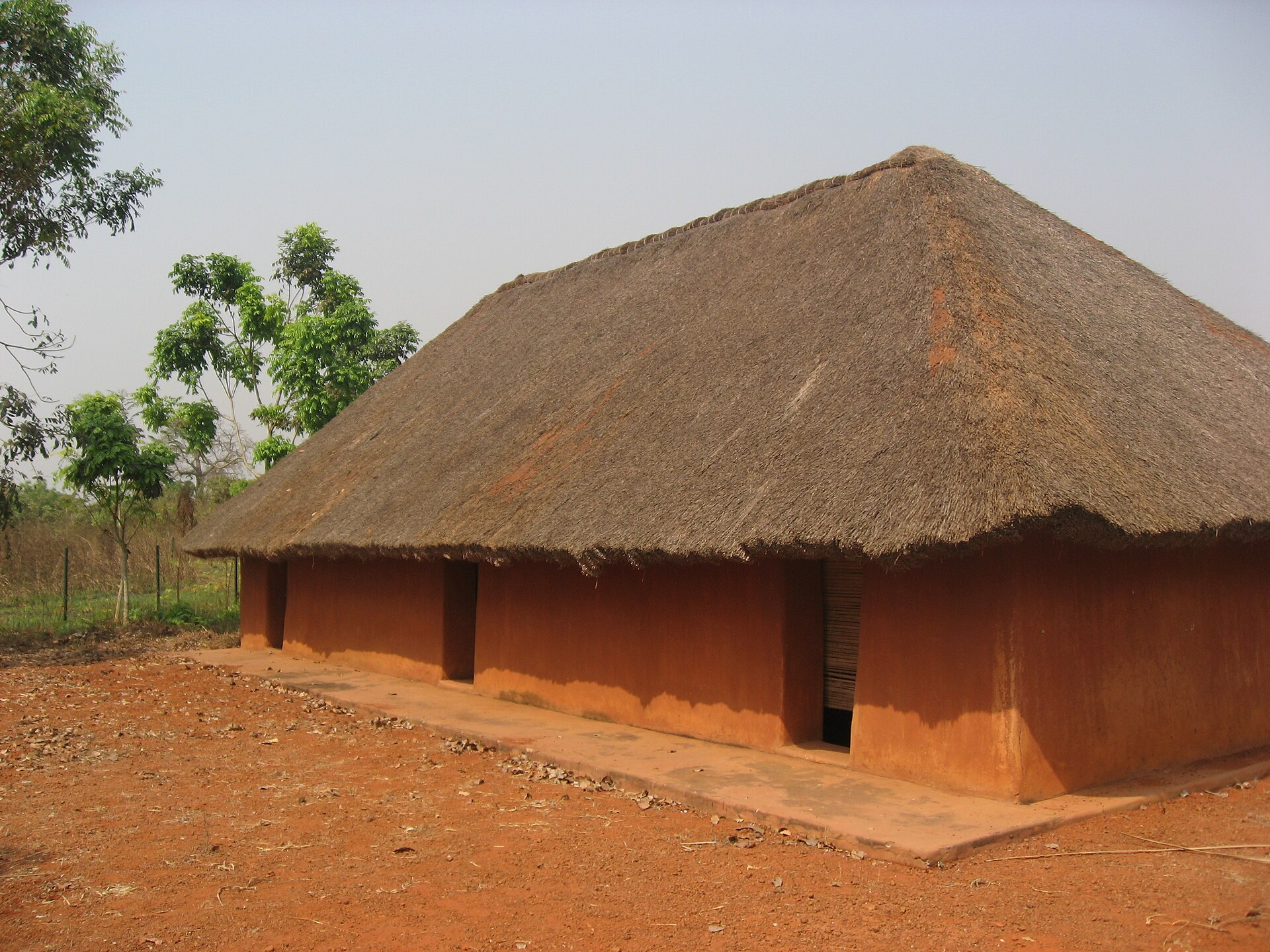
Abomey — At the heart of the town of Abomey, in Benin, 10 palaces spread over 47 hectares recall the Kingdom of Dahomey, one of the most powerful states on the west coast of Africa. At their peak, the palaces could house up to 8,000 people.
Twelve kings
The Fon people founded the kingdom in 1625, and twelve kings ruled from then until 1900. Houegbadja, who founded the city and is credited with the kingdom's legal framework, was the first to build a palace here. Except for King Akaba, who used a separate enclosure, each king built within the same cob-walled area, respecting the earlier palaces in space and materials.
A hard history
The kingdom's power rested in part on the slave trade: it sold prisoners of war to European traders on the coast until the late 19th century. In the 19th century, as the antislavery movement grew in Britain, King Guézo began to develop agriculture and farm exports.
Saved after a storm
UNESCO listed the palaces as a World Heritage Site in 1985. A tornado had struck on 15 March 1984, damaging the royal enclosure and museums, and the site was placed on the List of World Heritage in Danger. With help from several international agencies, restoration was finished, and UNESCO took it off that list in July 2007.
The palaces of Ghézo and Glélé now house the Historical Museum of Abomey. No one lives there today, but the museum tells the story of the kingdom and of its resistance to colonial occupation.
Background: Wikipedia.