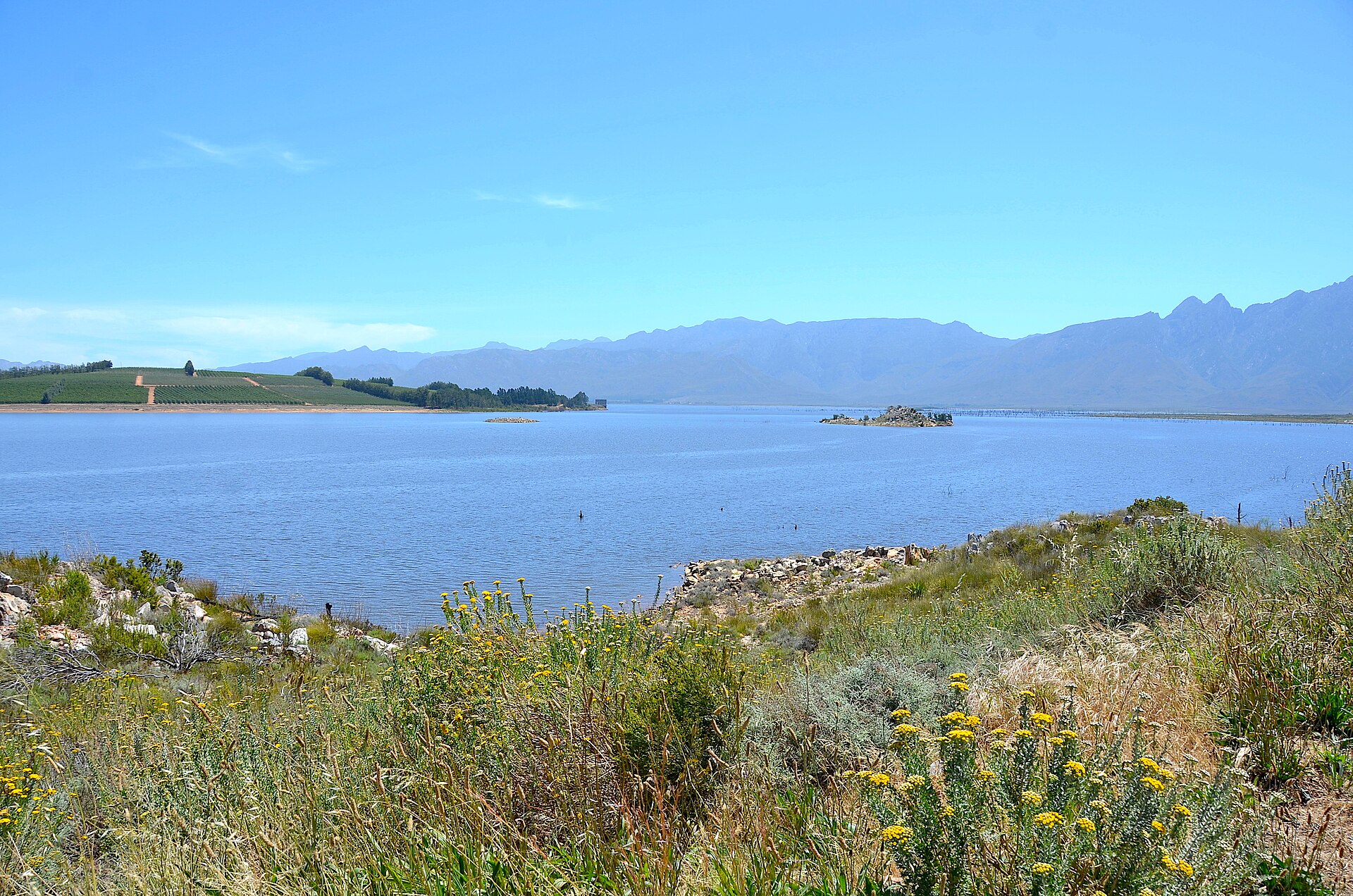
In dry Makueni, more than 1,000 sand dams are bringing water back to Kenyan villages
Sand dams trap water in seasonal riverbeds, raising the water table so families can dig shallow wells and farmers can irrigate through the dry season.
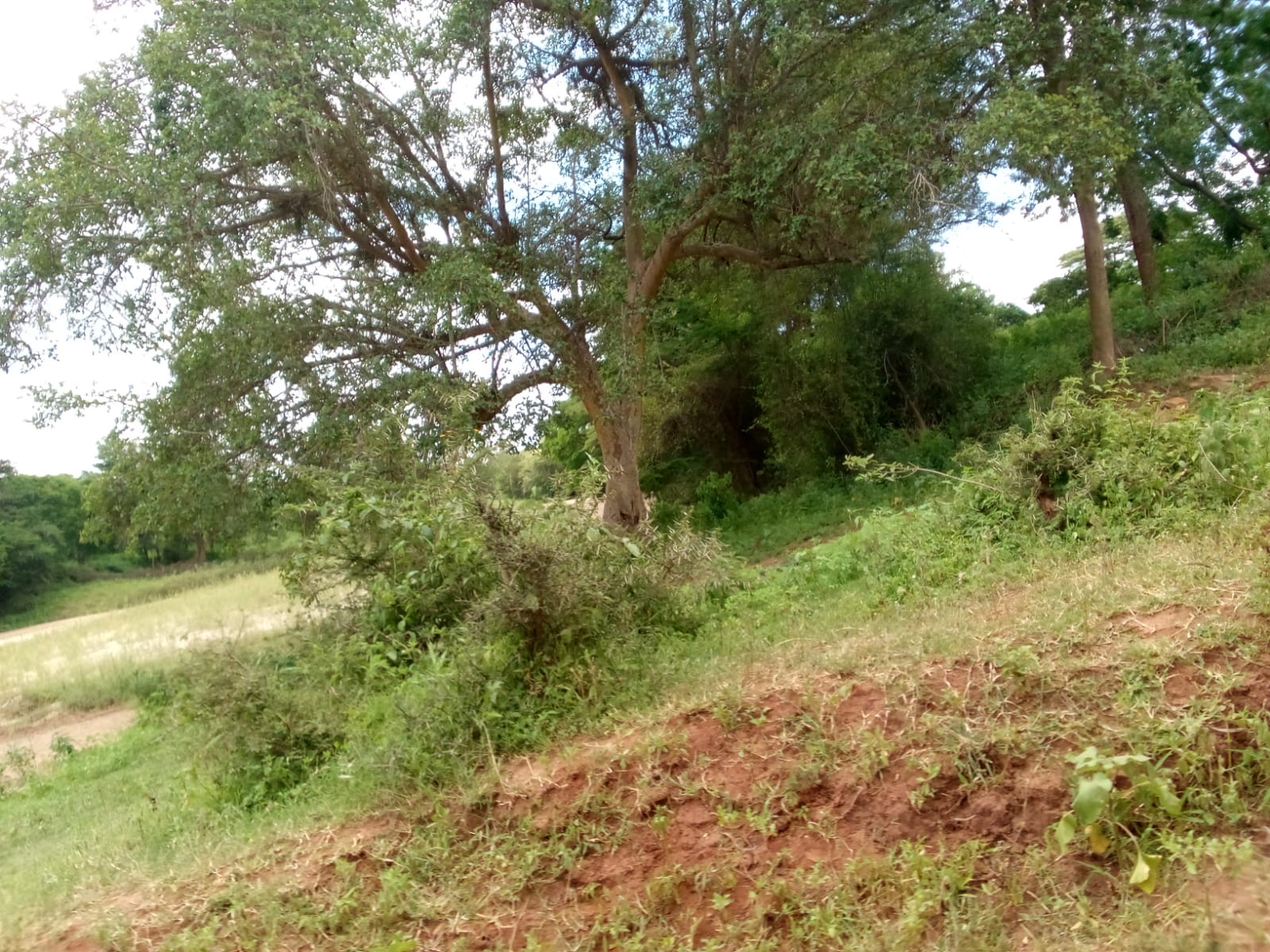
Wote — In Makueni County, in south-eastern Kenya, where unreliable rain and drought have long shaped daily life, communities are using sand to store water, KBC reported.
Sand dams are built across seasonal river channels. As sand builds up behind them, it holds water and raises the water table. The Makueni Sand Conservation and Utilisation Authority, set up in 2015, has built 26 sand dams across 13 wards, and with development partners the county has supported more than 1,000.
"We have a lot of sand in Makueni, actually the best quality in the country," said Joseph Kioko, the county's civil society coordinator. "When we conserve this sand, we find that the water table will rise, which encourages agriculture and the availability of water in many households."
Water in the village
Kioko grew up in Mikauni village. "Previously, we used to fetch water 8 to 14 kilometers away at the Athi River. Now, we just dig shallow wells and access water right in our village," he said.
In Wote, the county headquarters, a sand dam built across the Kaiti River in 2013 by the Utooni Development Organisation and a local self-help group can store 34,390 cubic metres. Farmers downstream pump water from the shallow stores and say they can now farm year-round, even in severe dry seasons.
The county also passed a law in 2015 to regulate sand harvesting, turning sand from a free-for-all into a managed resource.
Source: KBC, 15 November 2026.