Tsodilo Hills: the Kalahari hills where Botswana keeps 4,500 rock paintings
Some of the paintings in the World Heritage hills of the Kalahari may be 24,000 years old. San and Bantu artists left their mark here over thousands of years.
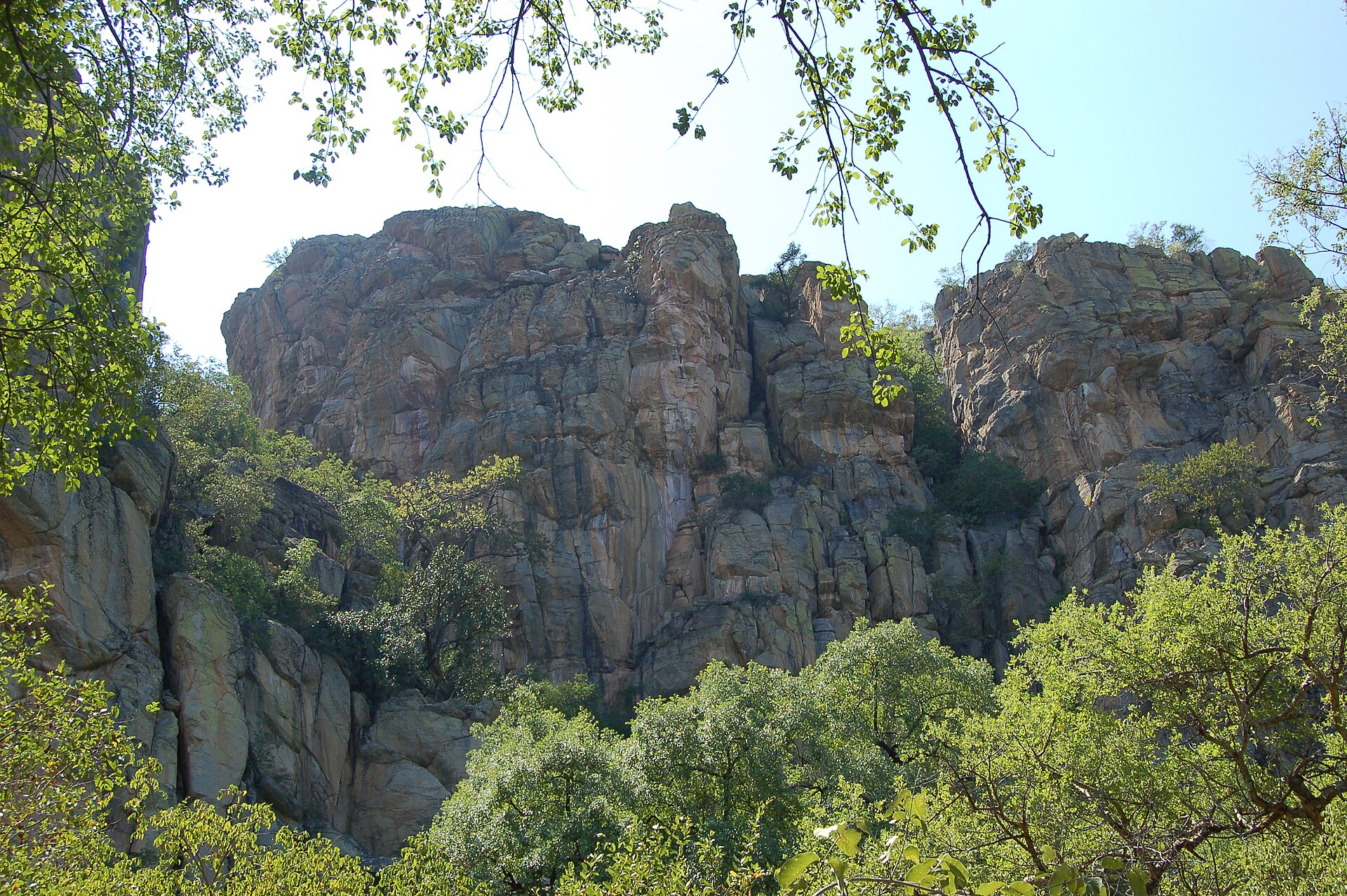
Shakawe — In north-western Botswana, about 40 kilometres from Shakawe, a group of hills rises from the Kalahari. The tallest, at about 1,400 metres above sea level, is one of the highest points in the country. Local people know the main hills as the Male, the Female and the Child.
UNESCO made the Tsodilo Hills a World Heritage Site in 2001, for their religious and spiritual importance to local communities and their long record of human settlement. It estimates there are more than 4,500 rock paintings across some 500 sites.
Thousands of years of art
People have painted and held rituals here for thousands of years, and some of the paintings have been dated to as early as 24,000 years ago. Many are thought to be the work of the ancestors of the San; others were made by Bantu-speaking peoples.
Red paintings are found all over the hills. At Rhino Cave, on the north side of the Female Hill, a white rhino is painted on the wall, crossed by a giraffe and surrounded by red geometric designs. In the White Paintings Rock Shelter on the Male Hill, white figures of animals and people stand with hands on hips; a few riders on horseback show that some were painted after horses reached the area in the mid-1800s.
Visiting
A managed campsite between the two largest hills has showers and toilets, a small museum and an airstrip nearby. It is close to the best-known panel, named after the writer Laurens van der Post, who described the paintings in his 1958 book The Lost World of the Kalahari.
Background: Wikipedia.