A litre of seawater can reveal 100 species. UNESCO is testing it
Environmental DNA lets scientists count marine life without catching it. UNESCO's programme now covers 30 marine protected areas, with lessons for East Africa's fishing coasts.
PANM — Every fish, coral and seaweed leaves traces of its DNA in the water. Collect a litre with a syringe, push it through a small filter, and a laboratory can identify on average about 100 species, says Saara Suominen of UNESCO's Intergovernmental Oceanographic Commission, IPS reports.
The programme
UNESCO's eDNA Expeditions began with a pilot at 21 marine World Heritage sites, where about 500 samples identified more than 4,000 species; some samplers were children as young as six. The expansion, launched at the UN biodiversity conference (COP17), covers 30 marine protected areas, aiming for about 3,000 samples by 2028, with repeat sampling over three years. It can show biodiversity trends, detect invasive species early and test whether protected areas still hold the species they were created for.
Why it matters for Africa's coasts
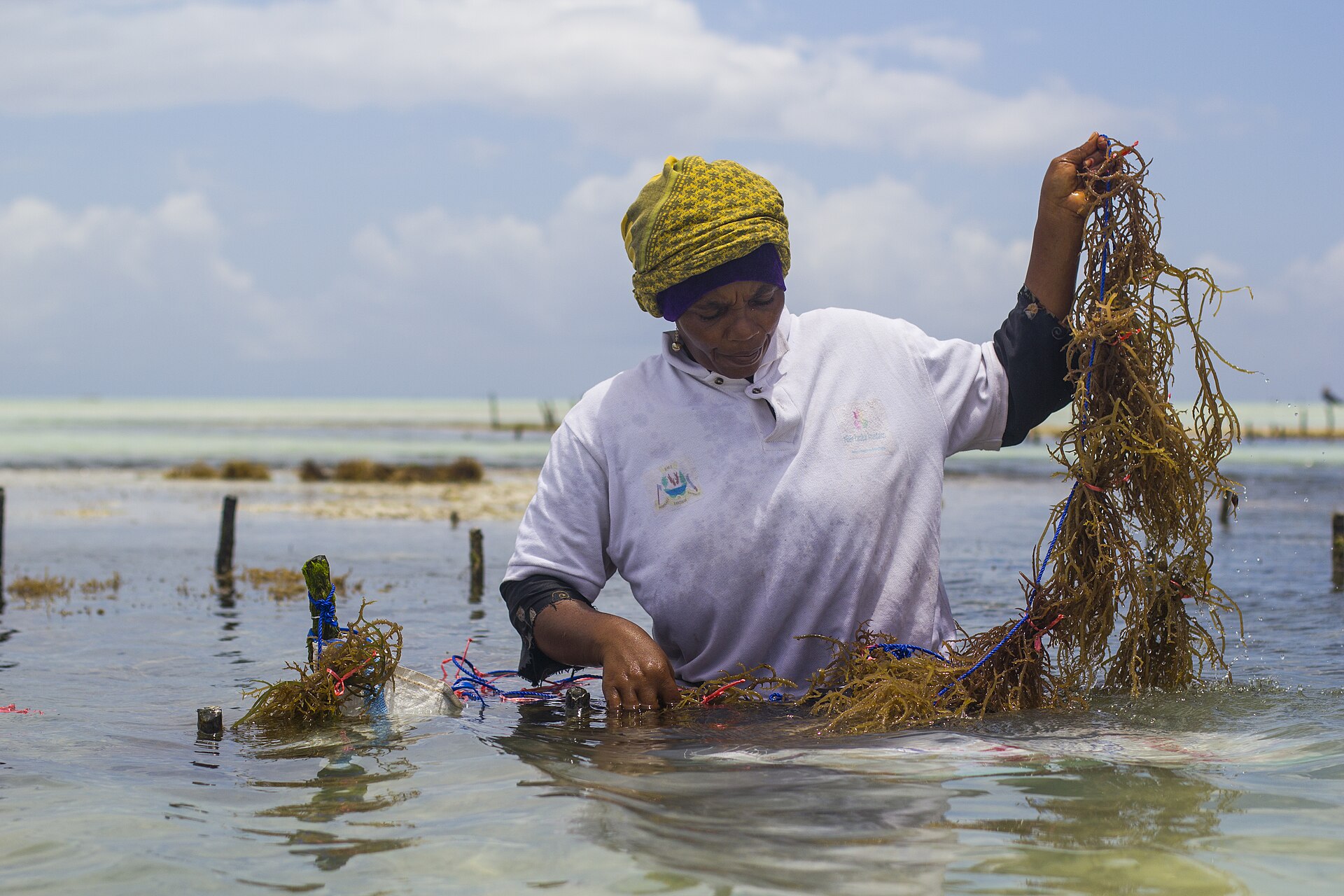
In Tanzania, fishing and aquaculture directly employ about 430,000 people and more than 4.5 million depend on related work, according to the World Bank. Seaweed farming, mostly done by women, supports much of Zanzibar's coastal workforce. UNESCO researchers say eDNA could track where species are found in places such as Zanzibar's fish markets and reefs, though no Zanzibar results have been published yet.
Its limits
Suominen says eDNA complements traditional monitoring rather than replacing it: it cannot on its own explain falling catches or set sustainable harvests, and currents and temperature affect how DNA spreads.
Source: IPS via AllAfrica, 22 October 2026.