What works for children's mental health in African schools
A review of 122 studies by the African Population and Health Research Center finds short skills programmes like Kenya's Shamiri work, but counselling rooms alone do not.
Nairobi — Nearly half of Africa's population, 46% in 2024, was under 18, and specialist mental health care is scarce. So what can schools do? Researchers at the African Population and Health Research Center (APHRC) in Nairobi screened 1,759 records and reviewed 122 studies to find out, Lydia Namatende-Sakwa writes in The Conversation.
What works
- Short, structured programmes that teach coping, emotional and problem-solving skills, delivered by trained non-specialists, can reduce symptoms of depression and anxiety.
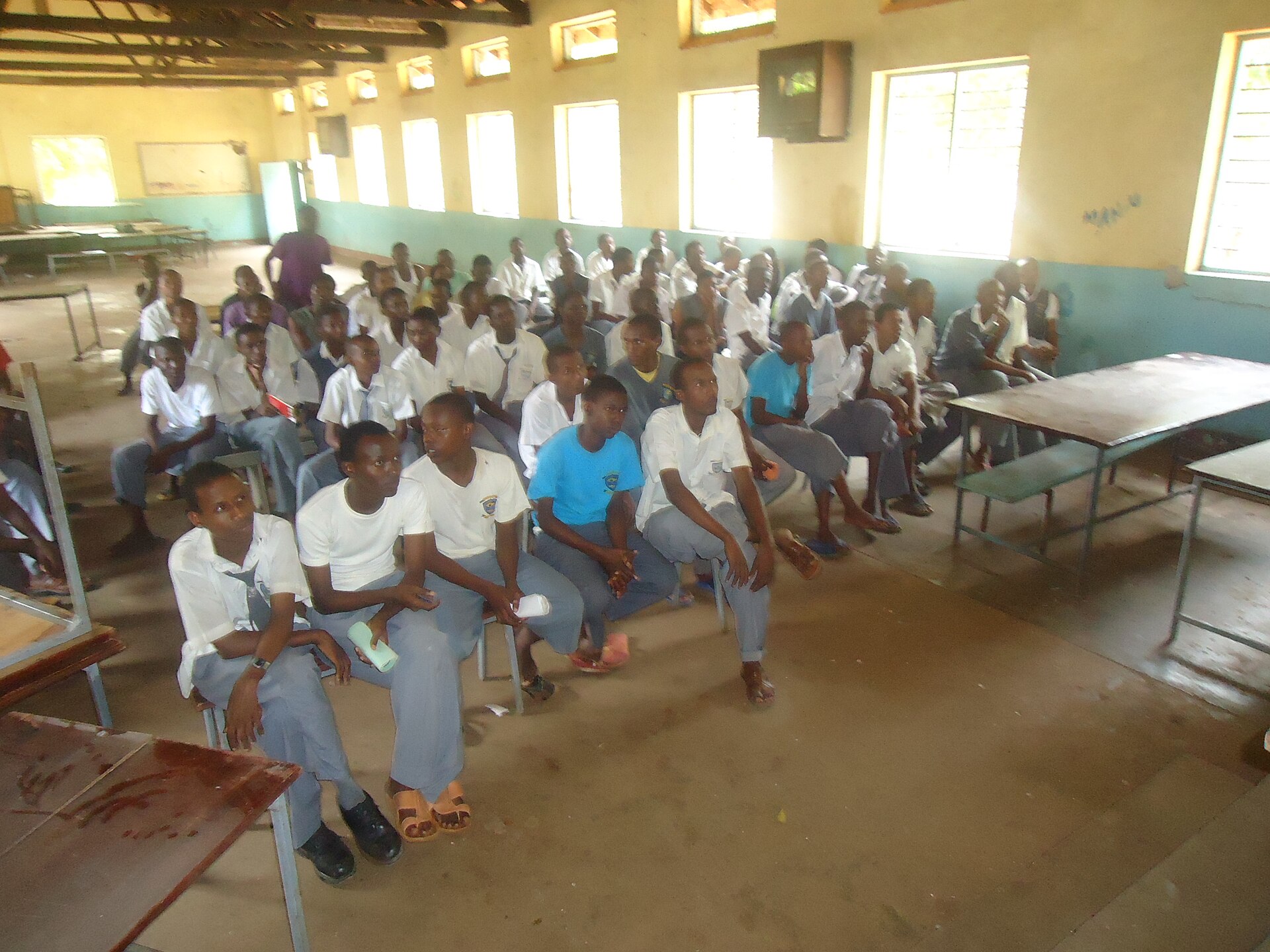
- Shamiri, from Kenya, is one example: four weekly one-hour group sessions in secondary schools with exercises such as problem-solving and writing gratitude letters. In a trial of 413 adolescents it cut depression and anxiety more than a study-skills course, and the benefits lasted seven months.
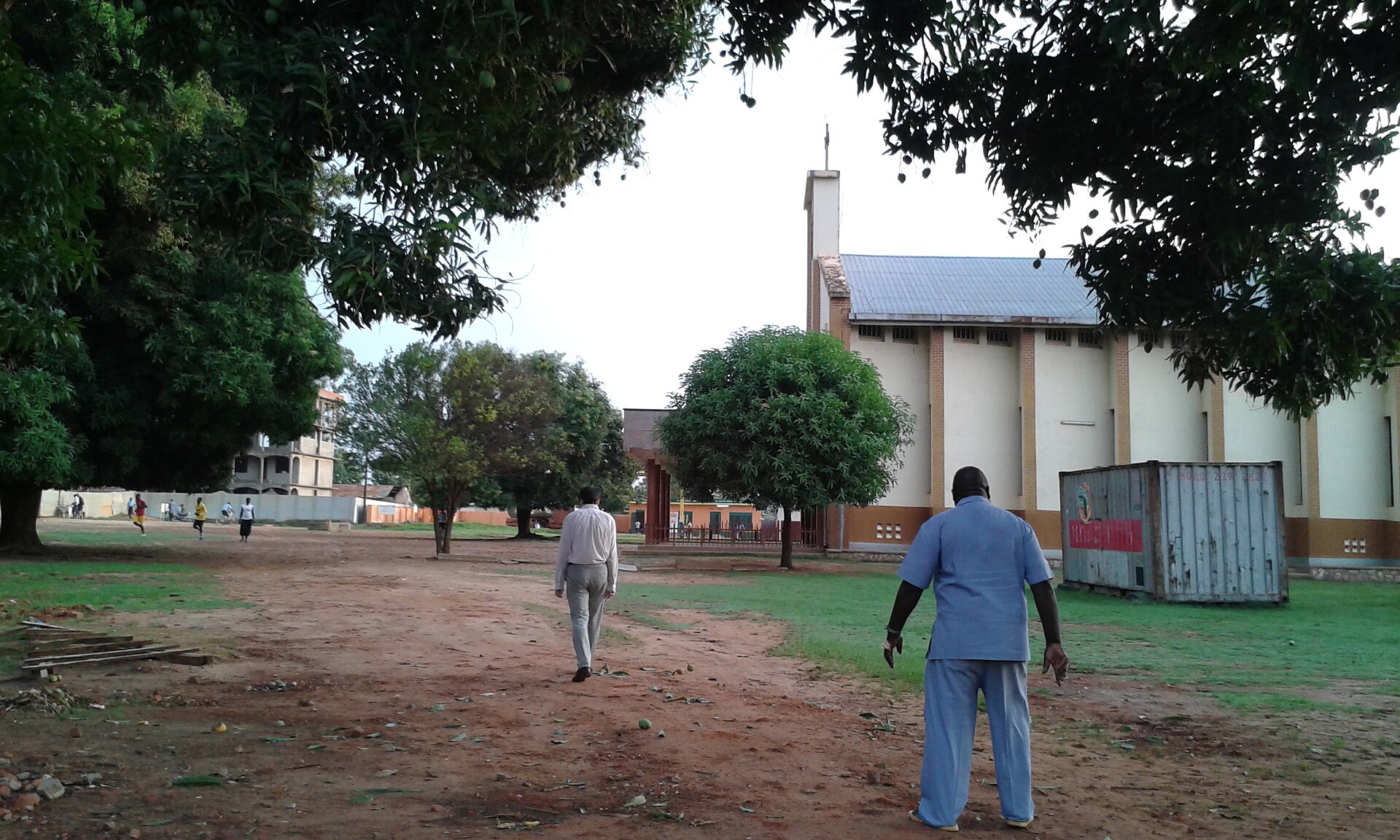
- Movement and creativity: a Ugandan programme for refugee children combining games, music, dance and breathing exercises improved wellbeing and social connection.
- Awareness for pupils and staff about recognising distress, reducing stigma and knowing where to get help.
What does not work on its own
A counselling room or a one-off programme cannot change the conditions that cause distress. And teachers should not be expected to diagnose, treat serious cases or act as psychologists; adding that load without time or support raises their own stress.
The recommendation
Build a system: prevention, early identification, support for teachers, families and non-teaching staff, and clear referral routes to clinics and child-protection services. Most evidence comes from Ghana, Uganda, Tanzania, South Africa and Kenya; French- and Portuguese-speaking Africa and rural areas need more research.
Source: The Conversation Africa via AllAfrica, 21 October 2026.