Africa already repairs and reuses. Researchers say build on it
A review of policies across the continent finds Africa's everyday circular economy is a strength, and says reliable waste collection matters more than high-tech plants.
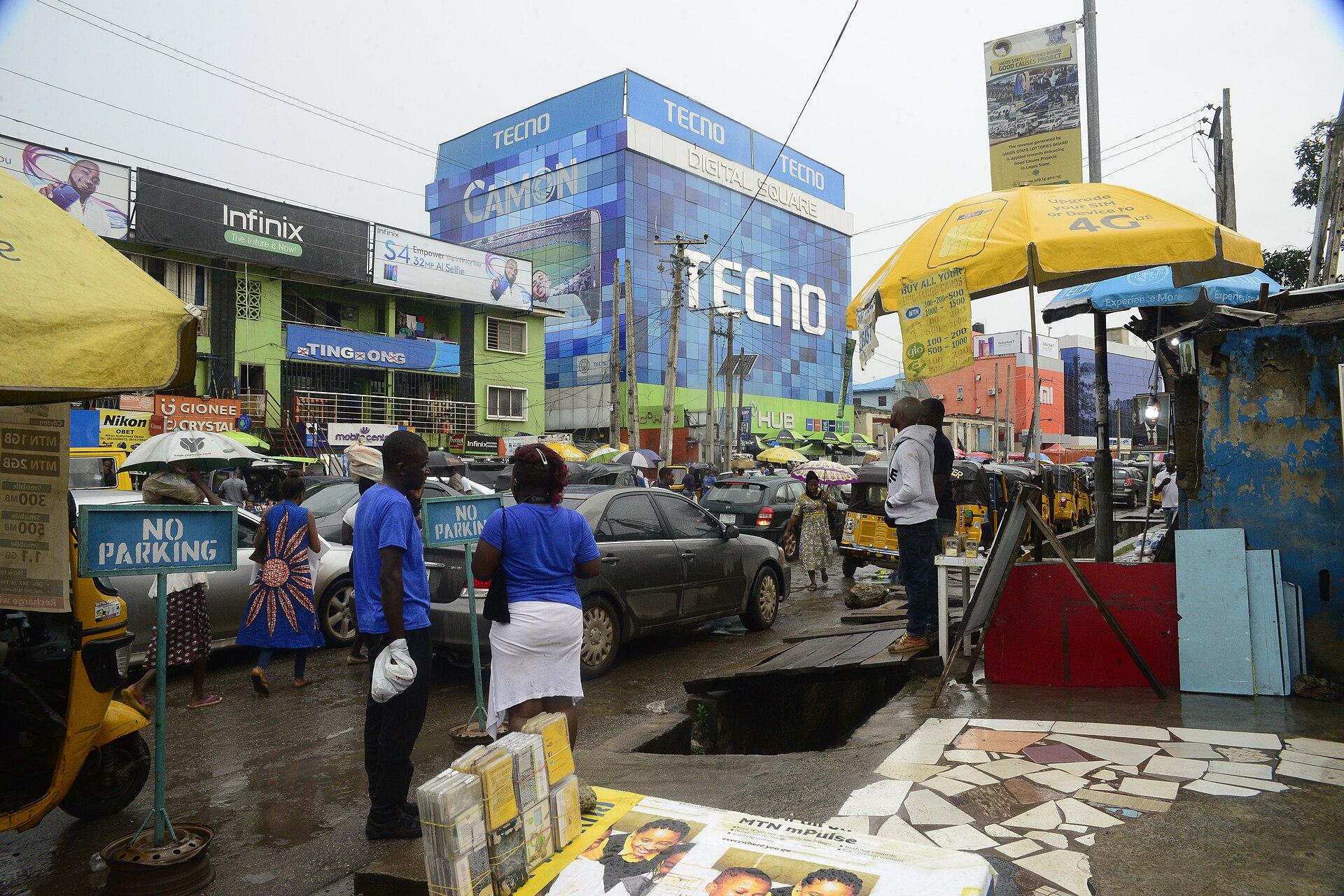
PANM — A broken fridge in many African cities is not rubbish. It is repaired and resold, stripped for parts or collected for its metal. Old clothes are remade; crop residues become animal feed, compost or fuel. Three researchers at Charles Darwin University argue in The Conversation that this everyday circular economy is something to build on, not replace.
Michael Odei Erdiaw-Kwasie, Amila Udage and Matthew Abunyewah reviewed policies and examples across African countries.
What is already in place
- 34 African countries have banned plastic bags to some degree.
- Rwanda, Ethiopia, Ghana, Nigeria, South Africa and Morocco have e-waste recycling facilities and waste-to-energy projects.
- Kenya makes manufacturers collect and recycle their products after use.
- South Africa has extended producer responsibility rules.
- Ghana's National Plastic Action Partnership links government, business and civil society.
- Nigeria is drafting a national circular economy roadmap; its company Wecyclers links informal collectors with recycling markets.
- The African Union has a Continental Circular Economy Action Plan (2024–2034).
What would help most
The authors say many debates wrongly assume Africa must copy the high-tech systems of rich countries. Their recommendations:
1. Start with the basics: reliable collection, sorting and safe disposal. Costly technology fails if waste is never collected. 2. Back informal workers such as reclaimers, repairers and second-hand traders with training, safer conditions, fair pay and social protection. 3. Measure people, not just tonnes: whether recyclers' conditions improve and recovered goods stay affordable.
Gaps remain: thin waste collection in many cities, few recycling plants, and local councils short of money and equipment.
Source: The Conversation Africa via AllAfrica, 21 October 2026.