Africa's cave bats can outlast climate change if they have homes
A Wits-led study finds the climate long-fingered bats need could shrink by up to 64%, and only about 2% of suitable caves sit where that climate will last.
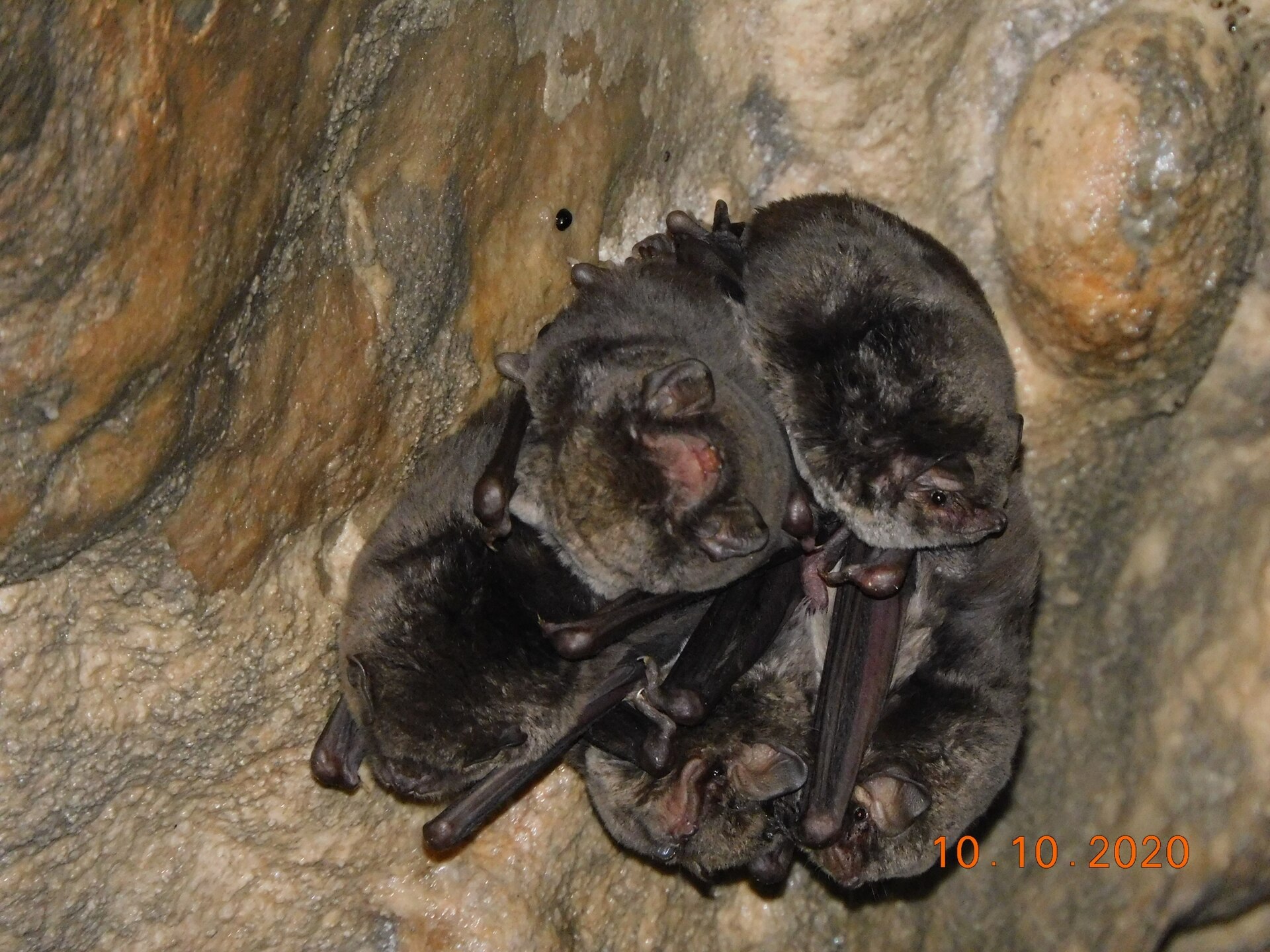
Johannesburg — Climate models usually ask where a species will find the right temperature and rainfall in future. A study led by Mariëtte van der Walt of the University of the Witwatersrand asked a second question: will the animals have somewhere to live when they get there? She and Mark Keith wrote about their findings in The Conversation.
The study
The team looked at Africa's long-fingered bats (family Miniopteridae), which are widespread south of the Sahara, depend heavily on caves and often share them with other species. They used 551 reliable records of where the bats occur, matched each to its local climate, and projected where those conditions would last to around 2070 under moderate warming. Then they compared that with where suitable caves and rocky roosts actually are.
What they found
- Suitable climate could shrink by 36% to 64% by 2061–2080.
- The areas that remain are mainly in southern Africa, the eastern highlands and Madagascar.
- Only about 5% of areas with suitable caves also keep a suitable climate, falling to about 2% once landscape change around them is counted.
What it means for conservation
The authors call for protecting "safe havens" where three things meet: a climate that will stay suitable, roosts to live in, and connected landscapes so bats can move between caves. Roads, cities and farms that fragment the land make those journeys harder. Bats matter: they eat insects, and fruit bats help regrow forests. The same logic, the researchers say, applies to frogs that need particular wetlands, birds tied to forest types and plants that need certain soils.
Source: The Conversation Africa via AllAfrica, 21 October 2026.