Africa's monitored wildlife populations have fallen by 80% since 1970, WWF says
Forest elephants are down by more than 60%. The report says the world spends over thirty times more on activities that harm nature than on protecting it.
PANM — Populations of wild animals monitored across Africa shrank by an average of 80% between 1970 and 2022, according to the latest Living Planet Report from the World Wide Fund for Nature (WWF), as reported by Radio France Internationale.
The global average decline is 73%. Latin America and the Caribbean recorded the steepest fall, 95%. In Asia and the Pacific the figure is 49%.
What the number means
The figures come from the Living Planet Index, compiled by the Zoological Society of London. It tracks the average change in size of thousands of monitored populations of mammals, birds, fish, reptiles and amphibians. It does not mean that 80% of all animals have disappeared.
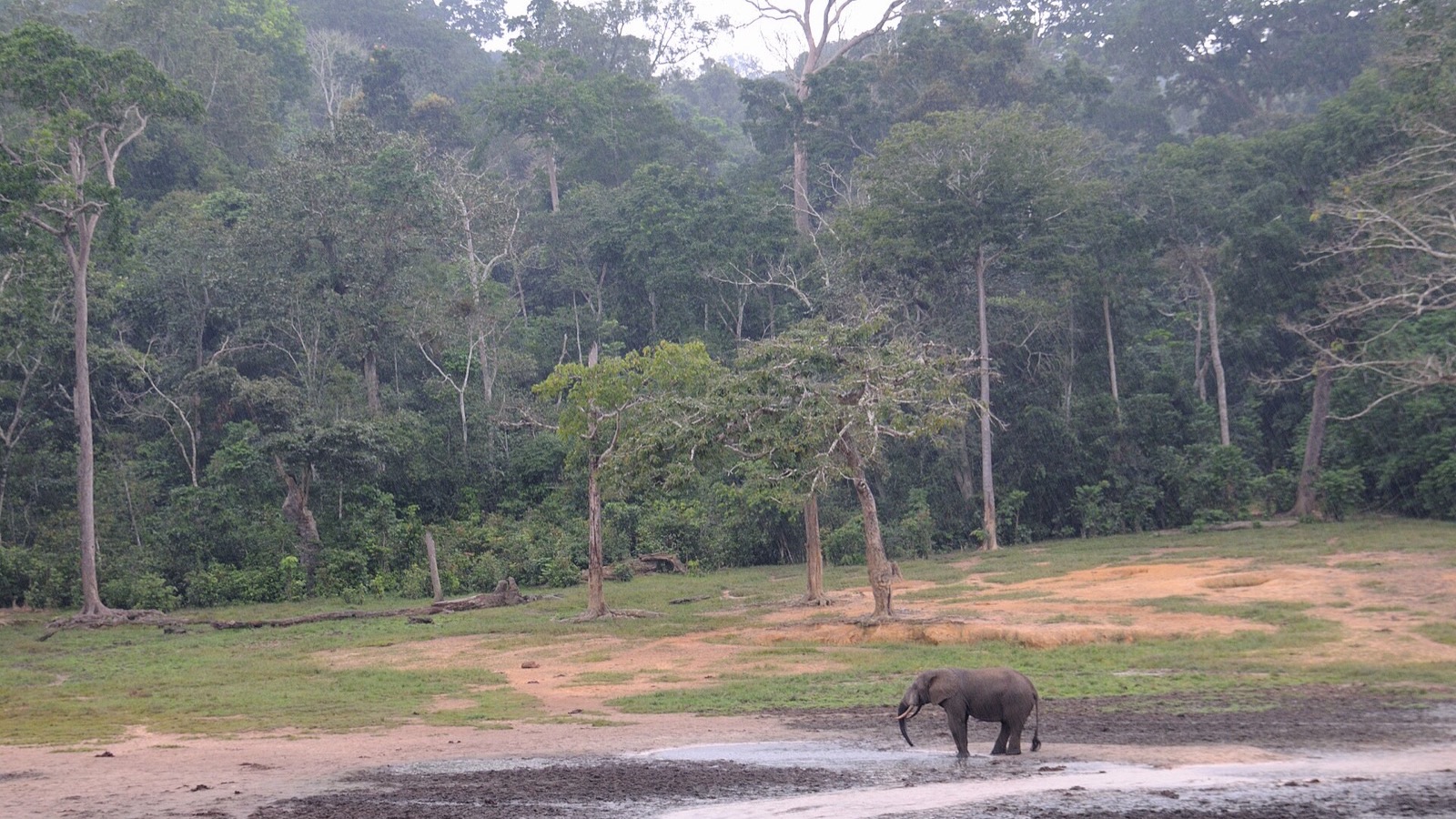
Among the species highlighted, African forest elephants have declined by more than 60% in recent decades.
Yann Laurans, director of conservation programmes at WWF France, said the decline in Africa "began later" than in Europe, and that monitoring started in the 1970s from "extremely high" levels of wildlife.
Money pointing the wrong way
The report sets the losses beside spending. In 2023 the world spent $7.3 trillion on activities that damage nature and $220 billion on protecting it. WWF puts the annual shortfall in funding for biodiversity at $942 billion.
Durrel Halleson, head of policy and partnerships at WWF Africa, also spoke for the organisation. The report points to the Congo Basin, the world's second-largest tropical rainforest, and to Southern Africa as regions of particular importance.
Governments meet in Armenia from 19 to 30 October for the next UN biodiversity conference.
This report is based on reporting by Radio France Internationale, via AllAfrica.