Africa's cave bats will need new homes as the climate changes
A study of long-fingered bats finds only a sliver of land will have both a suitable climate and caves to roost in.
Lire cet article en français →
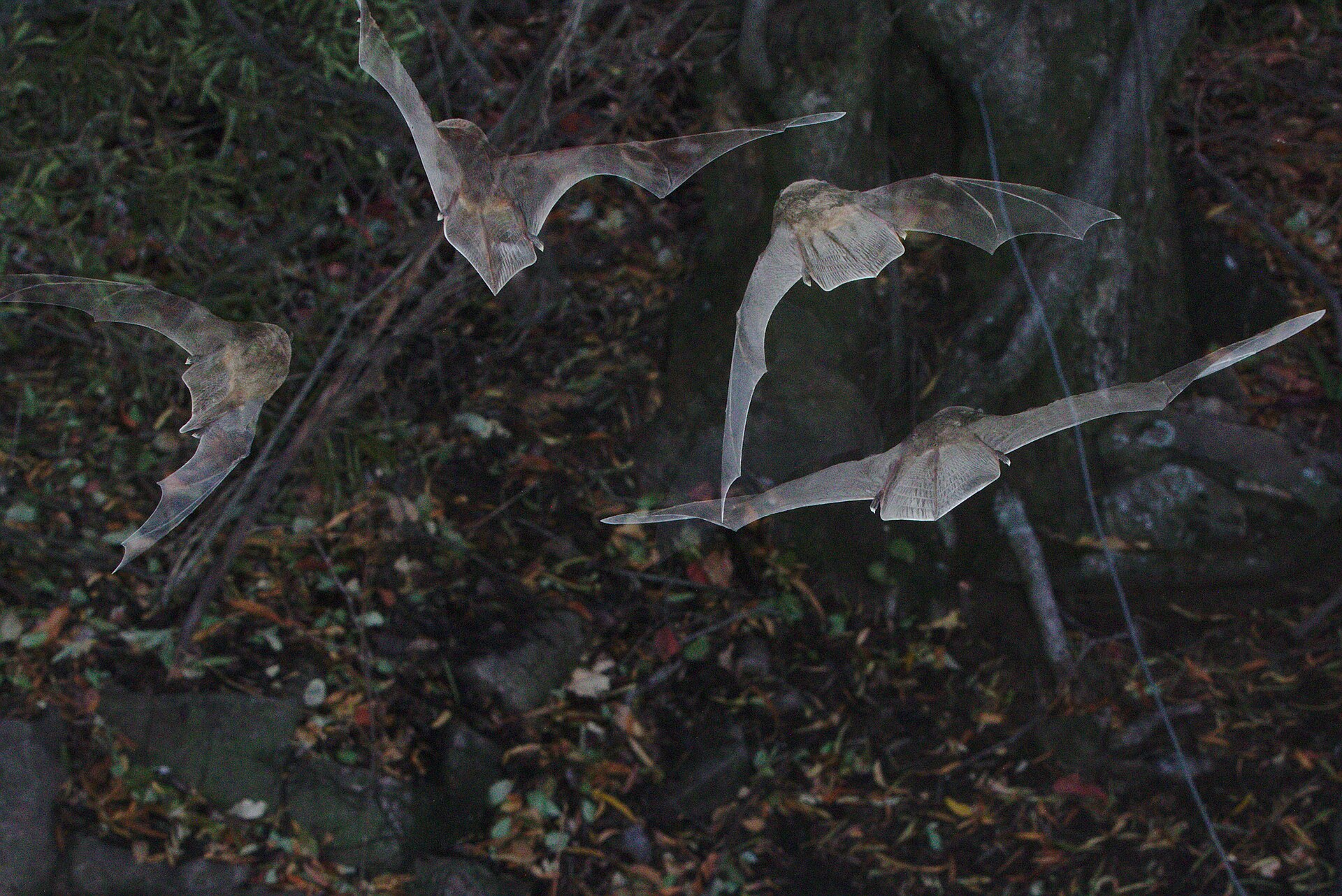
Pretoria — Most bats feed on insects, and they are sensitive to change. They breed slowly, depend on stable roosts and need plenty of insects, which in turn depend on the weather.
A bat researcher writing in The Conversation asked a simple question: what happens when the places with the right future climate are not the places with caves?
The study
With co-author Mark Keith, the researcher studied long-fingered bats (family Miniopteridae), which live across sub-Saharan Africa and depend heavily on caves. Using 551 reliable records of where the bats live, they modelled where conditions would still suit them around 2070, under moderate warming, and compared that with where caves and rocky roosts exist.
What they found
- The area with a suitable climate could shrink by 36% to 64% by 2061–2080, with the best remaining areas in southern Africa, the eastern highlands and Madagascar.
- Only about 5% of areas with suitable caves also kept a suitable climate, and about 2% once vulnerable landscapes were considered.
- Many bats move between several caves through the year, so the land between them, increasingly broken up by roads, towns and farms, matters too.
Why it matters beyond bats
A frog may need a particular wetland; a bird a type of forest. Conservation planning, the authors say, must ask not only where the climate will suit wildlife, but whether animals will have somewhere to live when they get there. Protecting the few places where climate, caves and connections overlap could create vital safe havens.
Source: The Conversation, 21 October 2026.