The Great Green Wall: Africa's plan to restore 100 million hectares by 2030
Adopted by the African Union in 2007, it has grown from a line of trees into a mosaic of productive land, with a long way still to go.
Lire cet article en français →
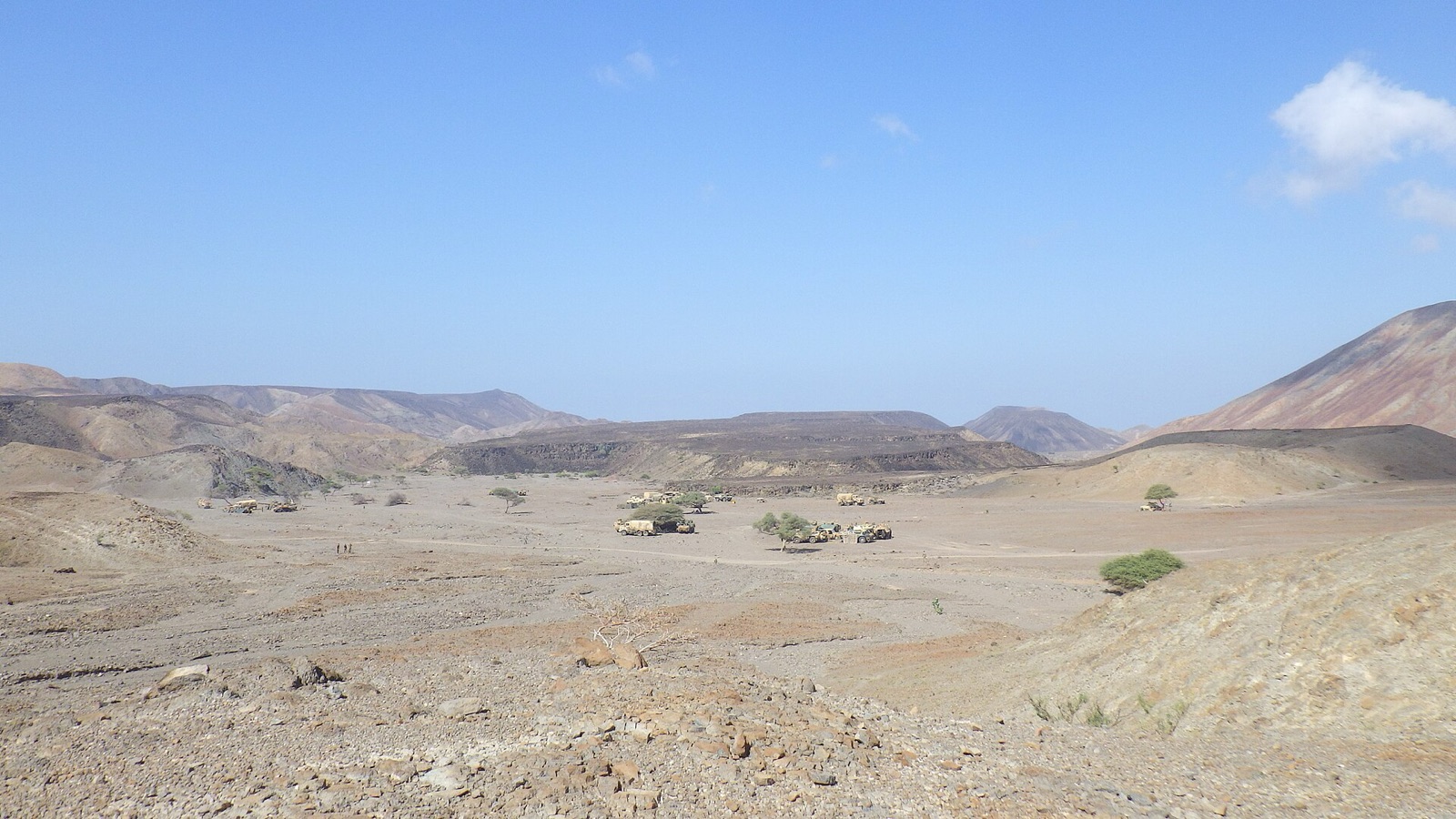
N'Djamena — The idea sounds simple: a band of trees across the Sahel, from Djibouti to Dakar. The Great Green Wall began that way, but it has become something more ambitious.
An African initiative
The idea re-emerged at a summit in N'Djamena in 2002, and the Community of Sahel-Saharan States approved it at Ouagadougou in 2005. The African Union endorsed it in 2007.
The goal is to restore 100 million hectares of degraded land, capture 250 million tonnes of carbon dioxide and create 10 million jobs, all by 2030.
From a wall to a mosaic
The original plan was a strip 15 kilometres wide and 7,775 kilometres long. It has since evolved into a mosaic of green, productive landscapes, using water harvesting, protection of existing greenery and better indigenous land use. The aim is to help communities adapt to climate change and improve their food security.
How far has it come?
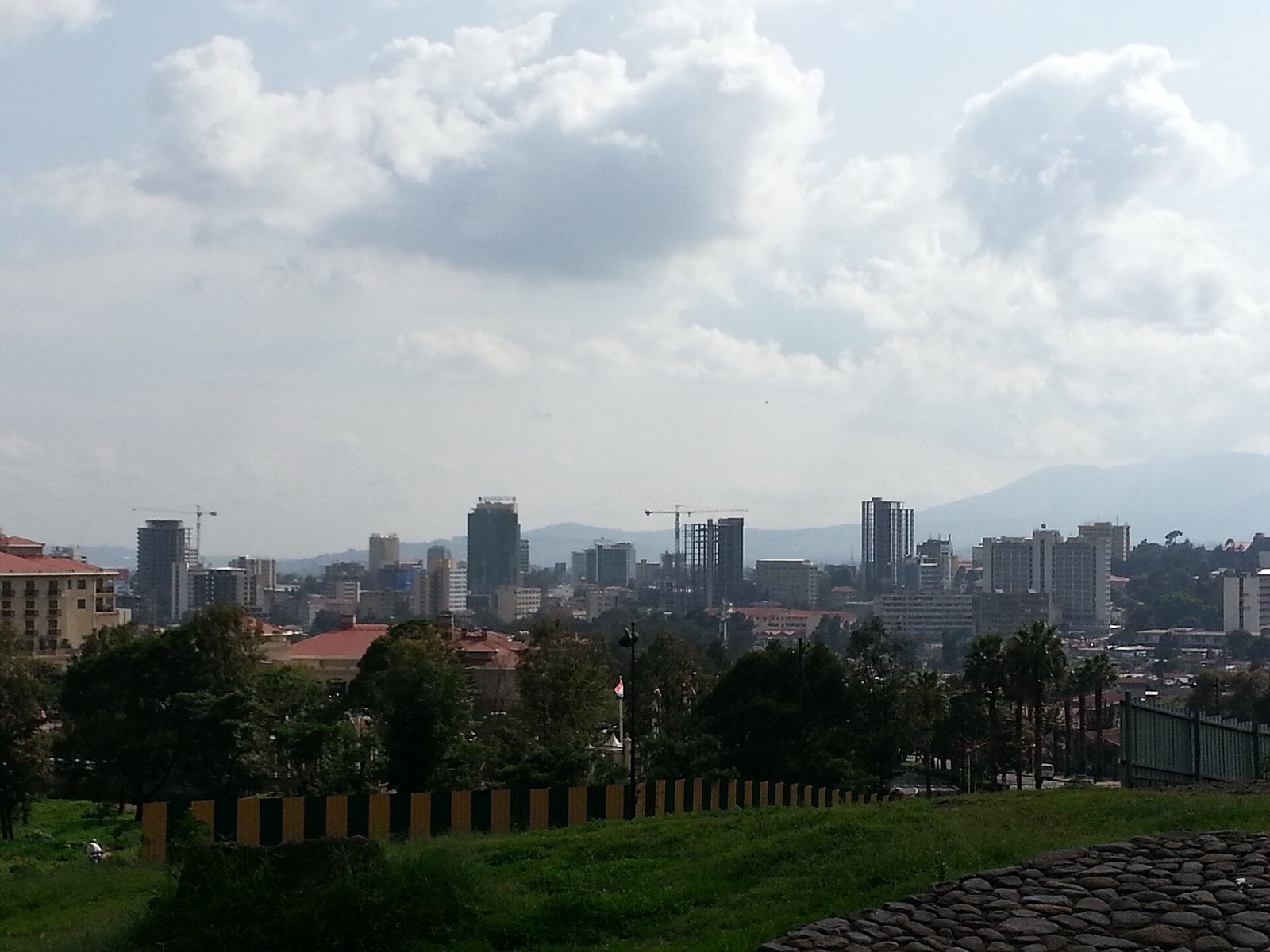
- Figures in March 2019 suggested gains in Nigeria, Senegal and Ethiopia. Ethiopia has had the most success, with 5.5 billion seedlings planted.
- A report commissioned by the UN Convention to Combat Desertification and published in 2020 found that only 4% of the planned area had been covered, or 4 million hectares.
- Partners pledged $14.3 billion in January 2021 at the One Planet Summit. By March 2023, $2.5 billion had been disbursed.
The obstacles
Monitoring has been thin, locusts have damaged projects, and donors tend to favour more stable countries. Critics also object to the project's top-down approach and mainly European funding. The target is ambitious and the deadline close.
Background: Wikipedia).