Julius Nyerere: Mwalimu, the teacher who built a nation and then stepped aside
He led Tanganyika to independence without violence, joined it with Zanzibar and left office in 1985. His economic experiment had a mixed record.
Lire cet article en français →
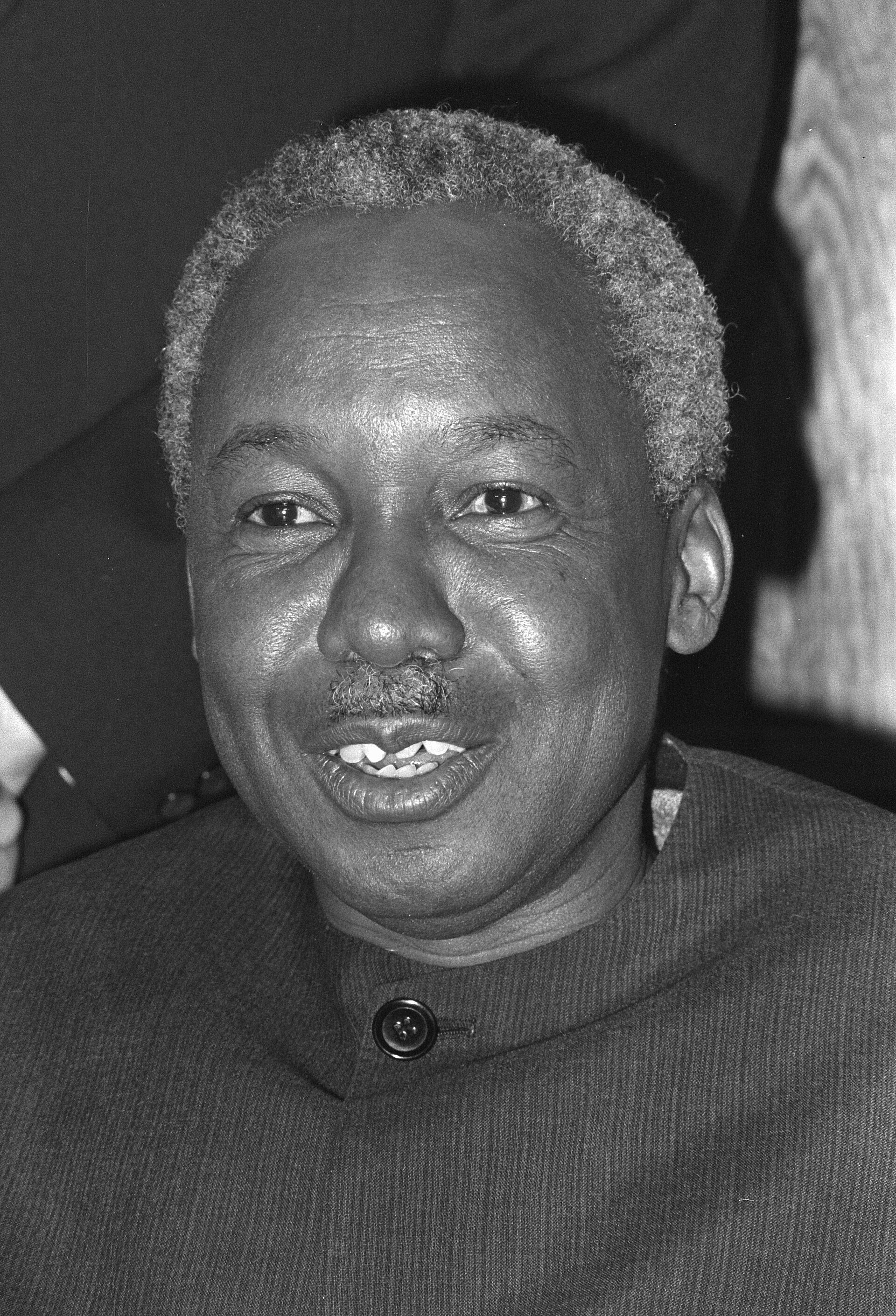
Butiama — Tanzanians call him Mwalimu, the Swahili word for teacher, and the Father of the Nation. Julius Nyerere was both, and he stepped down from the presidency in 1985.
From classroom to independence
Born in 1922 in Butiama, the son of a Zanaki chief, he studied at Makerere College in Uganda and at Edinburgh University. He came home in 1952 to work as a school teacher, and helped form the Tanganyika African National Union in 1954. Influenced by Gandhi, he preached non-violent protest. Negotiations with Britain brought independence in 1961, and he became president of the new republic a year later.
Uniting a country
In 1964, Tanganyika and Zanzibar joined to form Tanzania. He promoted unity between indigenous Africans and the country's Asian and European minorities.
Ujamaa and its record
His 1967 Arusha Declaration set out Ujamaa, his vision of African socialism and self-reliance. Banks and major companies were nationalised. Health centres more than doubled in the 1970s, 80% of children were in school by 1978, and by 1980 Tanzania had almost eliminated illiteracy. But communal farming hampered food production and left some areas dependent on food aid.
Stepping down
He left the presidency in 1985 and later stepped down as party chair, urging a move to multi-party democracy. He spent his last years mediating in regional peace talks and insisting on African-led solutions. He died on 14 October 1999. He is remembered as one of Africa's most respected statesmen.
Background: Wikipedia.