Free under 8,000 CFA francs: West Africa's instant payment switch cuts the cost of everyday transfers
Since 2 November, small transfers between any bank or mobile money wallet in the eight UEMOA countries cost nothing, and cross-border transfers follow in June 2027.
Lire cet article en français →
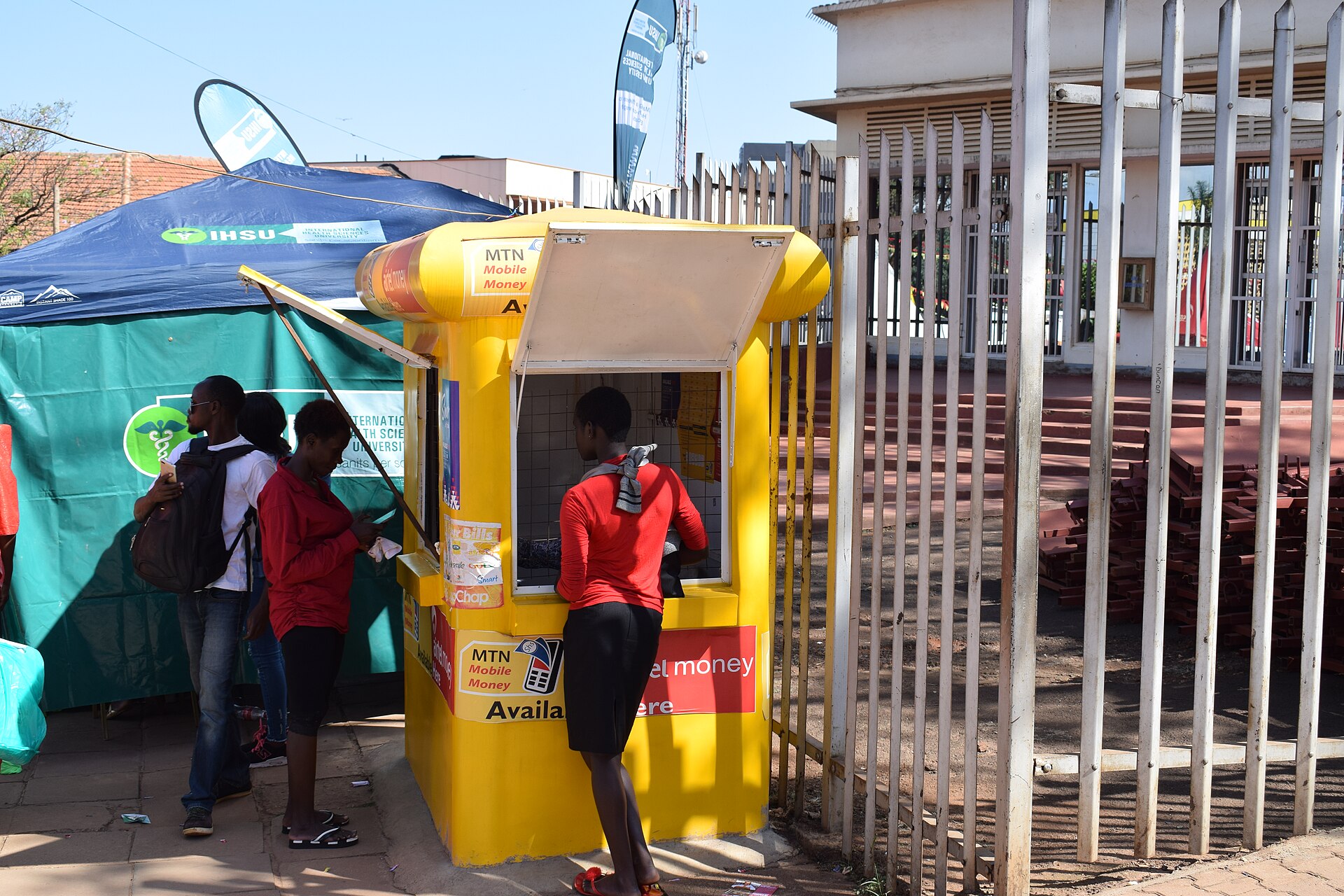
Dakar — Sending a small sum of money to a relative in West Africa has become free. Since 2 November, transfers within a country cost nothing as long as the day's total stays under 8,000 CFA francs, whichever bank or mobile money service the sender and the receiver use.
The change comes through PI-SPI, the interoperable instant payment platform built by the Central Bank of West African States (BCEAO) for the eight countries of the West African Economic and Monetary Union (UEMOA): Benin, Burkina Faso, Côte d'Ivoire, Guinea-Bissau, Mali, Niger, Senegal and Togo.
One switch for every bank and wallet
Until now, each bank, mobile money operator and fintech ran its own network, and moving money between them meant slow, paid-for links. A transfer between two banks in the region could take 48 to 72 hours. PI-SPI acts as a single junction: every licensed institution connects to it, and money moves between them in seconds, 24 hours a day, seven days a week.
Two tools make it work, according to a report by the Senegalese newspaper EnQuête+: an alias, usually the user's phone number, so that nobody needs long bank details to pay someone, and a single QR code that any connected app can read. A Dakar market trader quoted in the report said she used to display one QR code per operator; now she has one.
The BCEAO designed the platform in-house. It was inaugurated in Dakar on 30 September 2025, and banks and e-money issuers had until 30 September 2026 to open the service to the public. By that date 175 institutions were connected, 43 of them in Senegal, and more than 38 million people had access to instant payments. Wave, Senegal's leading mobile money service, joined the list of authorised institutions on the last day of the deadline.
What it costs now
Under the new price list, domestic transfers are free up to 8,000 CFA francs a day per user and per institution, with no limit on the number of transactions. Above that, fees may be charged but are capped at 0.8% of the amount before tax, so a 50,000-franc transfer costs at most 400 francs. Receiving money stays free whatever the amount. The BCEAO estimates that the 8,000-franc threshold covers about 75% of e-money transactions in the zone.
Transfers between different e-money operators must now go through PI-SPI.
Cross-border next
The bigger change for migrant workers comes next year. The BCEAO has announced that from 1 June 2027, transfers between UEMOA countries will be treated like domestic ones. "We are millions in this situation, between Côte d'Ivoire, Senegal, Mali or Burkina," a Senegalese carpenter working in Abidjan told EnQuête+.
Not everyone is satisfied with the rollout. In a statement on 8 November, Senegal's association of money transfer providers (CPCP) welcomed PI-SPI as an advance for financial inclusion but reported operational difficulties and a lack of communication, and asked the BCEAO to convene all the players to review how the platform is being implemented. The group said it does not question the central bank's ambitions.