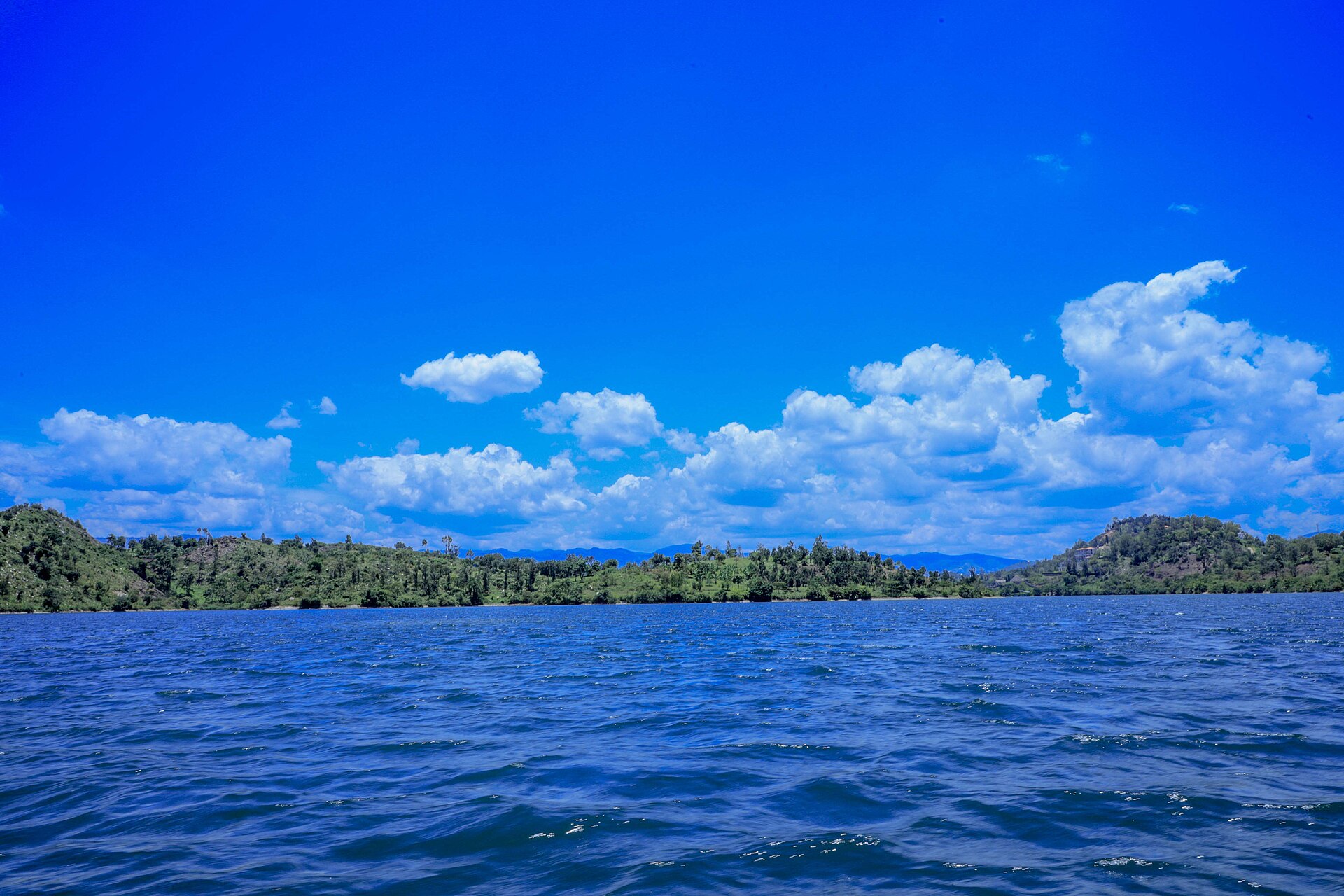
Lake Tana: Ethiopia's largest lake, source of the Blue Nile and home to island monasteries
A UNESCO biosphere reserve since 2015, the highland lake holds medieval monasteries, the tombs of emperors and about 230 species of birds.
Lire cet article en français →
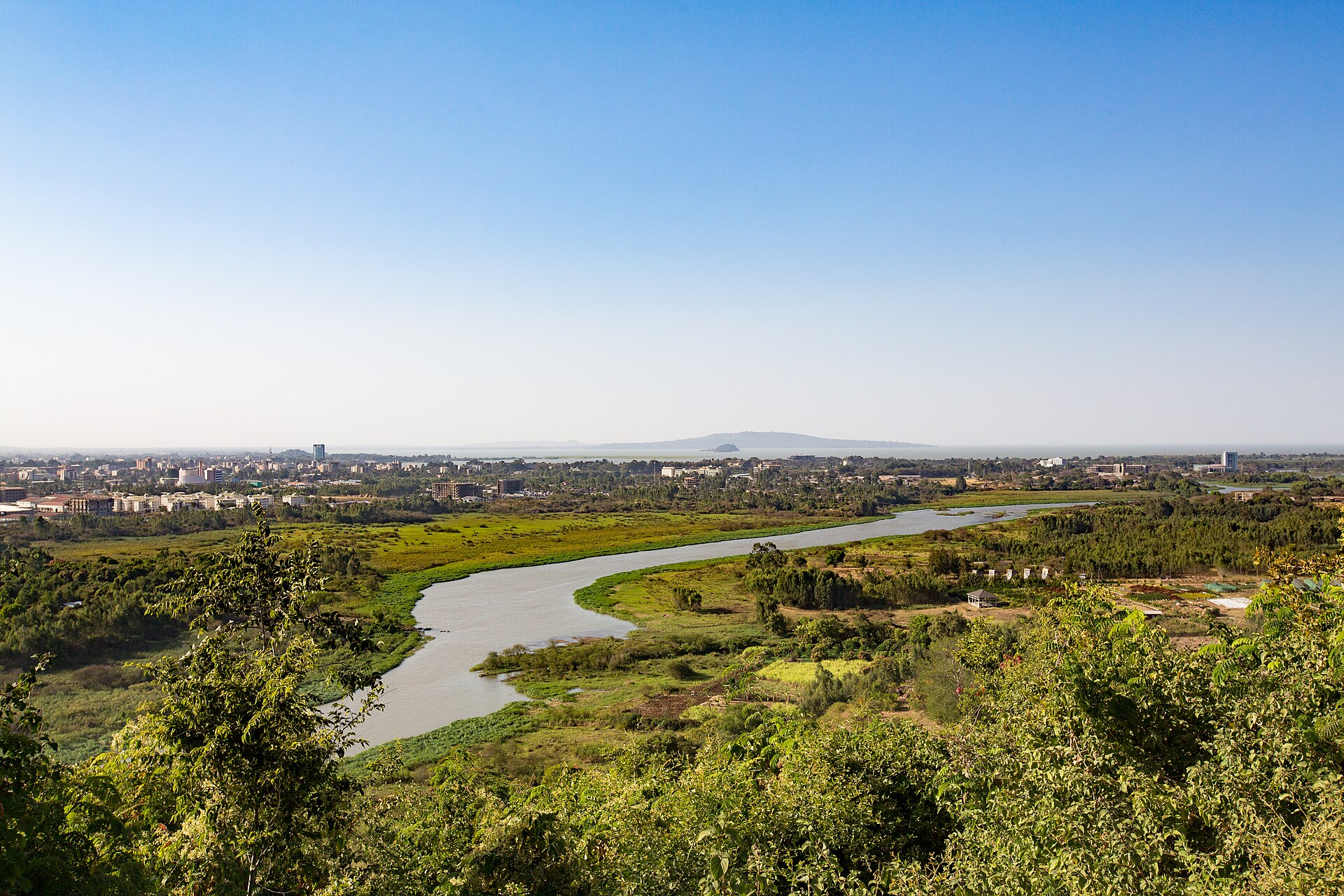
Bahir Dar — Lake Tana, in the Amhara highlands of north-western Ethiopia, is the country's largest lake and a source of the Blue Nile. It is about 84 kilometres long and 66 kilometres wide, lies 1,788 metres above sea level and covers between 3,000 and 3,500 square kilometres depending on the rains. Seven permanent rivers and about 40 seasonal streams feed it.
Volcanic activity formed the lake by blocking the rivers that flowed through the area. Its outflow to the Blue Nile is now regulated by a weir, which controls the water reaching the Blue Nile Falls, known as Tis Abbai, and a hydropower station.
Islands of faith
The number of islands changes with the water level; a 20th-century geographer counted 37, 19 of which have or had churches or monasteries. Many were built in the Middle Ages over older religious sites, and they keep treasures of Ethiopian Christianity. Daga Island holds the tombs of several emperors, including Yekuno Amlak, Zara Yaqob and Fasilides. Tradition says Tana Qirqos once sheltered the Ark of the Covenant before it was taken to Axum. A ferry links Bahir Dar with Gorgora by way of Dek Island and lakeside villages.
Birds and a biosphere
About 230 bird species have been recorded at the lake, including more than 80 wetland birds such as the great white pelican, hamerkop, African spoonbill and African fish eagle. It is also a key resting place for birds migrating from Europe and Asia. In 2015 the Lake Tana region was recognised as a UNESCO Biosphere Reserve.
Background: Wikipedia.