FESPACO: how Ouagadougou became the capital of African cinema
Founded in 1969 with 23 films from five African countries, the festival's Golden Stallion of Yennenga is the continent's top film prize.
Lire cet article en français →
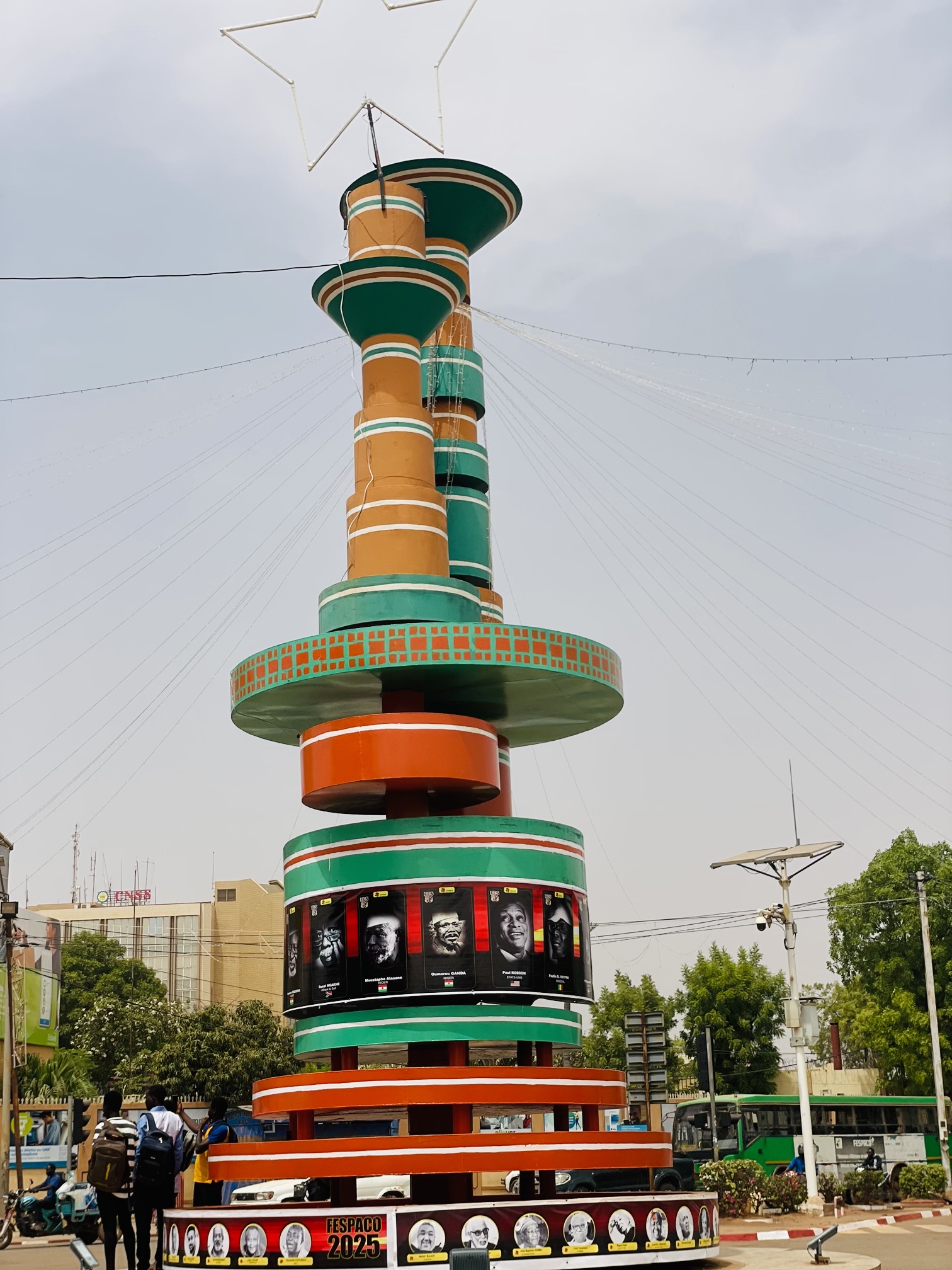
Ouagadougou — Every second year, Ouagadougou, the capital of Burkina Faso, becomes the capital of African cinema. FESPACO, the Panafrican Film and Television Festival of Ouagadougou, accepts for competition only films by African filmmakers, mostly produced in Africa. It is widely regarded as the main event of African film.
From 23 films to a continental festival
The festival was founded in 1969. At the first edition, five African countries took part, Upper Volta (now Burkina Faso), Cameroon, Côte d'Ivoire, Niger and Senegal, and 23 films were shown. By the second edition, nine African countries were in competition. The government made FESPACO a formal institution in January 1972. One of its founders, Alimata Salambéré, later became Burkina Faso's culture minister.
The Golden Stallion
In 1972 the festival created its top award, the Étalon de Yennenga, named after Princess Yennenga, the legendary founder of the Mossi kingdoms. The Golden Stallion goes to the African film that best shows "Africa's realities"; silver and bronze stallions have been awarded since 2005. The first winner was Le Wazzou polygame by Oumarou Ganda of Niger. Since then the prize has gone to directors from Cameroon, Morocco, Mali, Nigeria, Côte d'Ivoire, Algeria, Burkina Faso, Ghana and the Democratic Republic of the Congo, among others.
More than a festival
FESPACO's stated aim is to help African cinema grow "as means of expression, education and awareness-raising". It runs a market where filmmakers, distributors and broadcasters meet and make deals. The festival is held in odd-numbered years, from late February into March, and opens in the national stadium, the Stade du 4-Août.
Background: Wikipedia.