From Waste to Wealth: How Women in Togo Are Transforming Tomatoes into Economic Opportunity
*In southern Togo, a community cooperative is helping farmers tackle post-harvest losses, create economic opportunities for women, and build a more resilient local food system.*
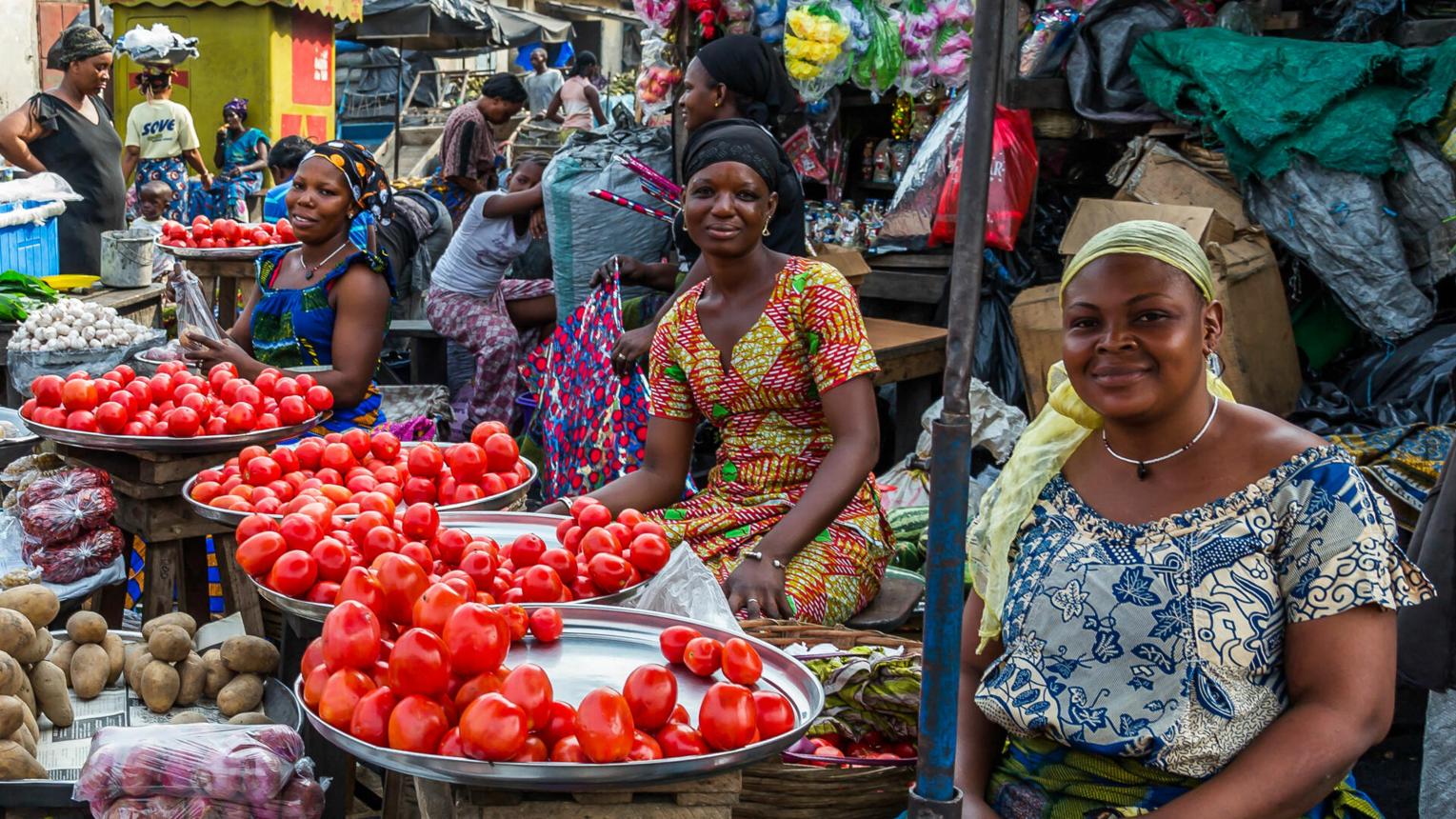
Lom — ATTITOGON, TOGO — For thousands of farmers across Togo, a successful tomato harvest should mean financial security, thriving markets, and food on family tables. Yet for many producers, an abundant harvest can bring an unexpected challenge: watching their hard-earned produce spoil before it reaches consumers.
Tomatoes are among the most widely consumed ingredients in Togolese households, but their highly perishable nature makes them particularly vulnerable to inadequate storage, transportation difficulties, and fluctuating market demand. During peak harvesting periods, farmers may struggle to find buyers, forcing them to sell at reduced prices or risk losing their produce entirely.
In the rural community of Attitogon, in Togo's Maritime Region, a cooperative is working to change that reality.
Through locally produced tomato purée, the cooperative is demonstrating how agricultural processing can help reduce waste, create additional market opportunities, and strengthen rural livelihoods.
At the heart of this initiative are women who are helping turn one of agriculture's persistent challenges into an opportunity for local economic development.
When a Good Harvest Becomes a Financial Burden
For smallholder farmers, growing more food does not automatically translate into greater income.
Tomatoes require careful handling and must be sold or processed quickly after harvesting. When large quantities arrive at markets simultaneously, prices can fall, demand may be insufficient, and producers can find themselves with unsold crops.
Without adequate storage or reliable access to processing facilities, even a productive farming season can result in substantial economic losses.
Climate uncertainty is making these challenges more difficult.
In June 2025, Mongabay Africa reported that tomato farmers in parts of Togo were struggling with delayed rainfall, prolonged dry periods, and water shortages that threatened crop yields and household incomes.
Farmers in areas including Kpalimé and Atakpamé described increasingly unpredictable growing conditions, highlighting the vulnerability of agricultural communities that depend heavily on seasonal rainfall.
These difficulties extend beyond individual farms. Disruptions to agricultural production can affect food availability, market prices, rural employment, and the ability of households to access nutritious produce.
For tomato growers, the challenge is therefore twofold: producing enough food under increasingly uncertain climatic conditions and ensuring that harvested crops reach consumers before they deteriorate.
It is this second challenge that communities such as Attitogon are seeking to address through local processing.
In Attitogon, Women Are Turning Tomatoes into Opportunity
Established in 2012, the Society of Tomato Producers and Processors of Attitogon, commonly identified as SCOOPTA, is a small agricultural cooperative working to add value to locally grown tomatoes.
The cooperative has 26 members, including 18 women, and produces tomato purée packaged in jars for sale.
Its approach is straightforward but economically significant: instead of relying exclusively on the immediate sale of fresh tomatoes, producers can transform part of their harvest into a processed product with a longer potential shelf life.
This creates another avenue for marketing agricultural produce and can help reduce losses during periods of oversupply.
The cooperative's activities also demonstrate the importance of women in local agricultural value chains, not only as producers but as participants in processing, product development, and commercial activity.
With support from the SICHEM/Agro DR centre and its partner, the Mediterranean Africa Solidarity association, the cooperative has benefited from investments designed to improve its processing capacity and operating conditions.
These improvements include a storage shed, upgraded processing equipment such as a grinder and steriliser, new cooking pots, and more efficient cooking stoves designed to reduce pollution.
Members also received training in agroecological farming practices, food hygiene, and cooperative management.
The upgraded equipment was inaugurated in February 2023, while additional sanitation facilities were completed in 2024.
These investments illustrate how relatively targeted support for rural enterprises can strengthen the infrastructure needed to turn agricultural production into marketable goods.
For cooperatives working with limited resources, access to equipment, technical knowledge, and suitable facilities can make a meaningful difference.
Beyond the Harvest: Why Local Processing Matters
The importance of tomato processing extends beyond preserving a single agricultural product.
When properly managed and supported by appropriate food safety practices, processing can extend the usable life of harvested tomatoes, reduce post-harvest losses, and create additional opportunities for income generation.
For farming communities, this means that a portion of the harvest that might otherwise remain unsold can potentially generate economic value.
For women involved in processing, it provides another opportunity to participate in economic activity beyond traditional farm production.
For consumers, local processing can contribute to greater product availability beyond the immediate harvesting season.
However, these benefits depend on more than the ability to produce tomato purée.
Processing enterprises require reliable equipment, hygienic production environments, affordable energy, appropriate packaging, and access to distribution networks.
They also need customers willing and able to purchase locally processed products.
Without these conditions, processing alone cannot guarantee profitability or eliminate agricultural losses.
The Attitogon initiative therefore highlights an important development lesson: supporting local agriculture requires investment across the entire value chain, from production and preservation to marketing and consumption.
The Missing Link: Connecting Rural Producers to Urban Markets
Producing a high-quality agricultural product is only part of the economic equation.
For cooperatives such as SCOOPTA, reaching customers consistently is just as important as harvesting or processing tomatoes.
This creates an opportunity to strengthen connections between rural producers and urban markets, particularly in commercial centres such as Lomé.
Improved distribution networks, stronger relationships with retailers, and consumer awareness of locally processed goods could help agricultural cooperatives reach more buyers.
Effective packaging, clear product information, and compliance with food safety requirements are also essential to building customer confidence.
These efforts matter because local agricultural processing can contribute to broader economic activity.
When products are grown, processed, packaged, and distributed locally, more stages of economic activity can take place within domestic markets.
That can create opportunities for farmers, processors, transporters, suppliers, and small businesses.
However, achieving these outcomes requires coordinated efforts among producers, private businesses, development organisations, and public institutions.
The long-term success of initiatives like SCOOPTA will depend not only on their production capabilities but also on whether they can secure reliable markets and operate on financially sustainable terms.
Women at the Centre of Agricultural Transformation
The experience of Attitogon also raises a broader question about women's role in Africa's agricultural development.
Women are central to agricultural production, food processing, and household food security across many African communities. Yet barriers such as limited access to financing, equipment, training, and established markets can restrict their economic opportunities.
Cooperatives can help address some of these barriers by bringing producers together, sharing resources, and creating opportunities for collective investment.
In Attitogon, the participation of 18 women in a 26-member cooperative illustrates how organised agricultural enterprises can provide a platform for women's involvement in local value addition.
The broader potential is significant.
When women-led and women-inclusive agricultural enterprises gain access to training, equipment, financing, and viable markets, they can become important contributors to rural economic development.
The goal should not simply be to increase production. It should be to ensure that those involved in producing and processing food have a greater opportunity to benefit economically from their work.
Building Food Security in a Changing Climate
Togo's tomato sector reflects a challenge facing agricultural communities across Africa: food security requires more than increasing agricultural output.
It also depends on the ability to protect harvests, manage climate risks, reduce food losses, and ensure products reach consumers at affordable prices.
Climate adaptation measures such as improved irrigation, better water management, resilient farming practices, and access to agricultural information are increasingly important.
Equally essential are investments in storage, local processing, transportation, and market development.
These measures address different stages of the food system, but they share a common objective: helping communities make better use of the food they produce.
The Attitogon cooperative offers one practical example of how community-driven action can contribute to this objective.
Its experience does not provide a complete solution to the structural challenges facing smallholder farmers. Questions of financing, production costs, water availability, and market access remain important.
Nevertheless, it demonstrates the potential of collective organisation and targeted investments to address some of the weaknesses that leave agricultural communities vulnerable to waste and financial losses.
From Farm to Table, a Different Future Is Possible
In Attitogon, the story of tomatoes is about more than farming.
It is about economic opportunity, women's participation, community organisation, and the importance of making agricultural production more sustainable.
A tomato that spoils before reaching the market represents more than wasted food. It also represents lost labour, water, investment, and potential income.
By transforming locally grown tomatoes into processed products, the cooperative is working to preserve some of that value and create an additional pathway between farmers and consumers.
The larger lesson extends beyond Togo.
Across Africa, strengthening food security will require greater attention not only to what farmers produce but also to what happens after the harvest.
Supporting local processors, expanding market access, investing in appropriate infrastructure, and improving climate resilience are all part of building stronger agricultural economies.
For the women of Attitogon, the message is simple: a harvest should be an opportunity for prosperity, not a race against waste.
And sometimes, meaningful economic transformation begins not with producing more, but with finding a better way to use what communities already grow.