No dead sardines for a month off South Africa as scientists test for a virus
The acute die-off appears to be over. A precautionary catch limit runs to 30 October, and a survey from early November will give the first independent count of the stock.
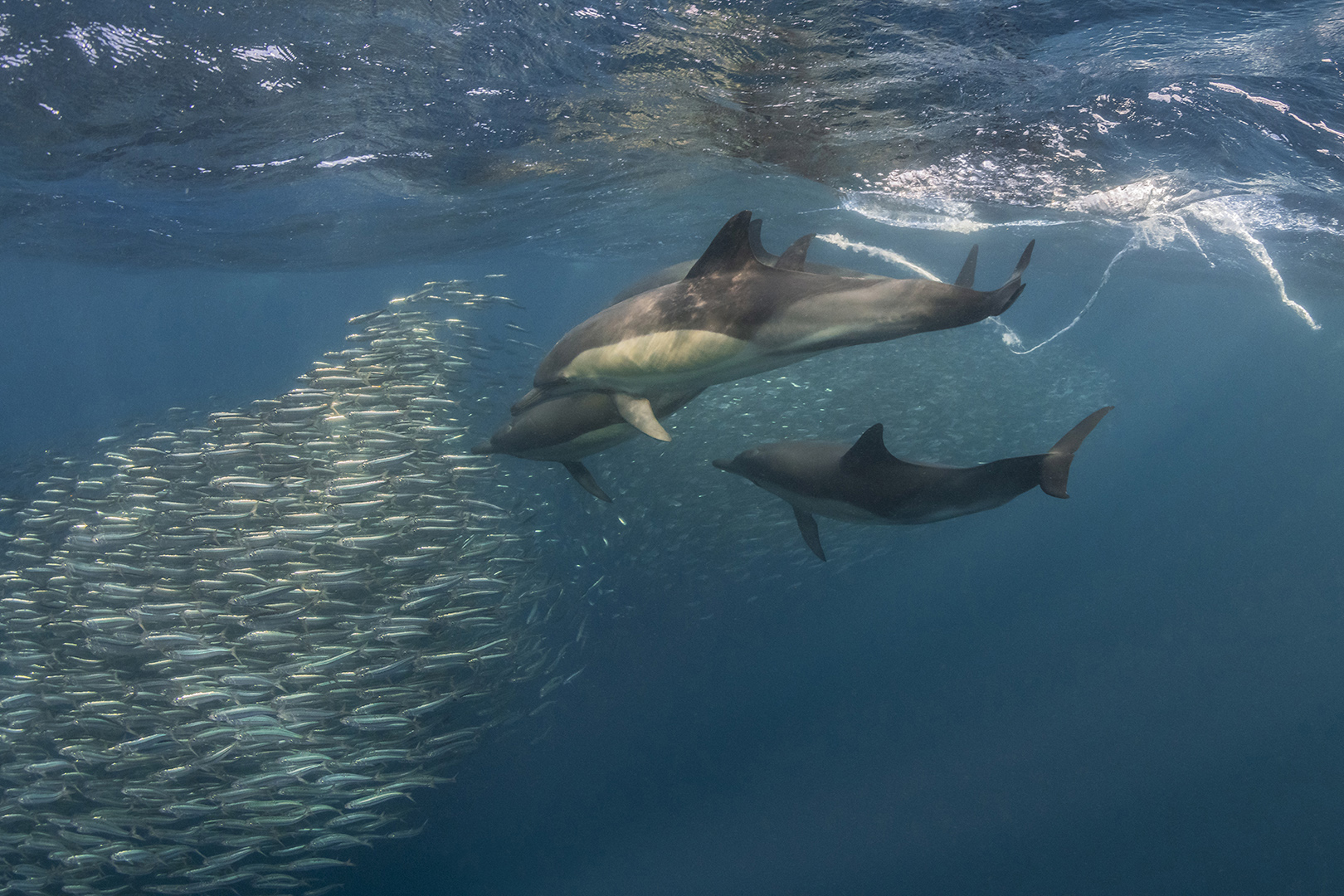
PANM — South Africa's environment department has received no reports of dead sardines since 10 September, a sign that the acute phase of this year's mass die-off has ended, the Department of Forestry, Fisheries and the Environment (DFFE) said.
What happens now
- Catch limit: from 3 to 30 October, each sardine right holder may land no more than 33% of its remaining 2026 quota, east or west of Cape Agulhas, while scientists gather more information. A working group will review this on 27 October.
- Testing: laboratory results for pilchard herpesvirus were expected within days. Samples from before, during and after the die-off will show when the virus was present; the department stresses that finding viral material alone does not prove active disease.
- Counting the stock: a hydroacoustic survey from Hondeklip Bay to Port St Johns is planned from early November. It will give the first independent estimate of sardine numbers and distribution since the die-off.
The department is also watching for effects on predators that depend on sardines and on the wider marine ecosystem.
Is it safe?
The virus affects fish and is not known to infect people, and sardine products sold through regulated channels remain safe. The public should still not collect or eat dead or dying sardines from beaches or the shoreline, feed them to animals or use them as bait, and should report any new sightings.
Source: Department of Forestry, Fisheries and the Environment, 11 October 2026.