An Australian crayfish is invading the Zambezi
Redclaw crayfish are eating river plants and hurting catches on Zambia's Barotse floodplains. Communities are fighting back by catching and selling them.
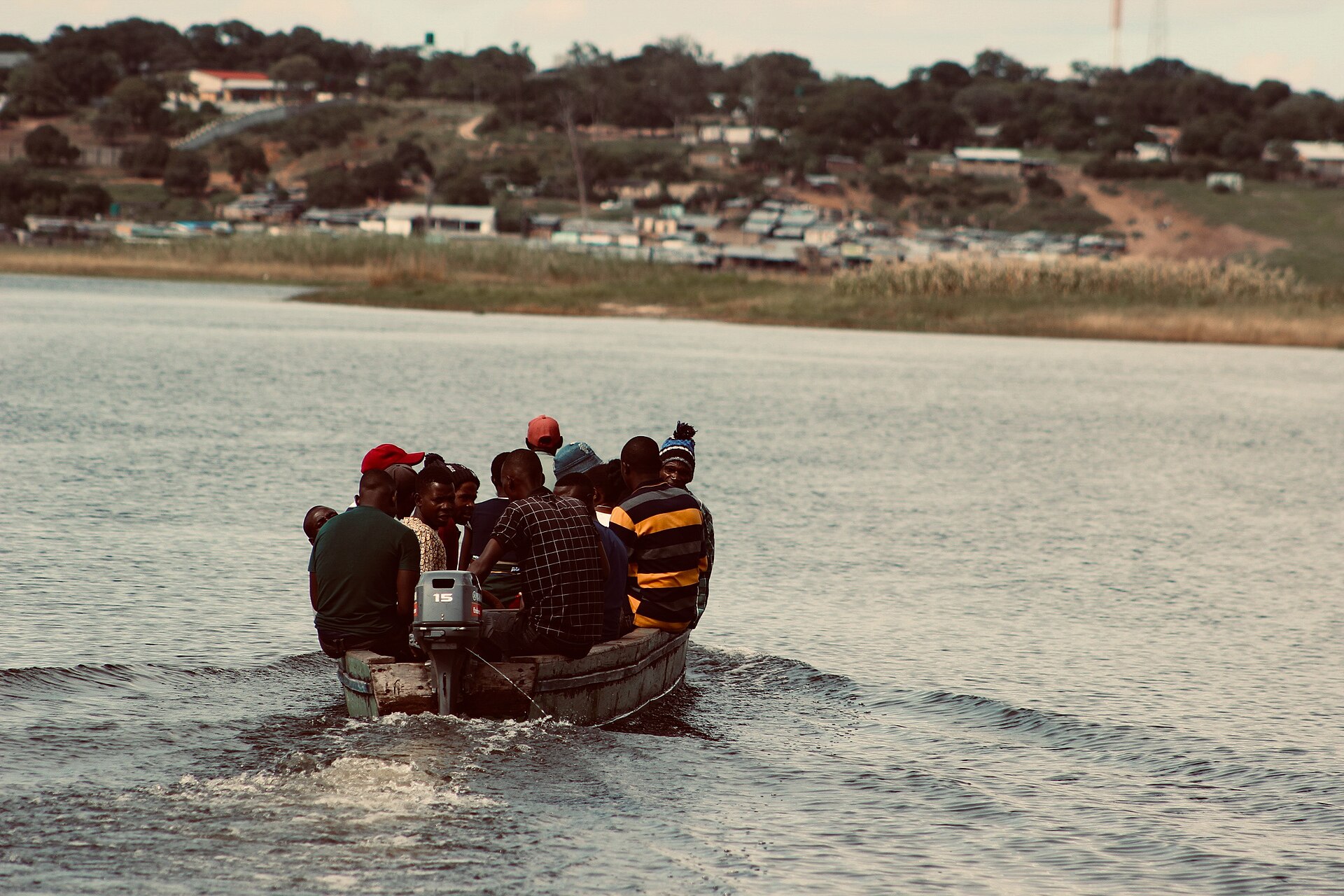
PANM — Fishers on the upper Zambezi in Zambia have a new rival: the redclaw crayfish (Cherax quadricarinatus), a freshwater crayfish from northern Australia and Papua New Guinea. Rachael King, head of research at the South Australian Museum, explains in The Conversation how it got there and what can be done.
How it arrived
Redclaws were exported to fish farms around the world, including in Africa, in the 1980s and 1990s, and also spread through the aquarium trade. Exactly how they reached the Zambezi is unknown, but sightings began in the 1990s, and numbers then surged.
Where they are
- Zambia: centred on the upper Zambezi and the Barotse floodplains, where fishers report falling catches.
- Botswana: close to the Okavango Delta.
- South Africa: already in Kruger National Park.
They spread about 6km a year, and up to 49km in a flood season.
Why they are so hard to stop
- They survive low-oxygen water, burrow deep and can go dormant for months or years.
- A female can produce several broods a year of up to 1,000 eggs each.
- They eat almost anything: plants, fish, invertebrates and each other.
- They are damaging river plants, native fish and riverbanks.
Fighting back
Once breeding in a big river, they are almost impossible to wipe out. But in southern Africa, community harvesting is helping: local people are trained to catch redclaws and sell them as food, which keeps numbers down and earns income. Barriers to stop escapes from farms, as used in Europe, can help prevent new invasions.
Source: The Conversation, 14 October 2026.