The AfCFTA explained: one market for 1.3 billion Africans
The African Continental Free Trade Area aims to remove 90% of tariffs between African countries. What it is, how far it has come, and what it could mean.
Accra — Africans trade more with the rest of the world than with each other. The African Continental Free Trade Area (AfCFTA) is designed to change that, by turning the continent into a single market of about 1.3 billion people.
How it came about
- 21 March 2018: 44 African Union member states sign the agreement in Kigali.
- 30 May 2019: it enters into force after the 22nd ratification.
- 1 January 2021: trading under the agreement officially begins.
- May 2026: 54 countries have signed, and 49 have ratified.
The AfCFTA Secretariat is based in Accra, Ghana.
What it does
- Tariffs: members will remove tariffs on about 90% of goods, over 5, 10 or 13 years depending on the country and product; each can exclude a small share.
- Services are covered too.
- Further protocols cover investment, intellectual property and competition, and digital trade.
- A Protocol on Free Movement of Persons, signed by 30 states, aims for visa-free travel and an African passport.
- The Pan-African Payment and Settlement System (PAPSS), launched in 2022, lets traders pay each other in local currencies.
What it could mean
A World Bank study in 2020 projected that the AfCFTA could lift 30 million people out of extreme poverty, raise incomes for nearly 70 million, and generate $450 billion in income by 2035.
What it takes
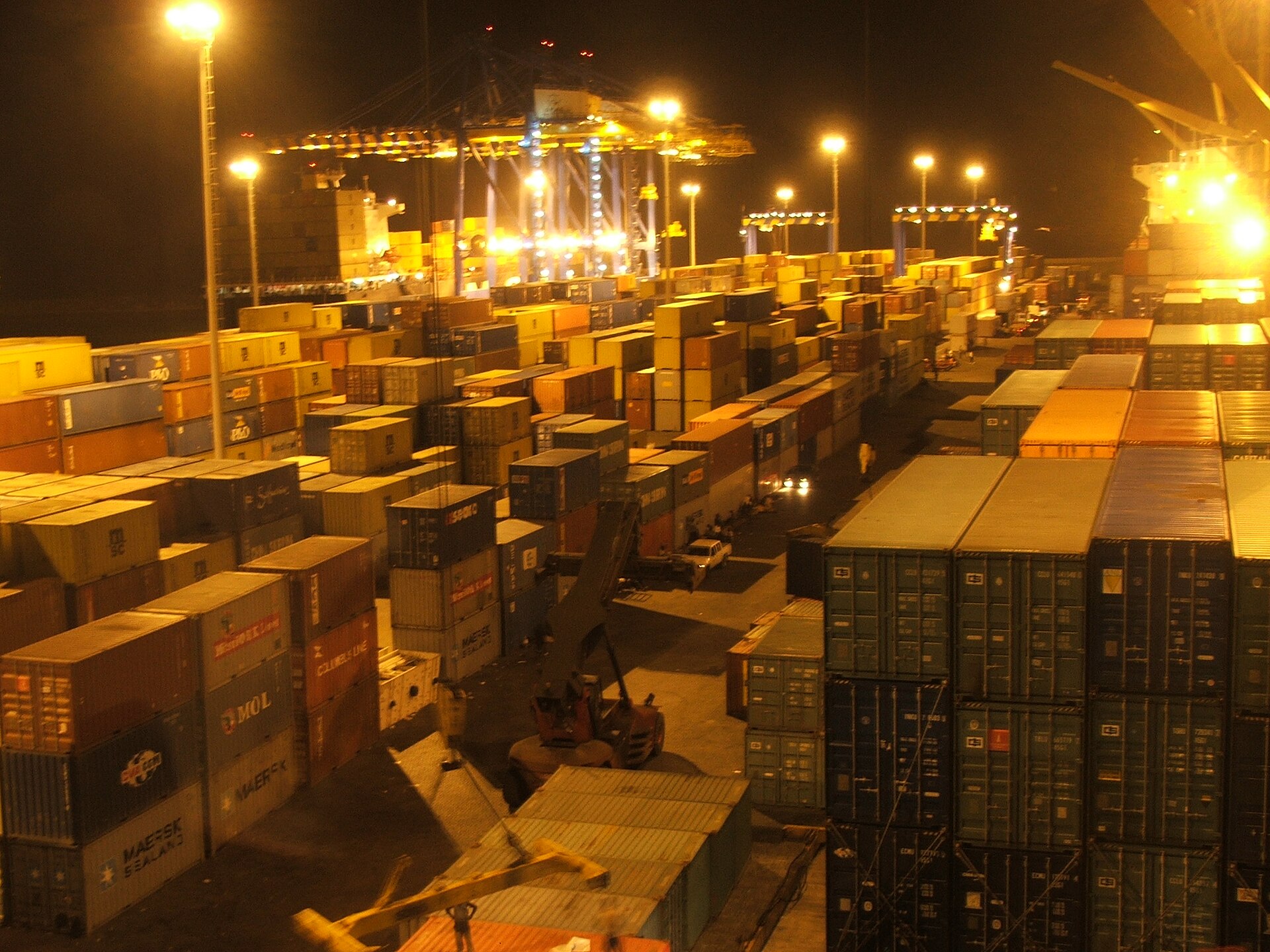
Tariffs on paper are only a start. Traders need good roads and ports, simpler border procedures and affordable payments, and that is where much of the work now lies.
Background: Wikipedia.