Before COP31, researchers ask West African climate plans to count losses that have no price tag
A review of ten years of policies in Burkina Faso, Ghana, Nigeria, Senegal and Sierra Leone finds roads and crops well covered, culture and mental health less so.
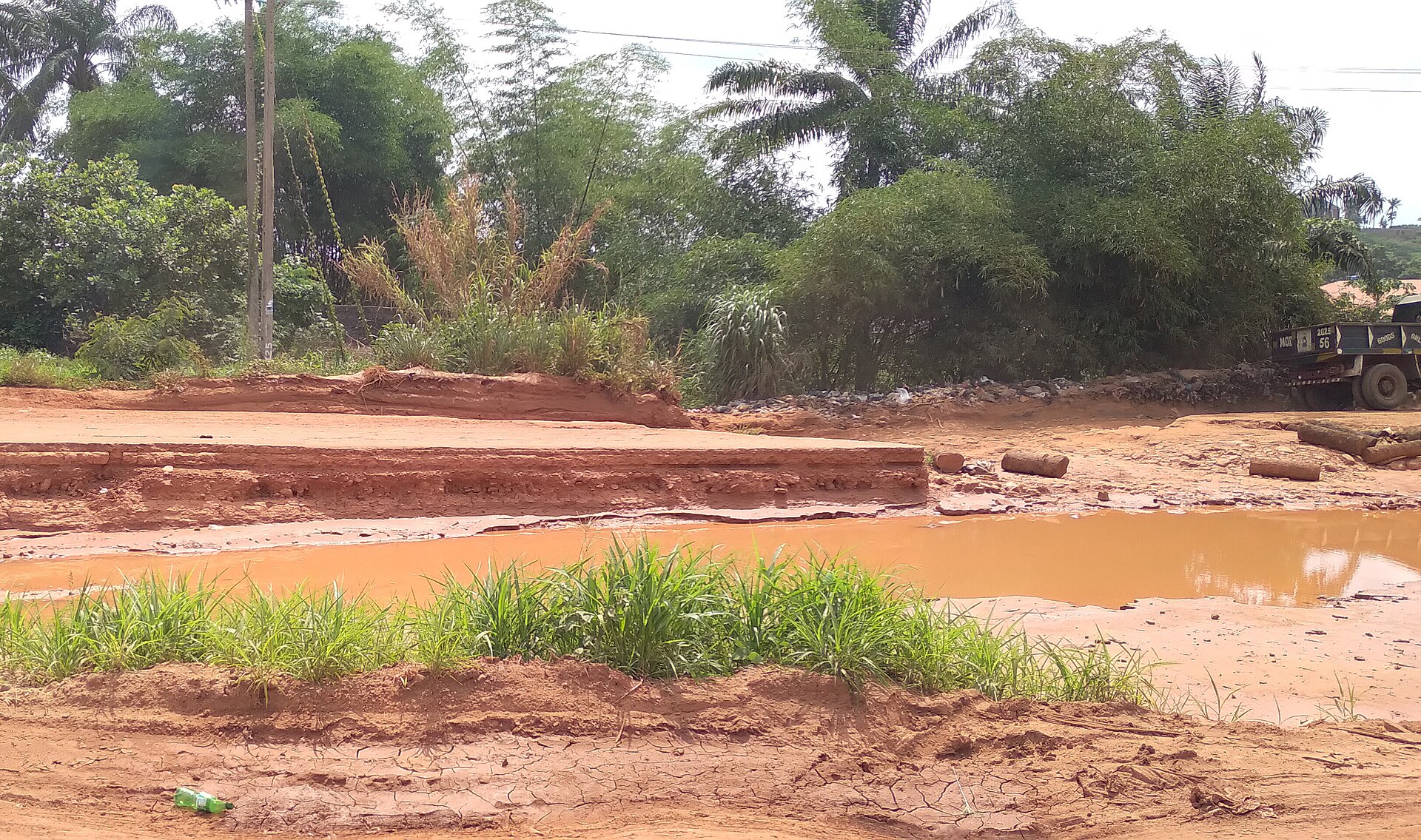
Accra — When a flood destroys a road, officials can price the repair. When drought ruins a harvest, lost income can be calculated. But how does a country record the loss of a sacred site, or the distress of a family forced from its home?
Olasunkanmi Habeeb Okunola of United Nations University and Susan S. Ekoh of the German Institute of Development and Sustainability reviewed ten years of climate policies, adaptation plans, laws and disaster frameworks in Burkina Faso, Ghana, Nigeria, Senegal and Sierra Leone. The question matters ahead of COP31 in Türkiye, where African countries want commitments to the international fund for loss and damage turned into practical support.
What the plans cover
All five countries recognise damage to infrastructure and livelihoods. But they handle loss and damage in different ways, which can leave it unclear which agency assesses a disaster and coordinates help. Displacement, cultural loss and psychological harm get less attention.
That matters, the authors write, because official assessments shape recovery budgets and requests for international aid. A relocated fishing community may get new houses but lose its fishing grounds, family networks and burial sites. A rebuilt school does not give back months of lost learning.
Communities as partners
The researchers recommend combining cost estimates with input from local authorities, women's groups, traditional leaders, young people and people with disabilities, ideally before disaster strikes. Communities can map culturally important places in advance. Governments, they add, should set out clearly who assesses losses, who coordinates help and how it is paid for.
Source: The Conversation, 8 November 2026.