More CO₂ is making Kruger's grasses grow faster
Grass growth in Kruger National Park rose 28% between 1989 and 2021. Researchers say it matters for grazing and fire, but won't offset climate change.
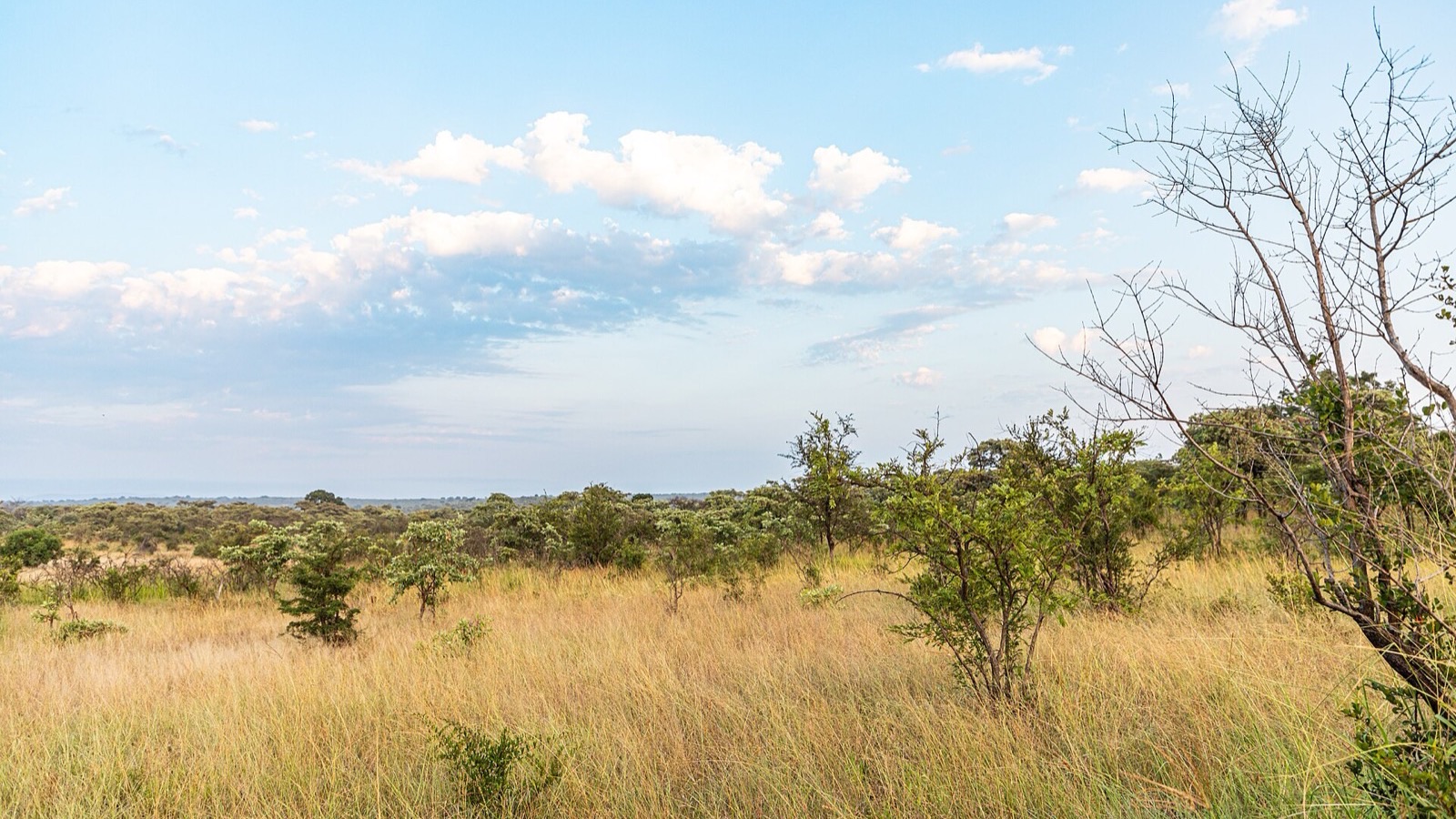
PANM — Savannas cover about half of Africa, and the grasses that carpet them are changing. In Kruger National Park, grass production rose 28% between 1989 and 2021, while carbon dioxide in the air rose about 18%. Kimberley Simpson of the University of Sheffield explains the findings of an international team in The Conversation.
How they found it
- Yearly grass growth at 533 sites in Kruger over 33 years, measured in the first year after a fire.
- A review of 70 experiments on wild savanna grasses at normal and higher CO₂.
- A computer model projecting growth to the end of the century.
What they found
- The rise held after accounting for rainfall, fire and other factors.
- Higher CO₂ lets these grasses, such as red grass (Themeda triandra), lose less water while still growing, so the gains are largest where water is scarce, and the biggest increases were in Kruger's driest areas.
- Taller, more productive grass species are becoming more common.
- The effect should continue this century, though hotter, drier conditions will weaken it.
What it means
- Grazing: more grass for wildlife and livestock, though it may be less nutritious.
- Fire: more grass means more fuel.
- Carbon: the extra grass is eaten, rots or burns, so it cannot be counted on to offset global warming.
The advice
Land managers should stop predicting savanna change from rain and temperature alone, track grass growth, species and fuel over the long term, and review fire and grazing plans. Kruger's long-term records, kept since 1989, are what made this discovery possible.
Source: The Conversation, 1 October 2026.