Cape Town study finds genes that may flag children at risk of severe COVID
Researchers studied 333 South African children and found 82 genes that could help tell severe COVID from mild, and shared patterns with RSV and TB.
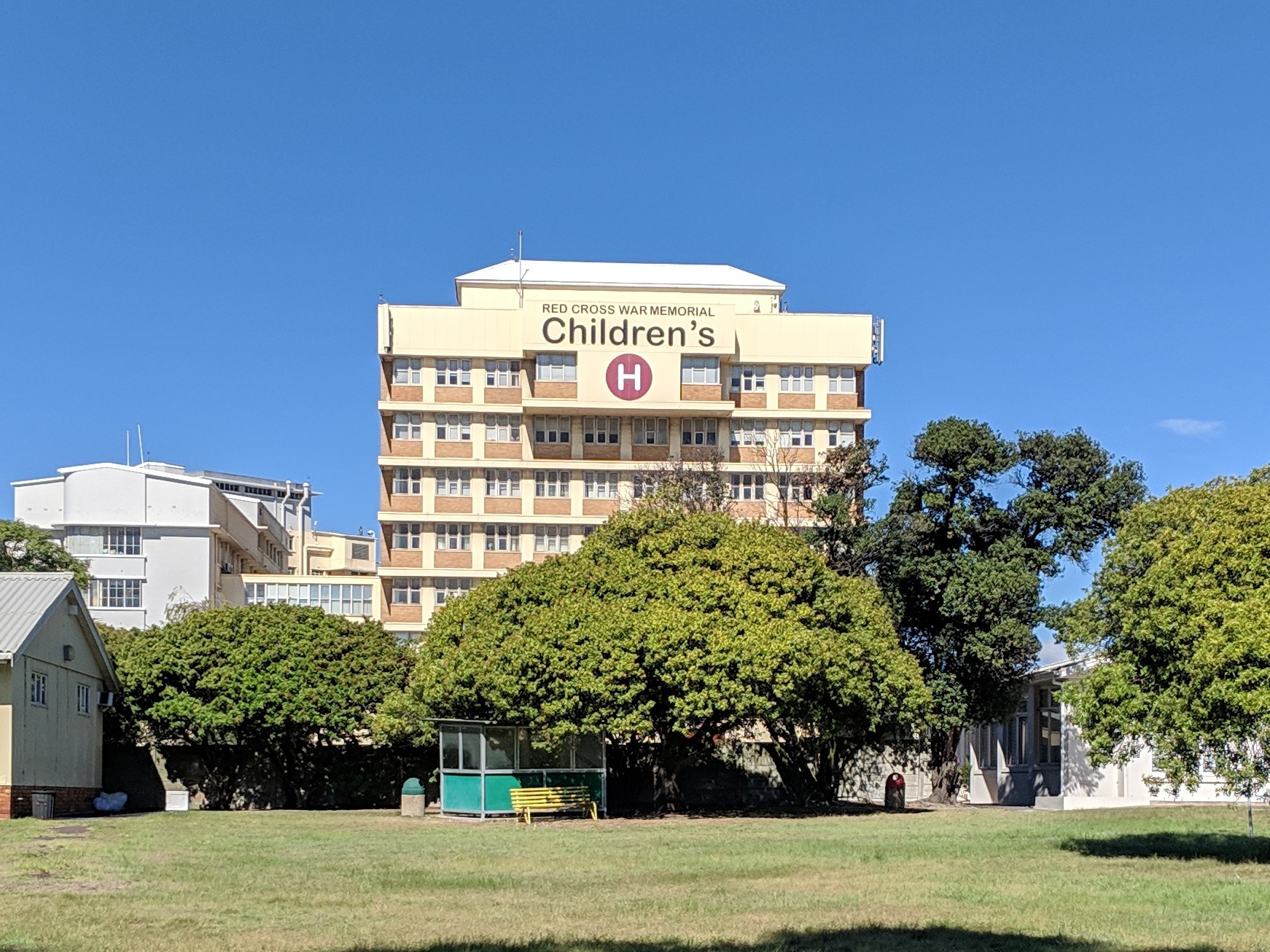
Cape Town — Why do a few children become seriously ill with COVID while most barely notice it? A team led by Professor Heather Zar of the University of Cape Town, with Negusse Tadesse Kitaba and John W Holloway of the University of Southampton, looked for answers in children's blood, they write in The Conversation.
The study
They studied 333 South African children:
- 127 healthy children
- 71 with mild or no-symptom COVID
- 41 in hospital with severe COVID
- 47 in hospital with RSV
- 47 with pulmonary tuberculosis
Using blood gene expression profiling, which measures the activity of thousands of genes at once, they compared how each group's immune system responded.
What they found
- More than 5,000 genes behaved differently in children with severe respiratory infections.
- Severe illness came with stronger neutrophil responses, active interferon-gamma signalling, more macrophages and fewer T cells. None of this showed up in mild COVID.
- Seven immune cell types behaved similarly across COVID, RSV and TB, pointing to shared defences.
- 82 genes could help tell severe COVID from mild.
What comes next
It is a discovery-stage finding, not yet a test. The genes need checking in larger groups. If they hold up, a blood signature could one day help doctors spot the children at highest risk early, and choose treatment sooner.
Source: The Conversation, 12 October 2026.