Salonga: Africa's largest rainforest reserve, home of the bonobo, is off UNESCO's danger list
At 36,000 square kilometres in the heart of the Congo Basin, the DR Congo park is bigger than Belgium and reachable mostly by river.
Lire cet article en français →
Kinshasa — Salonga National Park, in the Democratic Republic of the Congo, is Africa's largest tropical rainforest reserve. It covers about 36,000 square kilometres of the central Congo Basin, roughly halfway between Kinshasa and Kisangani, across the provinces of Mai-Ndombe, Équateur, Kasaï and Sankuru.
Out of danger
Founded in 1956 as Tshuapa National Park and given its current borders in 1970, Salonga was inscribed on the UNESCO World Heritage List in 1984. It was placed on the list of sites in danger in 1999. After its state of conservation improved, it was removed from that list in 2021. Since 2015 the park has been co-managed by the Congolese Institute for Nature Conservation (ICCN) and WWF.
The bonobo's home
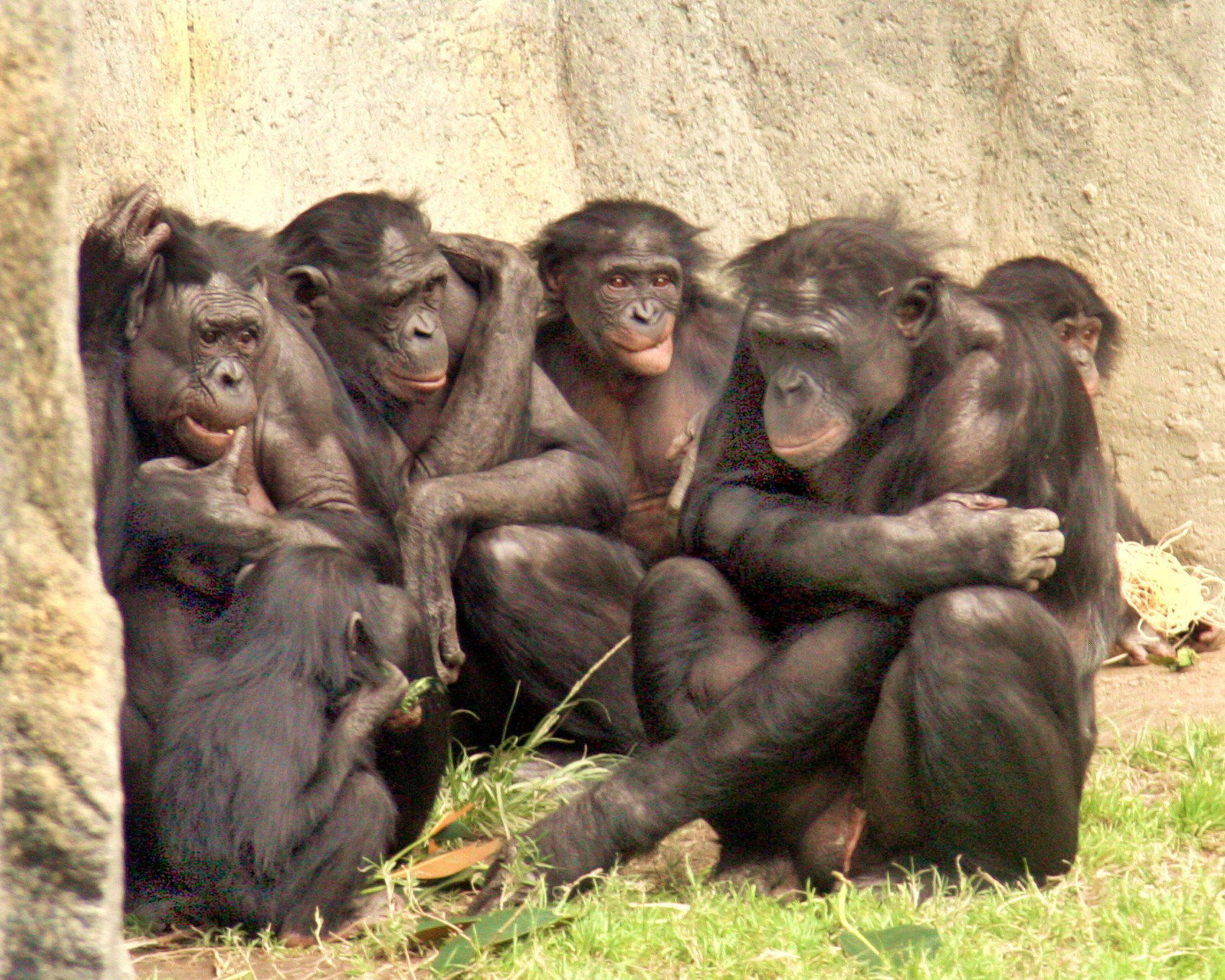
Salonga is one of the main refuges of the bonobo, an ape found only in the DR Congo. The park also shelters forest elephants, bongo antelopes, leopards, black-crested mangabeys, Thollon's red colobus, giant pangolins and the Congo clawless otter. Of 735 plant species identified in its south-west, 85% rely on animals to spread their seeds.
People as guardians
The Iyaelima people still live inside the park, and their villages serve as guard posts. Bonobo numbers are highest around those villages, a sign, researchers say, that the Iyaelima do not harm the apes and play a strong role in protecting them.
Wild and remote
There are no roads. Most of the park can be reached only by river, along the Lokoro, Lula and Salonga, and parts of it have never been systematically explored.
Background: Wikipedia.