Maps show where a forgotten African bean will grow
Researchers simulated 49 seasons across South Africa and Eswatini to find where bambara groundnut gives a reliable harvest. October planting came out best.
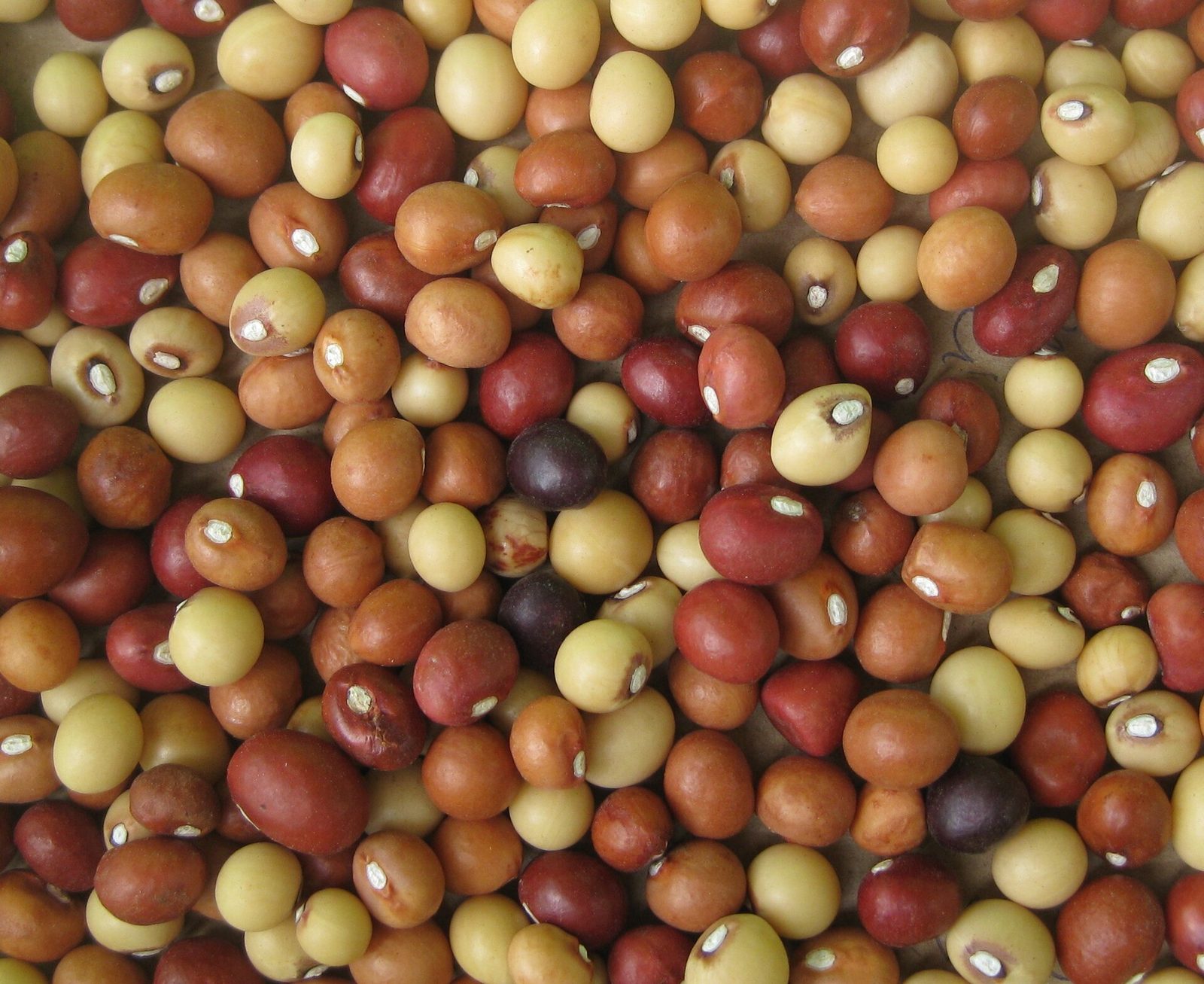
Durban — Scientists have produced detailed maps of where bambara groundnut, a drought-tolerant African legume, can be grown reliably in South Africa and Eswatini, two of the researchers write in The Conversation Africa. They say it is the first study to map suitable land for the crop in this way.
Bambara groundnut is related to beans and peas. It is not a true nut, but its seeds form in pods underground, as peanuts do. It can be boiled, roasted or ground into flour, and it was widely grown across Africa in the 1800s and early 1900s. Today the cereals most eaten in Africa are wheat, maize and rice.
How the maps were made
Richard Kunz of the University of KwaZulu-Natal and Tafadzwanashe Mabhaudhi of the London School of Hygiene and Tropical Medicine, working with a master's student, Simon Lake, used AquaCrop, a crop model developed by the UN's Food and Agriculture Organization.
They simulated the crop's growth over 49 growing seasons in 5,838 zones covering both countries, testing four different planting months and using daily weather across the six-month season.
What they found
- October was generally the best month to plant the crop without irrigation.
- Planting later meant fewer crops survived, because the risk of frost rises towards the end of the season.
- Taking frost into account cut the area suitable for October planting by 28%.
- Land already used for mining, towns, commercial forestry, sugarcane and fruit trees removed a further 20%.
Their central point is that the places where a crop can grow and the places where it can be counted on for a useful harvest are not the same. Long-term climate averages can mislead, they argue, because a plant responds to the weather day by day.
Why now
The authors say southern Africa faces a higher risk of drought this year because of a strong El Niño. Growing a wider range of crops, among them amaranth, cowpea, sorghum, sweet potato and taro, would make small farms less exposed to a single bad season and add protein, iron, zinc and calcium to diets.
South Africa formally declared indigenous crops to be agricultural products in July 2025, which could open markets for small growers. But the researchers say maps alone will not be enough. Farmers also need seed, buyers, equipment, processing and advice, and extension officers need suitability maps for 13 indigenous crops.
This report is based on an article by Richard Kunz and Tafadzwanashe Mabhaudhi in The Conversation Africa, via AllAfrica.