Africa's cities get a shared plan to cut disaster risk
Meeting in Lomé, the African Union's urban resilience programme agreed guidelines on water and housing and its next step: a report on how disaster-proof the continent's infrastructure is.
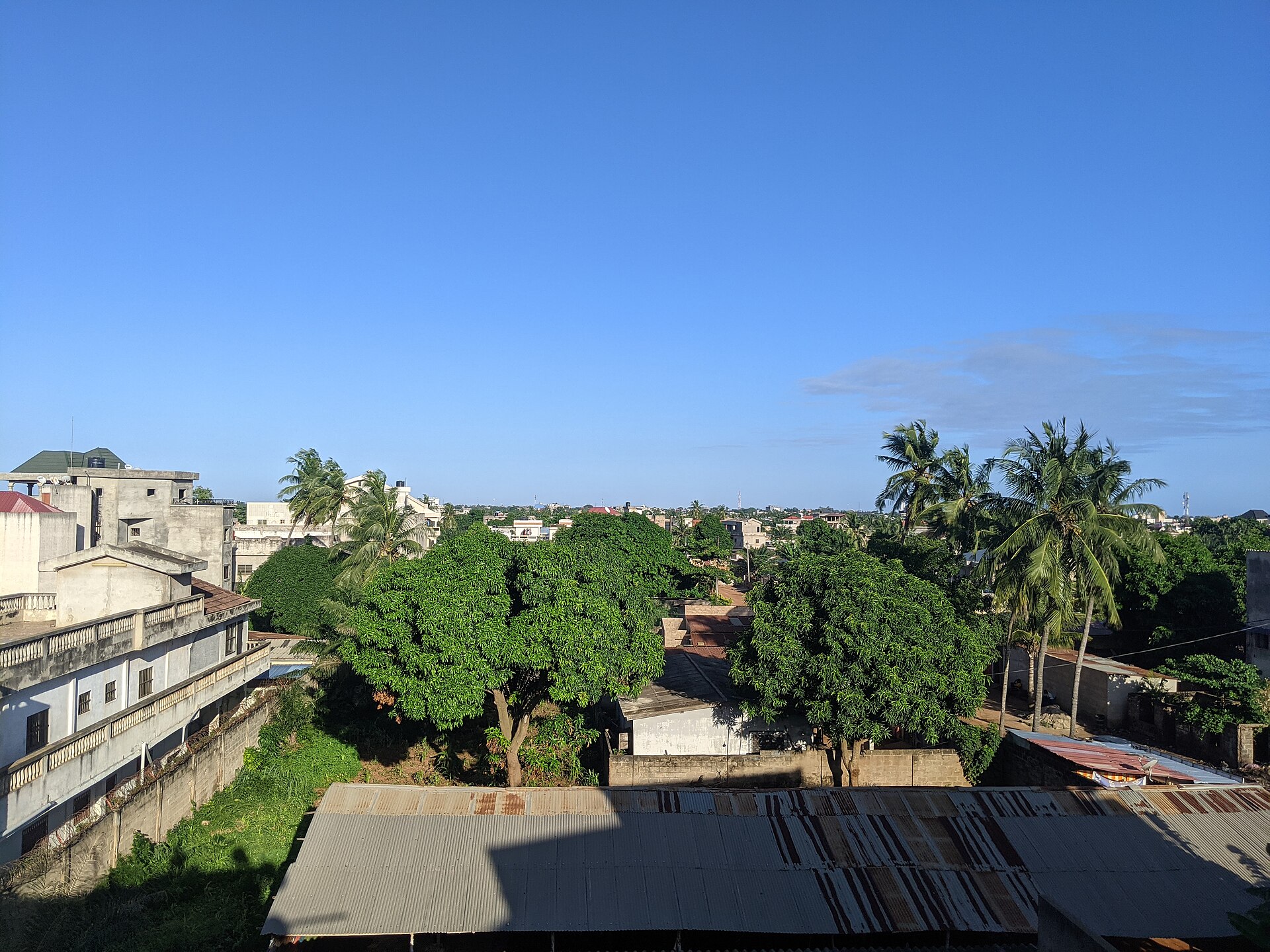
Lomé — As floods, storms and other disasters hit Africa's growing cities harder, the African Union's Africa Urban Resilience Programme (AURP) is moving into its next phase, the AU said after its technical working group and steering committee met in Lomé, Togo, from 22 to 24 September.
What the programme has done since 2025
- Published Urban Resilience in Africa: A Continental Review and a policy brief
- Drawn up sectoral guidelines on water and housing, now validated
- Prepared an implementation plan and a monitoring, evaluation and learning framework
"These achievements reinforce our shared commitment to reduce disaster risks in cities," said Dr Jihane El Gaouzi, head of the AU Commission's sustainable environment division.
What comes next
The programme will produce a State of Disaster Resilient Infrastructure Report, then send its guidelines, implementation plan and monitoring framework to member states and regional economic communities.
The programme was developed with support from Sweden and UNDP's Sahel Resilience Project, which, Sweden says, has gathered data on infrastructure and services from nearly 500 local government areas in eight Sahel countries to guide planning and investment. Germany supports it through GIZ's Resilience Initiative Africa, and the EU helped at the start.
Source: African Union Commission, 12 October 2026.