Ghana plans to take cancer care beyond Accra and Kumasi
An international review backed by WHO, the IAEA and the cancer research agency is shaping a new five-year cancer plan, as screening moves into community clinics in 150 districts.
Accra — More than 27,000 people in Ghana are diagnosed with cancer each year, and the number could rise by nearly 65% by 2040. Ghana is using a detailed national review to reshape how the disease is prevented, found and treated, the World Health Organization's Africa office said.
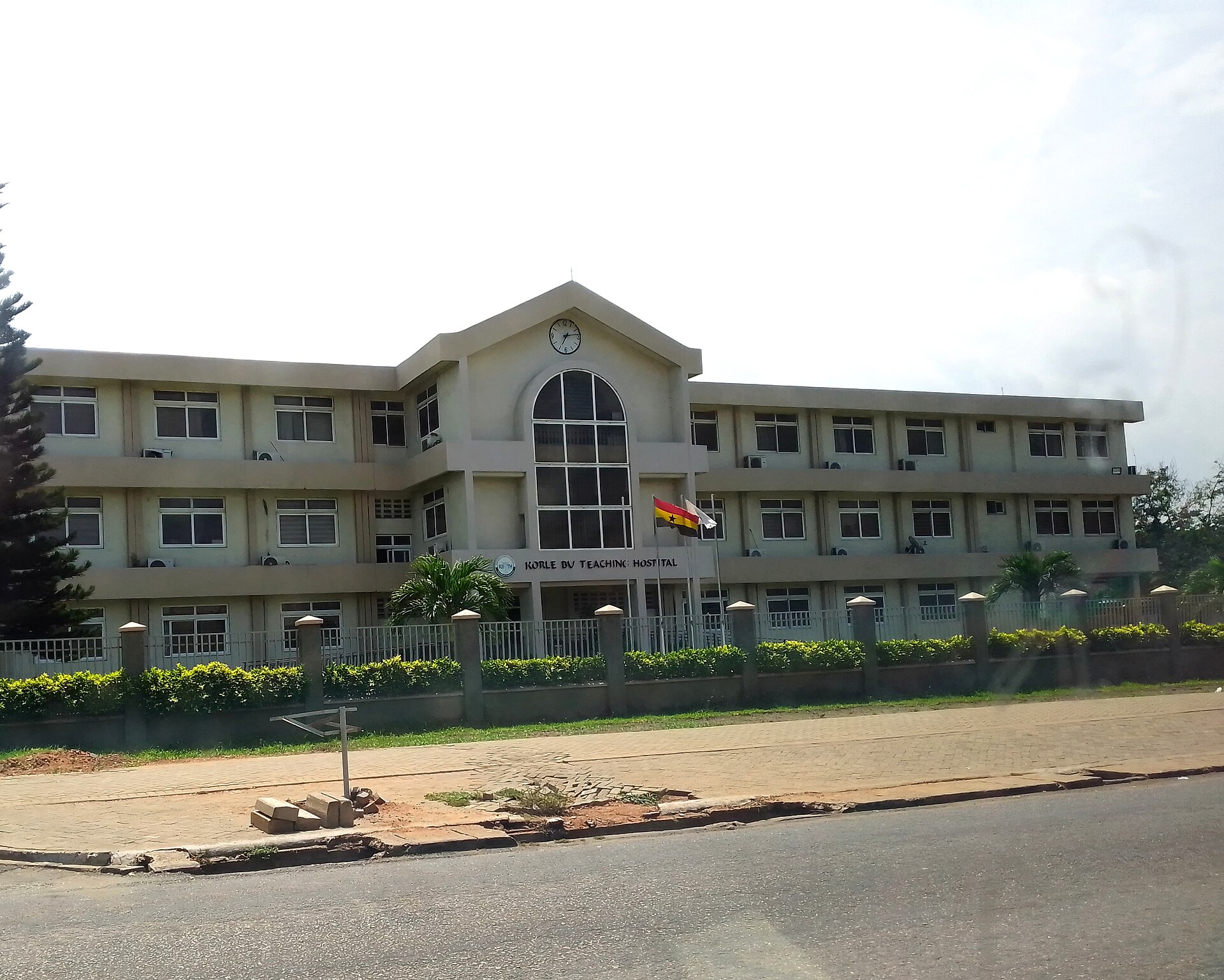
At the Ministry of Health's request, the imPACT Review, run jointly by WHO, the International Atomic Energy Agency and the International Agency for Research on Cancer, examined Ghana's cancer services nearly two decades after the first one in 2005. About 50 Ghanaian experts carried out a self-assessment, international teams visited Korle Bu, Komfo Anokye, Tamale and Cape Coast teaching hospitals and the Sweden Ghana Medical Centre, and more than 70 people validated the findings.
What it found
- Progress: specialist oncology training for doctors and nurses, and a role as a focus country in WHO's global initiatives on childhood cancer and access to children's cancer medicines.
- Gaps: radiotherapy and advanced diagnosis are still concentrated in Accra and Kumasi, making care hard to reach for people elsewhere.
What happens next
- The findings are informing a new, costed five-year National Cancer Control Plan, replacing the plan that expired in 2016, with a monitoring framework, a cancer control unit in the Ghana Health Service and a stronger cancer notification system.
- Under the Free Primary Health Care programme, now rolling out in 150 underserved districts, breast examinations, prostate referrals and cervical cancer screening are being added at community health compounds.
The aim, WHO says, is that where a person lives should not decide whether they can get good cancer care.
Source: World Health Organization Regional Office for Africa, 12 October 2026.