Lagos promises to triple its power supply by March
The state says it will go from under 1,000MW to more than 3,000MW, using smart meters, private plants and its new powers to regulate electricity.
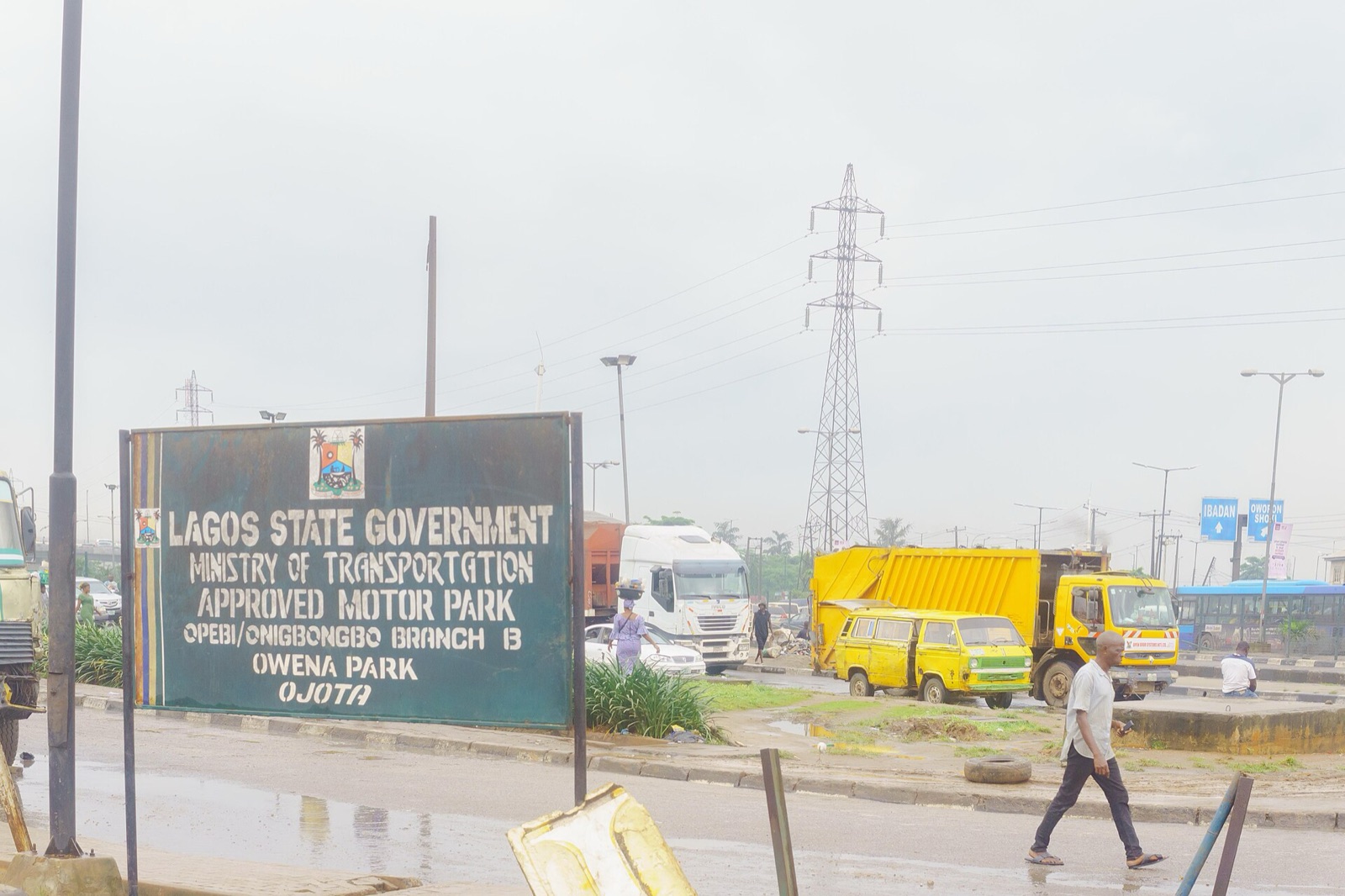
Lagos — Lagos State says it will raise its electricity supply from less than 1,000 megawatts to more than 3,000 by March 2027, Premium Times reports.
The target was set out on Saturday at an energy conference at Lagos Business School, where the governor, Babajide Sanwo-Olu, was represented by his deputy, Obafemi Hamzat.
It would mean adding about 2,000 megawatts in under six months.
Where the power would come from
The state lists the national grid, independent power projects, power barges, energy traders and generation embedded in local networks.
It says the target depends on better generation, transmission and distribution, a reliable supply of gas to power plants and many more electricity meters.
The technology
The plan leans on digital systems: smart metering, remote monitoring and control of the network, and what the state calls a Lagos Electricity Intelligence Platform to track supply and hold operators to account. Substations and distribution lines are to be upgraded.
Why Lagos can do this now
Until recently electricity was regulated from Abuja. In December 2024 the national regulator handed oversight of electricity within Lagos to a state commission, under the Electricity Act of 2023. That commission now licenses operators.
Solar so far
About 42,000 of 50,000 streetlights marked for conversion to solar power have been done. Solar systems have been installed in 175 public schools, with 100 more under way.
The governor called on investors, banks and energy companies to back the plan.
This report is based on reporting by Premium Times.