"Enough is enough": the Nigerian firm turning cocoa beans into chocolate at home
Johnvents can process 48,000 tonnes of cocoa a year, works with about 40,000 farmers and wants to reach 150,000 by 2030. Its founder says Africa must stop exporting raw commodities.
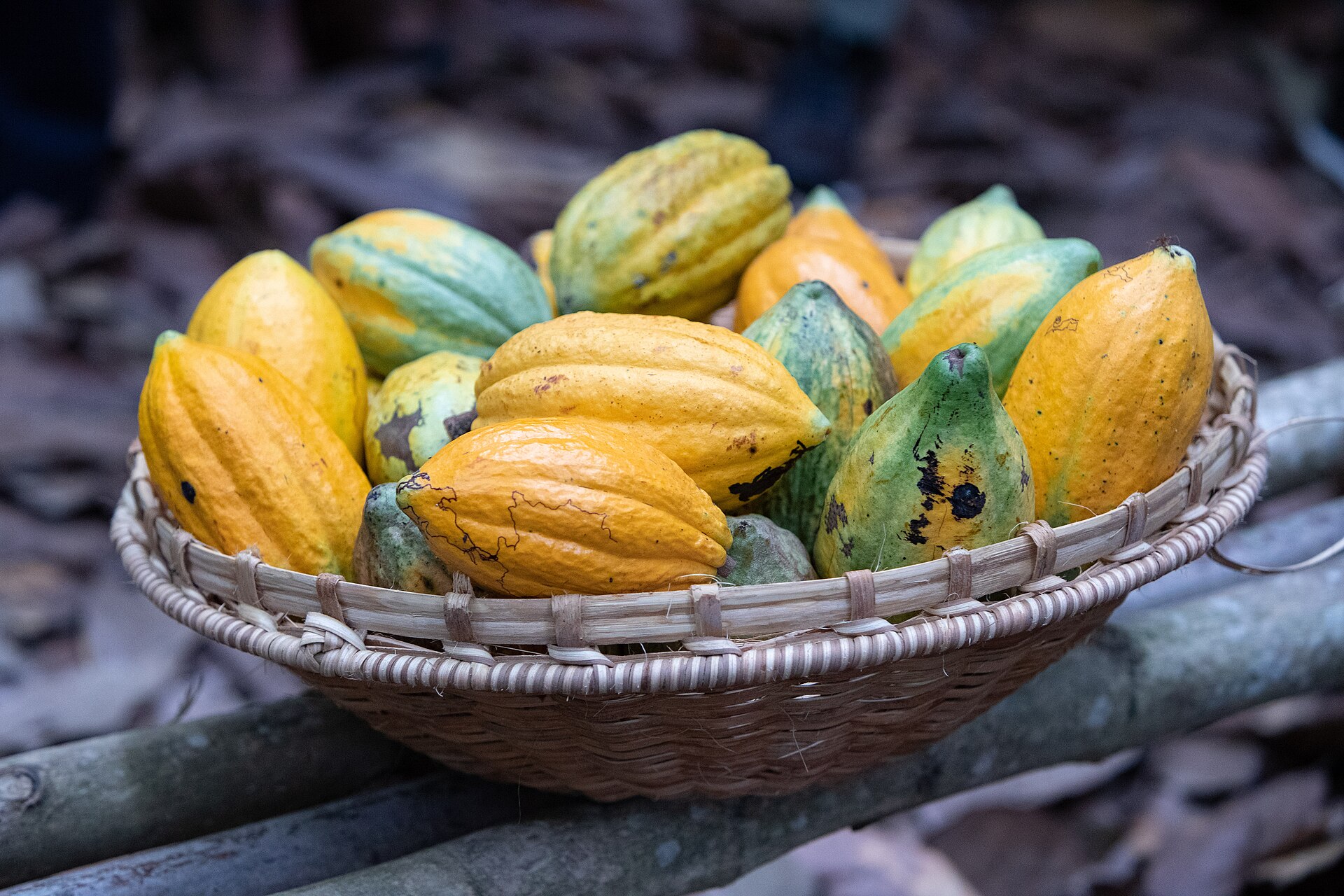
Akure — Nigeria's cocoa harvest has slipped to an estimated 300,000 tonnes a year, well behind Côte d'Ivoire's 1.2 million and Ghana's roughly 700,000. One Nigerian company is betting it can help turn that around, and keep more of the value at home. In an interview with Premium Times, John Alamu, founder and group managing director of Capitalsage Holdings, described how its subsidiary Johnvents grew from training farmers into a processor with factories in Ondo and Oyo states.
From farm advice to factories
Alamu began as a monitoring and evaluation specialist at the International Institute of Tropical Agriculture in Ibadan. Farmers told him their two biggest problems were finance and markets, which he saw as business opportunities. Johnvents first trained farmers, bought their crops and sold them on, then moved into commodity trading.
Its cocoa business began when a cooperative in Akure sought an investor for a struggling factory. The International Finance Corporation financed its refurbishment and new machinery, and Johnvents later bought Premium Cocoa Products in Oyo State.
What it produces
- Cocoa processing capacity of 48,000 tonnes a year
- A 30,000-tonne cashew factory in Ondo State, where ten plants also turn soybeans into oil and meal and run a feed mill
- Its own consumer brands, including Johnvents Choco Pops, Choco Cubes, chocolate for children and bottled water
- Operations in 19 countries
Farmers and forests
Johnvents works with about 40,000 farmers and aims to support 150,000 by 2030. It links them with the Cocoa Research Institute of Nigeria for improved seedlings, some of which mature in under three years, connects them to finance and trains them. It is Rainforest Alliance-certified and says it has full traceability for the cocoa it sources for Europe, where new deforestation rules apply; in 2025, 122,916 hectares of farmland were verified as deforestation-free. Since 2022 it has distributed more than 400,000 cocoa and shade trees and trained over 8,000 people in climate-smart farming in Ondo State. Ondo has given about 1,000 hectares and Cross River about 7,000 for its agroforestry model, in which farmers can own plots.
"Enough is enough," Alamu said of Africa's habit of exporting raw commodities, adding that Johnvents wants to keep building factories. He believes Nigeria can again be a leading cocoa producer by investing in production and farm productivity.
Source: Premium Times, interview by Abdulkareem Mojeed, 17 October 2026.