In Kibera, children play chess on boards made from waste
A community project has turned 200kg of discarded plastic into nearly 2,000 chess sets for children who could not otherwise afford one.
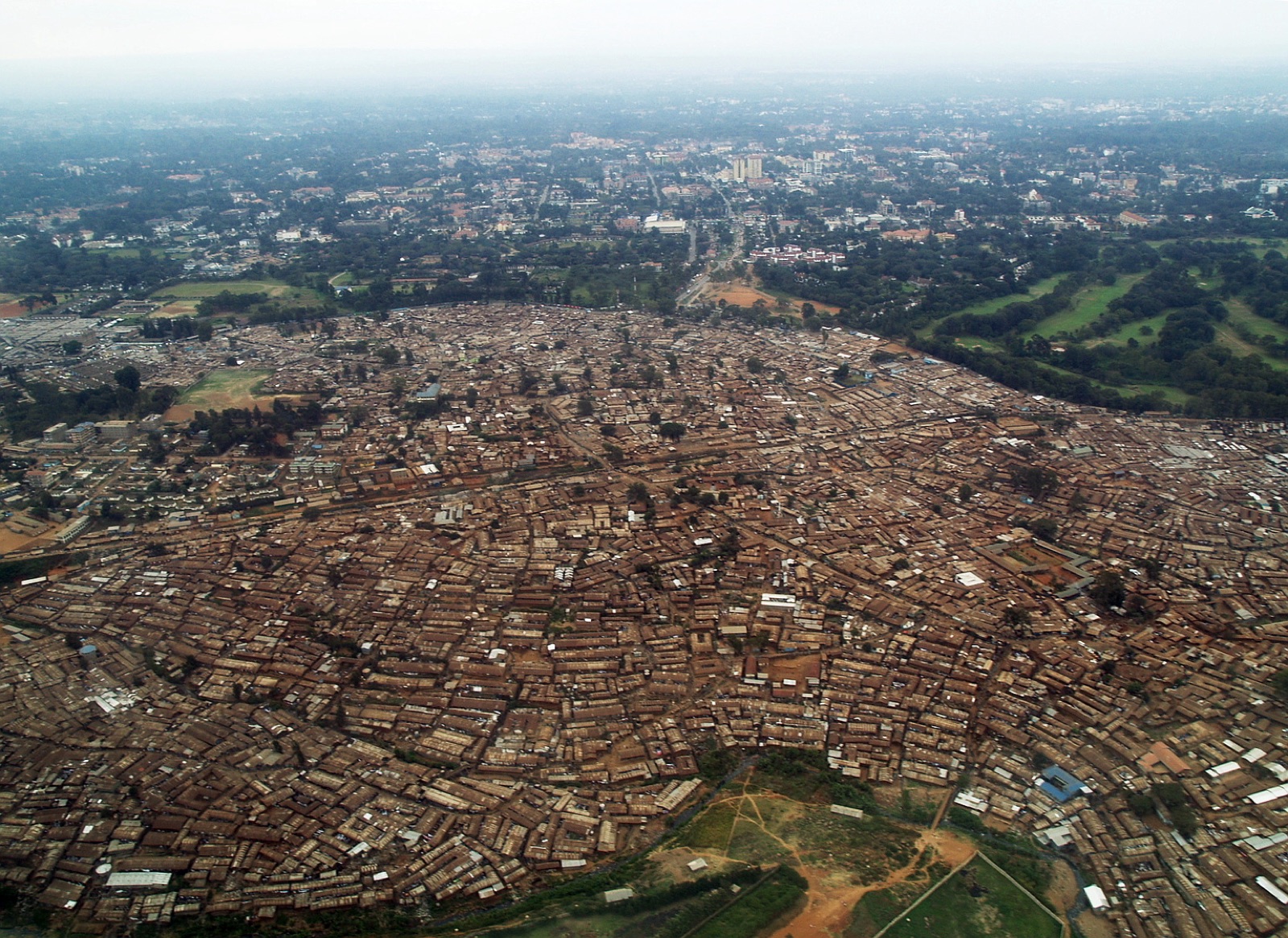
Nairobi — In Kibera, an informal settlement in Nairobi, children are learning chess on sets made from the plastic that litters their neighbourhood, Africanews reports.
A community project, Kijiji Solutions, has recycled about 200 kilograms of plastic waste into nearly 2,000 tournament-quality sets. It works with an organisation called The Gift of Chess to get them to children.
From rubbish to rooks
The project collects and sorts waste in Kibera. Suitable plastic is washed, shredded and turned into pellets, which are fed into a machine fitted with custom-made moulds in the shape of chess pieces.
Its founder, Richard Haukom, does not oversell it. "The total amount of plastic removed, it's more symbolic than it is impactful in terms of the plastic waste problem," he said.
What the children get
At the Centre of Hope School, chess is part of the curriculum.
"Once they go to that board, it does not matter where you come from," said Ian Ombati, who teaches the game.
Esther Mutua, 11, has gone on to win medals in tournaments. "When I started chess, I was not very good, so I always came for training every day," she said. Markham Odhiambo, nine, says it helps him concentrate in class and with mathematics.
The school's founder, Isabel Omondi, sees the same. "It makes them to be attentive, to be active, to focus, to concentrate," she said.
Research offers some support, with caution. Studies have found a modest link between chess and school results, but researchers still argue over whether the game itself is the cause.
This report is based on reporting by Africanews.