The scientist who brought South Africa's cattle vaccine home
Dr Faith Peta has spent 20 years rebuilding the country's ability to make its own foot-and-mouth vaccine. The first local doses went out in February.
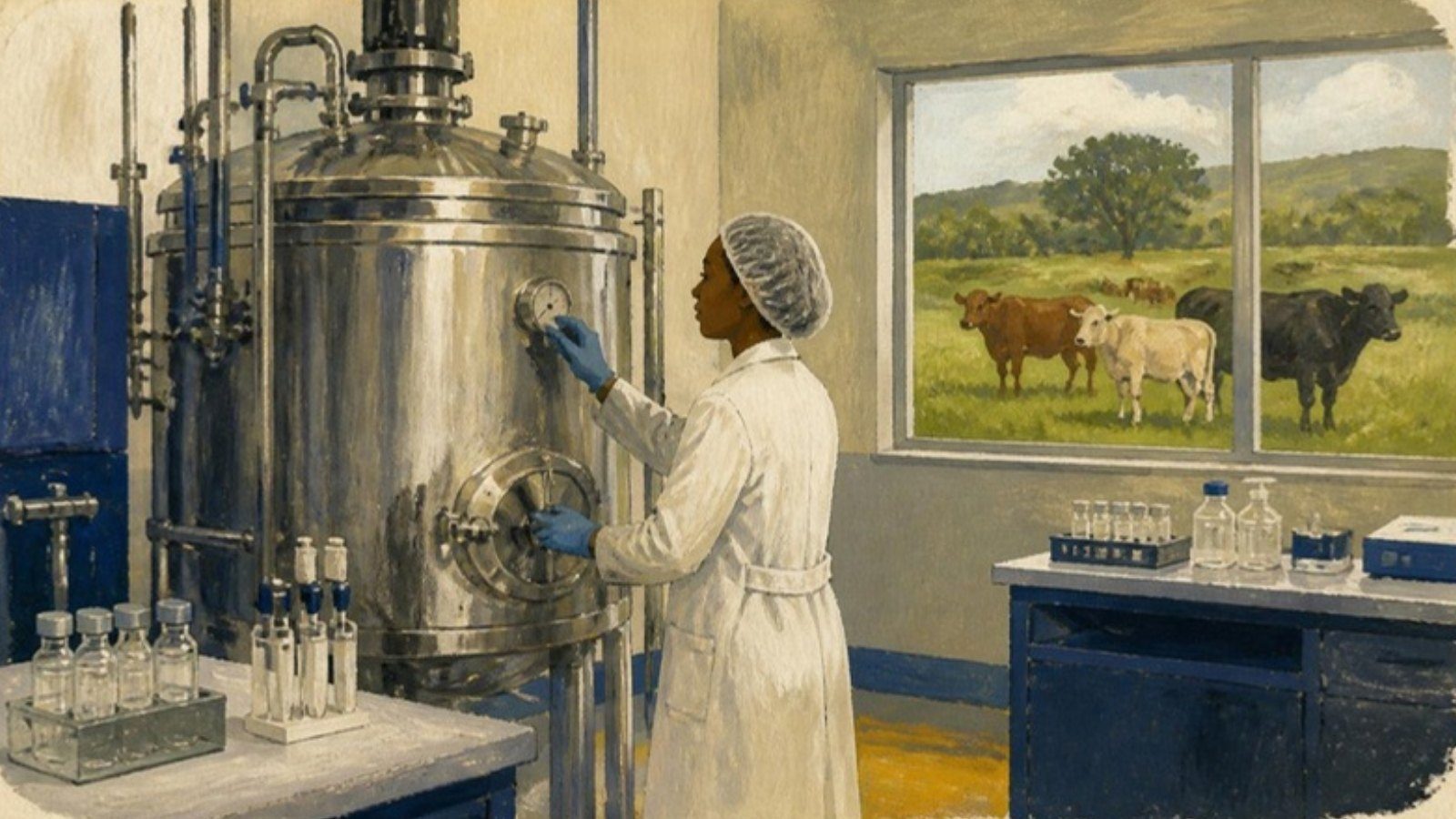
Pretoria — South Africa stopped making its own vaccine against foot-and-mouth disease in 2005, when its ageing technology and buildings no longer met international manufacturing standards. On 6 February this year, the Agricultural Research Council handed over the first batch produced in the country since then: 12,900 doses, shared among all nine provinces.
Much of the road between those two dates runs through the work of one scientist, profiled by the government news agency.
Who she is
Dr Faith Peta is chief research technician in the council's foot-and-mouth vaccine production programme at Onderstepoort, in Pretoria. She leads the team responsible for the technical side of production, its people and its equipment.
She was born in Marapyane, in Mpumalanga, and grew up in Soshanguve. Her interest in science, she says, was sparked by a character in a television soap opera.
She tried chemistry for a year after school, decided it was not for her, and qualified as a veterinary technologist at the Tshwane University of Technology. She joined the research council in 2001, where she helped to set up a molecular diagnostics laboratory, and later moved to its facility for diseases that cross borders. She completed a master's degree in 2014 and a doctorate in medical virology in 2022.
The work
Work on the vaccine began in 2006. Dr Peta developed a system for manufacturing it and then trained young science graduates to run it.
She is now part of the team designing a new vaccine factory, for which she drew up the technical specifications of the production equipment.
From 12,900 doses to 200,000 a week
- The council has committed to producing 20,000 doses a week.
- It is buying 1,000-litre production vessels to install in its existing facility as an interim step.
- The plan is to reach 200,000 doses a week in 2027, and to stop importing vaccine by the middle of that year.
Farmers and provincial authorities are pleased with how the vaccine performs, Dr Peta says, and frustrated that there is not yet enough of it. For now the country still imports to fill the gap. Under licensing arrangements approved in September, qualifying private companies may also manufacture the council's vaccine at scale.
What the vaccine is for
South Africa's strategy is to vaccinate the entire national herd and then to show, over a long period, that there are no new infections. Dr Peta expects the disease to remain a concern for at least five to ten years.
North West province has recently reported no new cases for the first time since December 2025.
What she tells younger scientists
She believes a lack of self-belief holds women back at work, and welcomes their growing presence in science. She also rejects the idea that public service is for people without ambition. Her own motive, as she describes it, is to leave things better than she found them.
Source: SAnews, 28 September 2026.