A fake Tinubu recording, a fake Atiku front page: Nigeria's 2027 election has an AI problem already
A media researcher argues that the country's institutions were built for a slower kind of lie, and that they must be ready before the campaign, not after the first crisis.
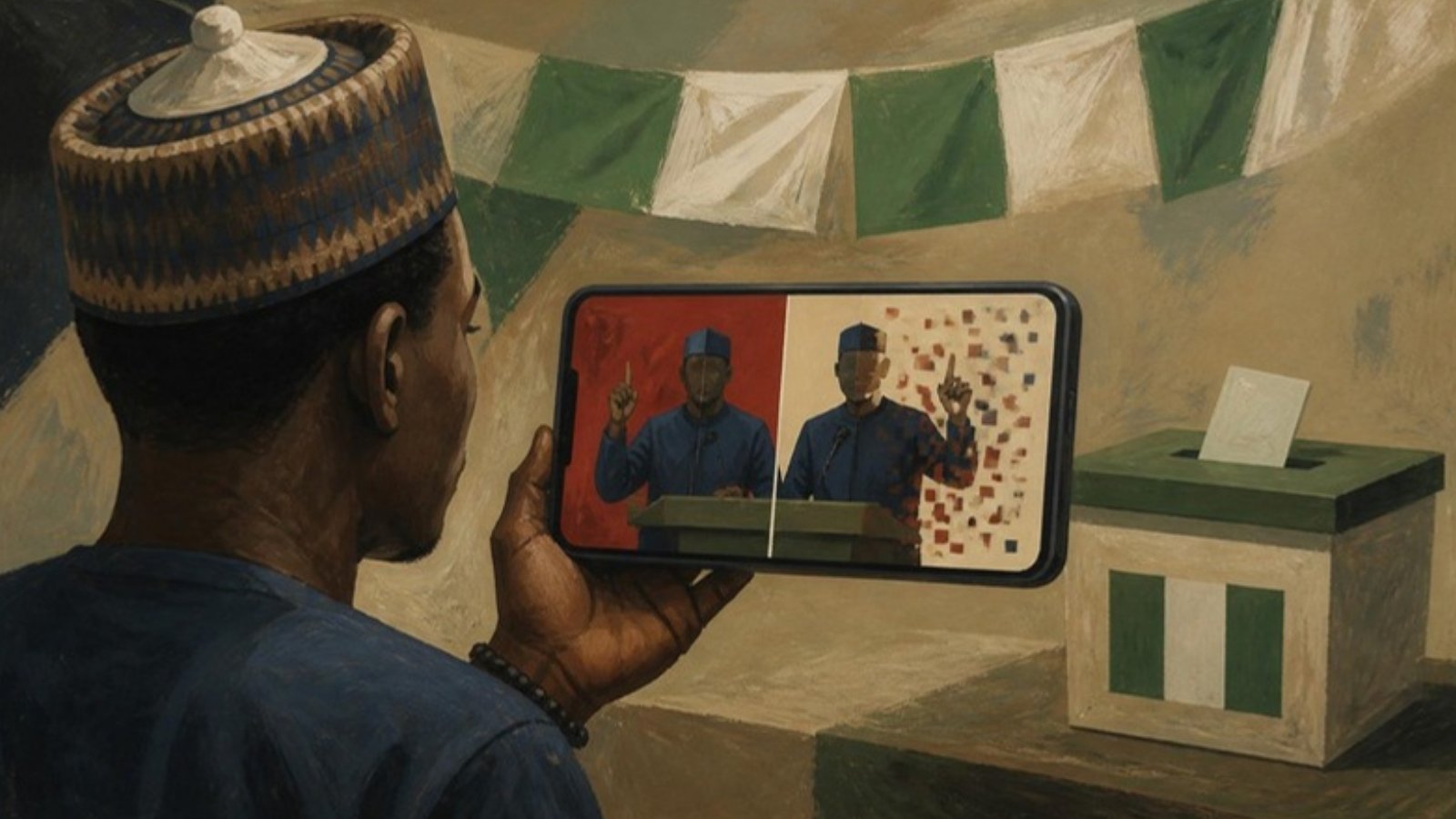
Abuja — Nigeria's 2027 election is more than a year away, and the fabricated material has already started to arrive. In an analysis for Premium Times, Akintunde Babatunde, executive director of the Centre for Journalism Innovation and Development, argues that the country is not ready for it.
What has already happened
He lists four cases from the past year.
- May 2026: a fake audio recording that appeared to be President Bola Tinubu discussing opposition parties, insecurity, borrowing and the 2027 election spread on social media. The presidency called for the prosecution of the online personality Martins Otse, known as VeryDarkMan. The fact-checker FactCheckHub then established that he had not posted it. Police arrested another man as the originator.
- July 2026: the presidential candidate Peter Obi was accused of faking photographs of himself at a meeting in Berlin. FactCheckHub confirmed he was there, though some pictures may have been digitally enhanced.
- September 2026: the fact-checker DUBAWA examined AI-generated images made to look like newspaper pages, falsely reporting that Atiku Abubakar had promised Nigerians would pay no rent if he were elected.
- December 2025: after the boxer Anthony Joshua was injured in a car crash, AI-generated pictures showed Tinubu at his hospital bedside. The visit never happened.
Two dangers
Babatunde's first point is speed. A fake takes minutes to make and far longer to disprove, and in the last days of a campaign that gap can decide what voters believe.
The second is what researchers call the liar's dividend. Once fakes are common, a politician can dismiss a genuine recording as fabricated. Proving that something is real becomes as important as catching what is not.
What he proposes
He wants the electoral commission to set out how it will respond to fabricated announcements, and parties and candidates to keep known channels through which journalists can check material. Newsrooms should verify disputed content before airing it. Fact-checkers need forensic tools and training, and platforms need clear policies and a way to escalate cases quickly.
Public education on its own, he argues, will not be enough.
This report is based on an analysis by Akintunde Babatunde in Premium Times.