A new dinosaur from Lake Kariba shows Zimbabwe's were not like South Africa's
Musango matusadonaensis walked on two legs about 210 million years ago and was found by a safari camp manager. Scientists worked from houseboats to dig it out.
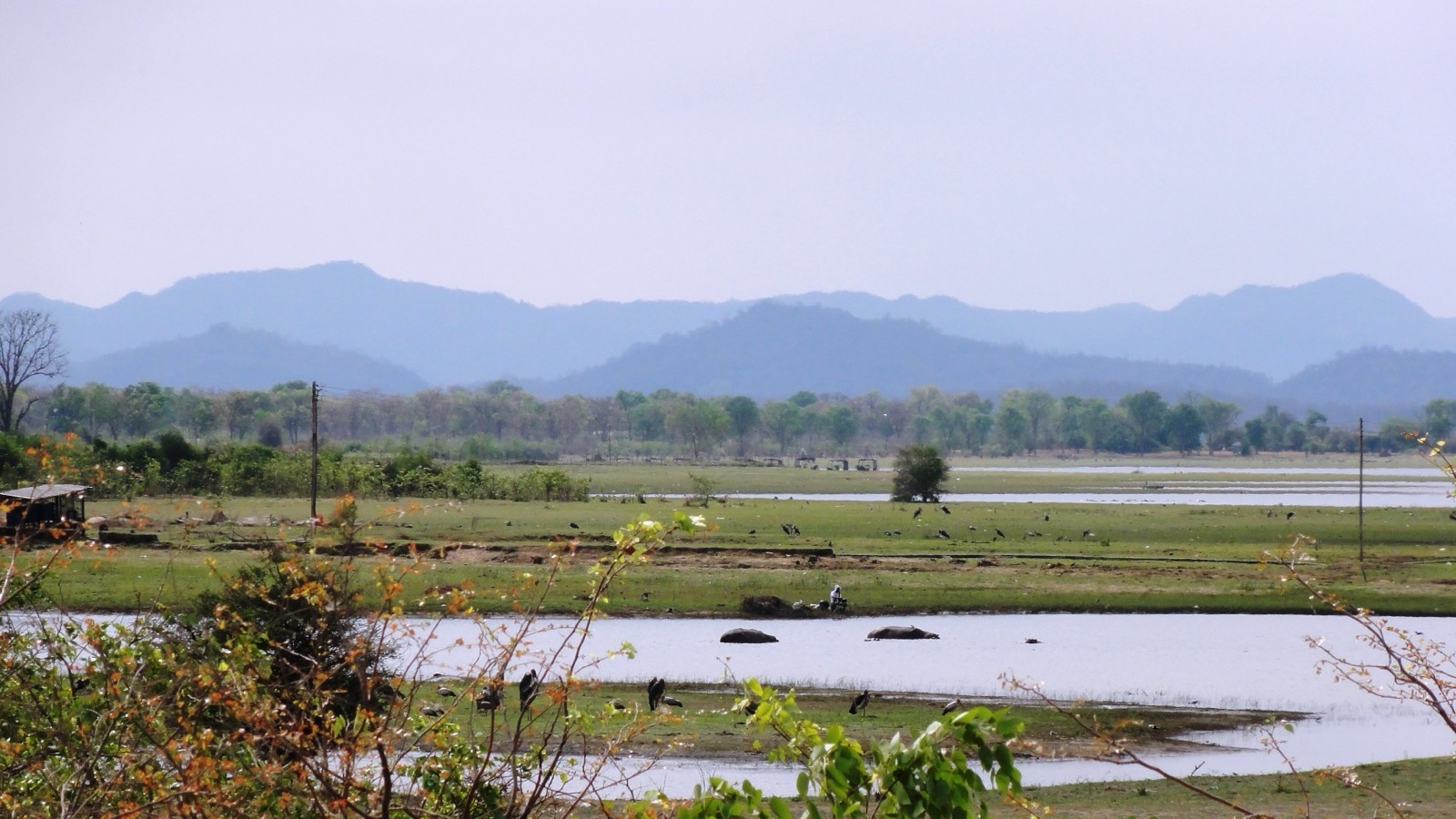
Kariba — Scientists have described a new species of dinosaur from the shores of Lake Kariba in Zimbabwe, and say it adds to evidence that the country's early dinosaurs were distinct from those living at the same time in neighbouring South Africa.
The animal has been named Musango matusadonaensis. Paul Barrett of the Natural History Museum in London, who led the study, describes the find in The Conversation Africa.
What it was
Musango was a sauropodomorph, an early relative of the giant long-necked dinosaurs that came later. It walked on two legs, was about 4.5 metres long and weighed roughly 220 kilograms. The individual found was not yet fully grown when it died.
It lived about 210 million years ago, in the Late Triassic period.
How it was found
The fossil was spotted in the Nyamasango River near Musango Island, in Matusadona National Park, by Steve Edwards, who manages a safari camp on the lake.
A team assembled by Jonah Choiniere of the University of the Witwatersrand in Johannesburg collected it during two expeditions, in 2017 and 2018. They used houseboats on the lake as floating laboratories and dug the bones out of brick-red mudstone and sandstone.
It is the second new dinosaur from the same rocks. A related animal, Musankwa, was described in 2024.
Why it matters
Fossils of similar age from South Africa are well studied. Barrett writes that the Zimbabwean animals turn out to be different species, despite the short distance between the sites, and that differences in the ancient environment may explain why.
The work builds on discoveries made in the 1970s by the Zimbabwean palaeontologists Geoffrey Bond and Michael Raath.
This report is based on an article by Paul Barrett in The Conversation Africa, via AllAfrica.