Explainer: why Cameroon's power company loses money on every kilowatt-hour, and the plan to fix it
Socadel spends 118.2 CFA francs to supply a kilowatt-hour that customers pay 85.4 for. French consultants have been hired to draw up a recovery plan as the utility asks Cameroonians to save power.
Lire cet article en français →
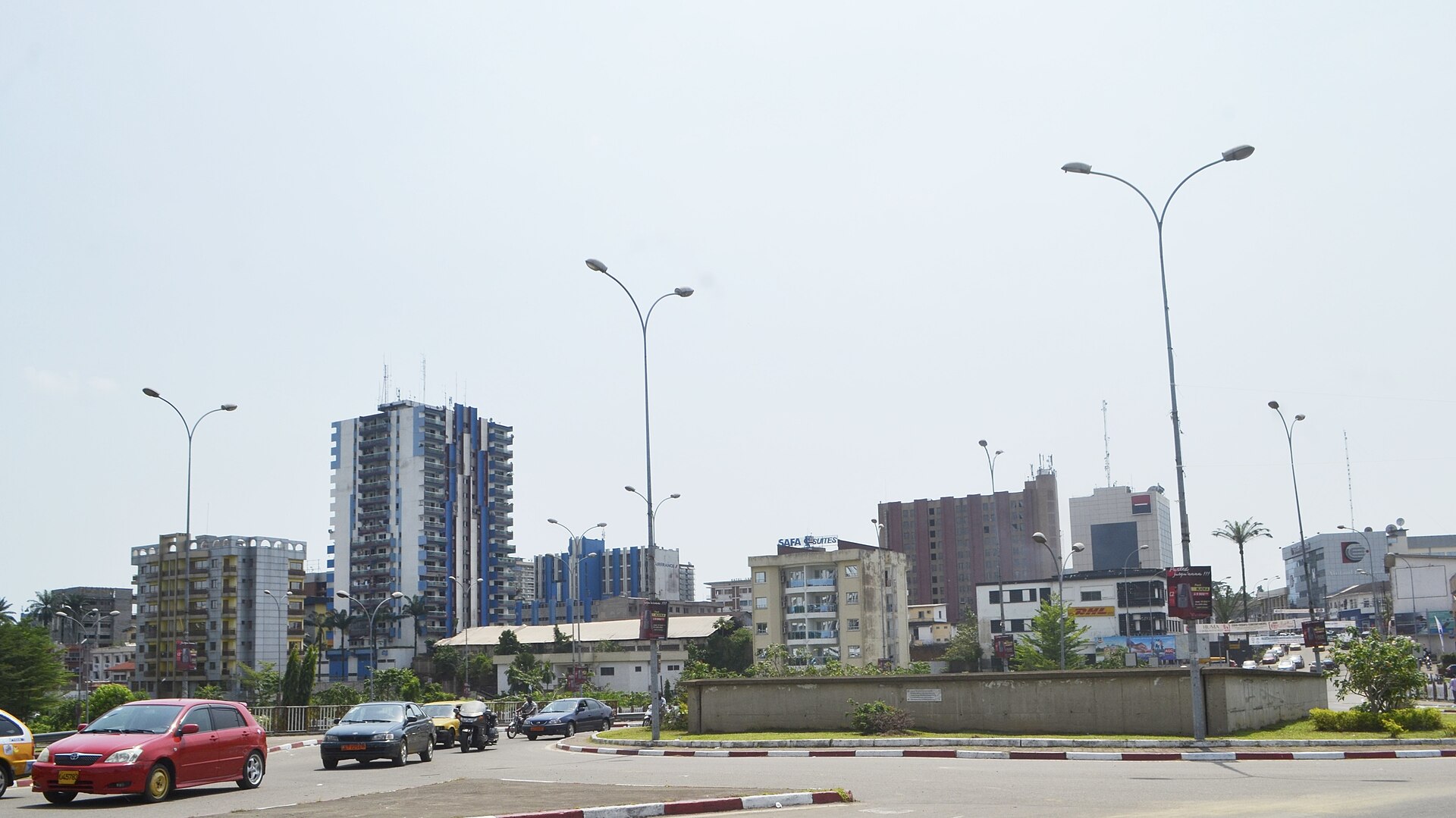
Douala — Electricity is one of the most searched topics in Cameroon this week, after Actu Cameroun reported that the national power company, Socadel, had warned of an electricity deficit and asked customers to cut their consumption. Behind the alert is a company under heavy financial strain. Here is what the numbers show.
What is Socadel?
The Société camerounaise d'électricité (Socadel) took over from the former operator, ENEO, in May 2026. It inherited a very weak financial position.
The gap on every kilowatt-hour
According to figures the company released in October, it costs Socadel an average of 118.2 CFA francs to produce and supply one kilowatt-hour. Customers pay an average of 85.4 CFA francs. That is a loss of 32.8 francs on each unit, Sika Finance reported. Low-voltage tariffs, paid by most households, have been frozen since 2012, and public compensation payments have been irregular.
Cash and debt
In May 2026, ENEO's restructuring plan showed a monthly cash shortfall of 13 billion CFA francs: it billed 40 billion a month but collected only 31 billion, against 44 billion in costs. Total debt is estimated at close to 850 billion CFA francs. The IMF put the state's arrears to the former operator at about 700 billion CFA francs at the end of 2024.
The rescue plan
Cameroon has hired two French firms, Ginger SOFRECO and Espelia, to carry out a full diagnosis of Socadel and draw up an internal recovery plan. The contract, awarded on 6 November, is worth 626 million CFA francs over up to 12 months, financed by a World Bank (IDA) credit for electricity-sector reform.
Socadel is also trying to raise 260 billion CFA francs from banks: 60 billion for investment in production and distribution, and 200 billion from General Bank of Cameroon, Afriland First Bank and BGFI Bank for cash needs and refinancing. It says six audits have already saved 6.5 billion CFA francs, and a 107 billion emergency plan for 2026–2027 targets bill collection, power theft, network losses and new equipment.
Underground cables for Douala
Separately, Socadel has budgeted 3.44 billion CFA francs from its own funds to build more than 10 kilometres of underground cable galleries at five sites in Douala, including the port, Investir au Cameroun reported.
What it means for households
Until costs and prices are closer, and the state and customers pay what they owe, the utility will struggle to invest. That is why both the audit and the push on collections matter for anyone waiting for steadier power.
Sources: Sika Finance, Investir au Cameroun, Actu Cameroun, November 2026.