Fifty-nine years after the Asaba massacre, Obasanjo asks for forgiveness and the town asks for an apology
At this year's memorial, the traditional ruler of Asaba said his people are ready to forgive but want a sitting Nigerian president to say sorry for the killing of more than 1,000 civilians in 1967.
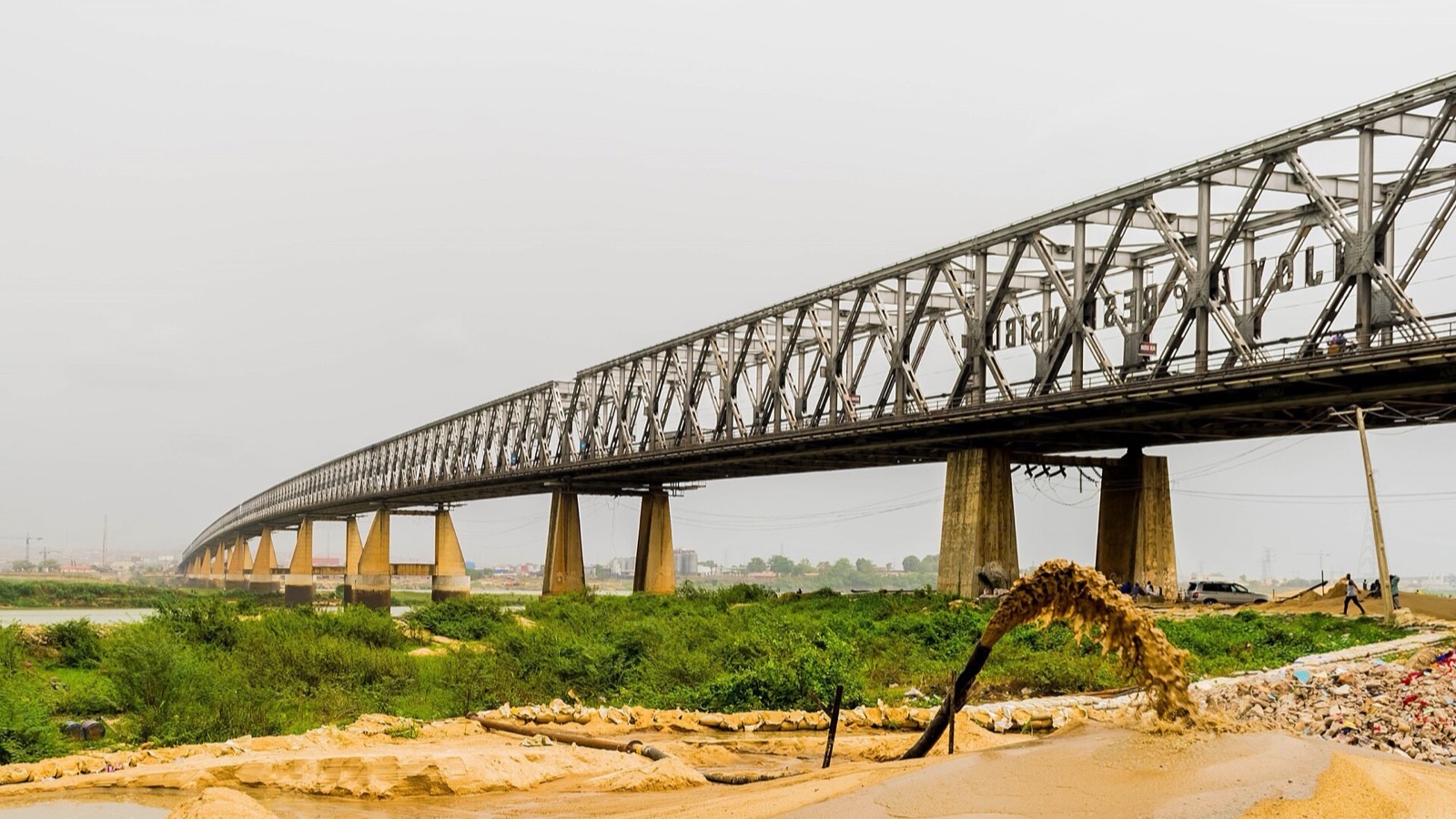
Asaba — Nigeria's former president Olusegun Obasanjo has urged the people of Asaba to forgive those responsible for the massacre of civilians in the town during the civil war, Premium Times reports.
Obasanjo chaired the 59th anniversary memorial on Thursday, taking part by video link. "Forgiveness, forgiveness, and forgiveness again" is essential for healing, he said.
"We may not forget"
The Asagba of Asaba, Professor Epiphany Azinge, who is the town's traditional ruler, accepted the appeal with a condition. "We may not forget, but certainly, we have to forgive," he said. But he added that closure requires an apology from a sitting president.
Yakubu Gowon, who led Nigeria's military government during the war, has apologised for the killings, but did so after leaving office.
The governor of Delta State, Sheriff Oborevwori, was represented by the secretary to the state government, Kingsley Emu. "The killing of unarmed civilians can never be justified," the governor's message said.
What happened in 1967
In October 1967, federal troops who had entered Asaba, on the west bank of the River Niger, killed large numbers of men and boys from the town. Researchers and community historians estimate that more than 1,000 people died.
The memorial heard from the families of soldiers as well as victims. Ahmed Taiwo, a retired major-general, apologised on behalf of his father's family. Speakers also honoured Paul Ogbebor, then a colonel, who is credited with saving lives; his son Enotie Ogbebor addressed the gathering.
The Obi of Onitsha, Nnaemeka Achebe, spoke about restitution and reconciliation. The event was convened by Chuck Nduka-Eze, who holds the title of Isama Ajie of Asaba.
This report is based on reporting by Premium Times, via AllAfrica.