Gambia, Malawi and Mauritius back UN inquiry on Sudan
A record number of countries voted to renew the fact-finding mission. Human Rights Watch says they stopped short of giving it the means to preserve evidence.
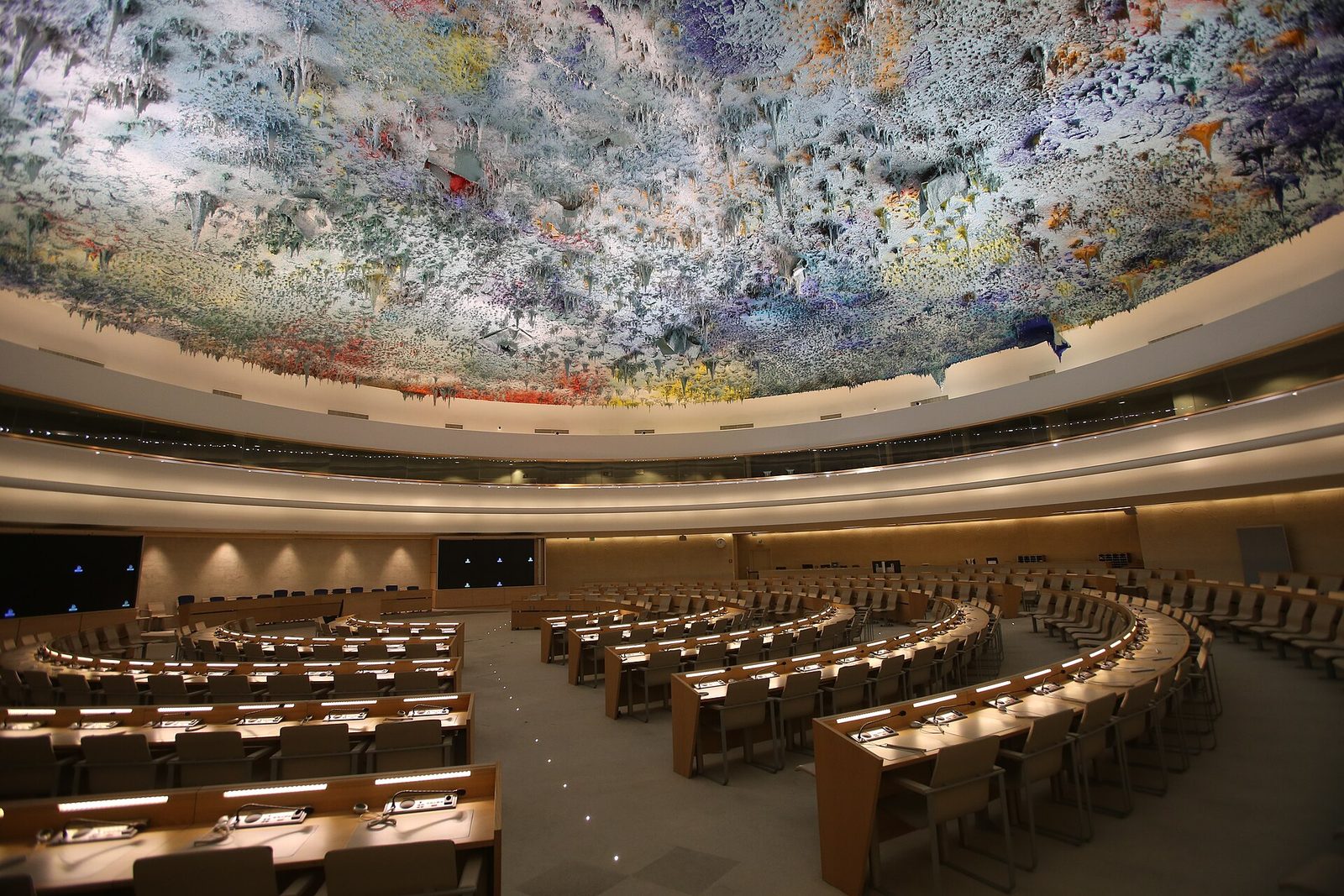
Geneva — A record number of countries have voted at the UN Human Rights Council to renew the mandate of its fact-finding mission on Sudan, with Gambia, Malawi and Mauritius supporting it for the first time, Human Rights Watch reports.
The three joined South Africa and countries from other regions. The organisation's commentary does not give the vote count.
What the mission does
The mission investigates violations and abuses by the parties to Sudan's war. It also collects and preserves evidence so that those responsible can be identified and, in time, prosecuted.
In the past year it has published a special inquiry into the assault by the Rapid Support Forces on El Fasher, which concluded that the attack bore the hallmarks of genocide, and a report on the role of outside actors in fuelling the conflict.
The resolution renewing its mandate highlighted the mission's identification of a transnational network supporting the Rapid Support Forces with weapons, logistics, training and foreign personnel. It called for scrutiny of outside support across the full chain of responsibility.
The mission has worked alongside a separate fact-finding mission of the African Commission on Human and Peoples' Rights.
Why Gambia's vote matters
Explaining its position, Gambia said that truth, justice and accountability are the foundation on which lasting peace and reconciliation have to be built, and recalled its own history.
The authors, Hilary Power and Allan Ngari of Human Rights Watch, read the wider support as growing recognition that atrocities in Sudan, and the impunity behind them, have to be confronted.
What was left undone
They also point to a gap. The resolution acknowledges the importance of gathering and preserving evidence, but states did not strengthen the mission's capacity to do it, which civil society groups had asked for.
They urge the African states that backed the resolution to make sure the African Union's Peace and Security Council takes up the African Commission's own report on Sudan.
Source: Human Rights Watch, 7 October 2026.