Ghana launches a policy to look after mothers' mental health
Seventy per cent of health workers surveyed did not know maternal mental health disorders. A new national policy, backed by WHO training, aims to change what happens in antenatal clinics.
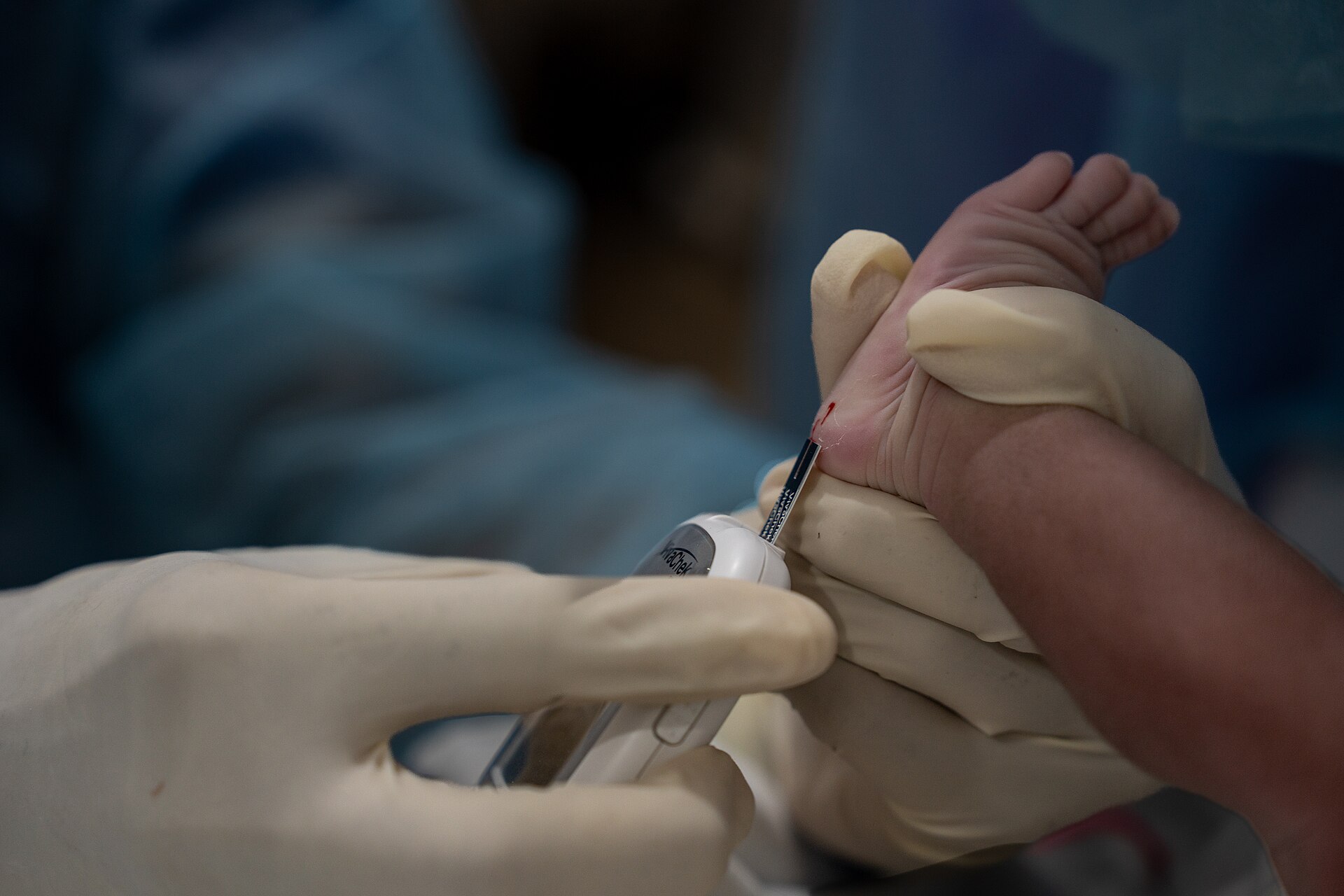
Accra — When Dr Emelia Agblevor, who lives with bipolar disorder, was pregnant, nobody in her antenatal or postnatal care ever asked about her mental health. She had a psychiatrist who was also a friend, and a psychologist who checked on her. "If I wasn't privileged enough...I don't know how things would have ended up for me," she told the World Health Organization.
Ghana now has a Maternal Mental Health Policy, launched in 2026, intended to make sure other mothers do not need that kind of luck.
The gap it addresses
- A WHO-supported review of maternal mental health services in Ghana found that as many as 70% of health workers surveyed were not familiar with maternal mental health disorders, and many lacked the skills to screen, diagnose or help.
- WHO says almost no women who give birth in Ghana receive any form of mental health care.
What is changing
The policy sets out how to build mental health into maternal and child health services, with earlier identification, referral, better-trained health workers and wider access to care. WHO-supported training has already helped midwives learn to ask women about their feelings in ways that feel less intimidating, given the stigma many fear. "It will not be just for a one-time thing," said Judith, a midwife in Ashaiman, who hopes more midwives will be trained. Recommendations have also gone to the Nursing and Midwifery Council so maternal mental health can be built into training.
The work is part of the WHO Director-General's Special Initiative for Mental Health, which in Ghana aims to bring quality mental health care to an additional 5.2 million people. "Every woman deserves maternal care that recognises both her physical and mental wellbeing," said Dr Fiona Braka, WHO's representative in Ghana.
Dr Agblevor says the test will be what happens in clinics: if the policy is implemented and institutionalised, it could go a long way for mothers.
Source: World Health Organization Regional Office for Africa, 14 October 2026.