Medicines are running out in Darfur, WHO warns, with its appeal 23% funded
More than 700,000 displaced people in Tawila face severe shortages, the agency's Sudan chief says. The UN Security Council has meanwhile extended its Sudan sanctions for two months.
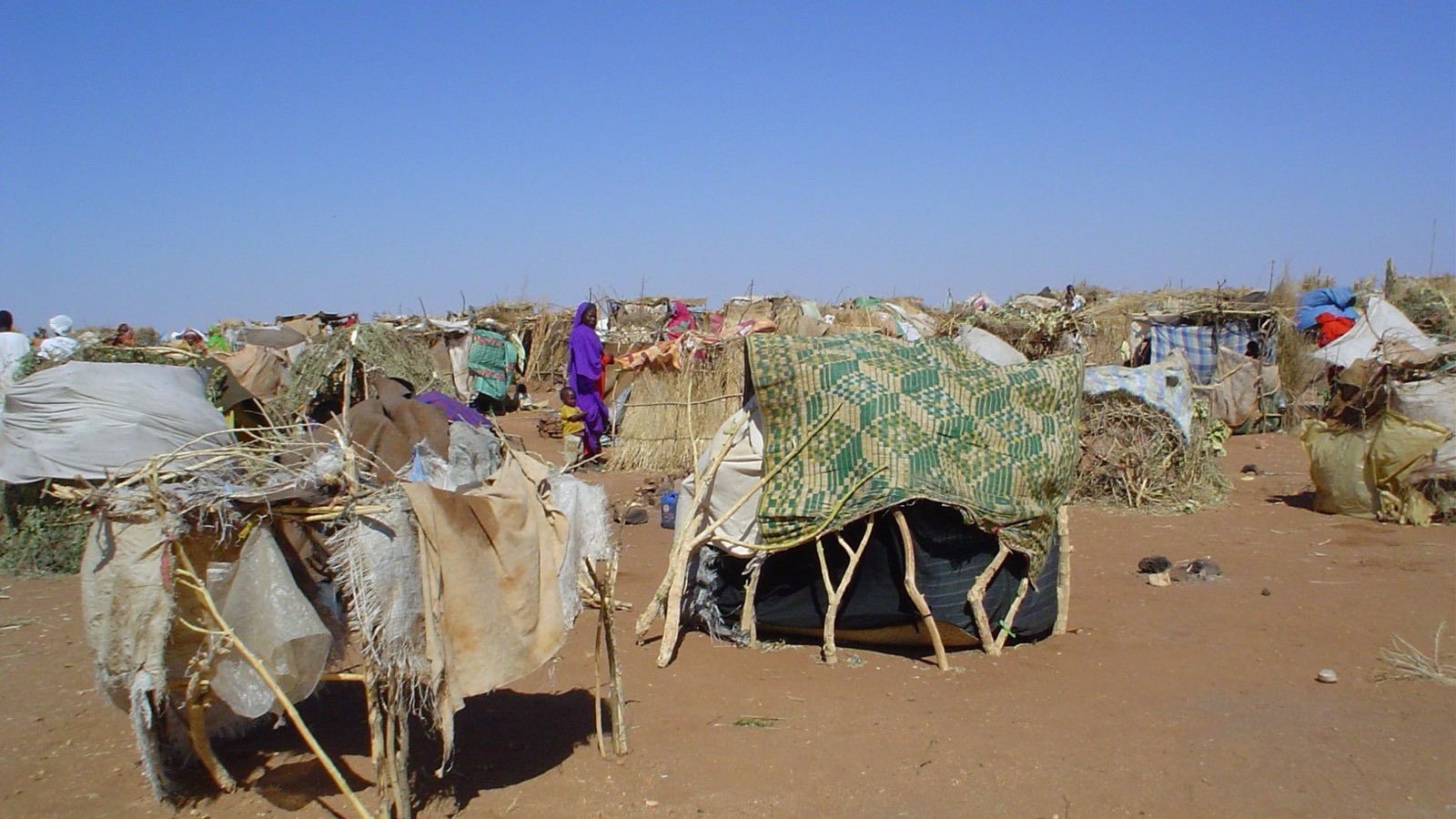
Tawila — Health needs in Sudan's Darfur region are far outstripping the resources available to meet them, the World Health Organization's most senior official in the country has warned, according to UN News.
"I have witnessed the immense scale of health and humanitarian needs in Tawila and other parts of Darfur," said Dr Abdinasir Abubakar.
Tawila under strain
More than 700,000 displaced people have gathered in Tawila, in North Darfur, where they face severe shortages. Darfur as a whole hosts 65% of Sudan's 8.6 million displaced people.
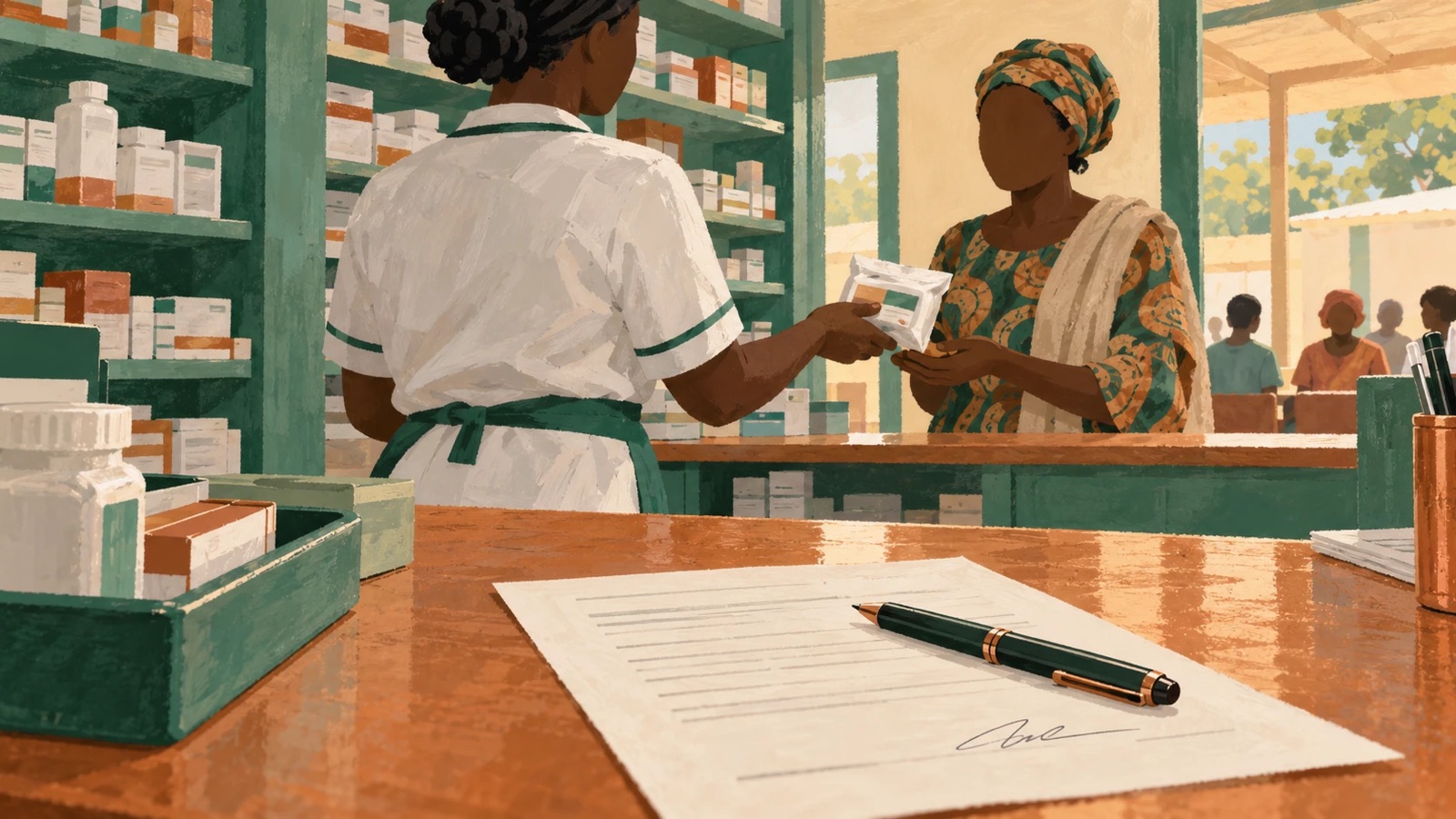
The WHO says stocks of medicines are critically low, including those for HIV, tuberculosis and neglected tropical diseases. Mental health services are severely limited. Concern about malnutrition is growing after poor rains and failed harvests.
The agency's 2026 humanitarian appeal for Sudan, worth $97.7 million, is only 23% funded.
Sanctions extended
In New York, the UN Security Council voted unanimously to renew its Sudan sanctions regime for two months, until 11 December. The mandate of the panel of experts that monitors the measures was extended to 11 January 2027.
The sanctions date from the Darfur conflict of 2004 and include an arms embargo on the region.
Sudan's war between the army and the paramilitary Rapid Support Forces is now in its fourth year. It has produced what the UN describes as the world's largest displacement crisis, and fighting continues in Darfur and the Kordofan region.
This report is based on reporting by UN News.