Nigeria expects bigger harvests in 13 of 17 major crops this season
A national survey projects cereal output up 1.84% to 29.39 million tonnes, raising hopes of fuller markets and softer food prices if storage and transport hold up.
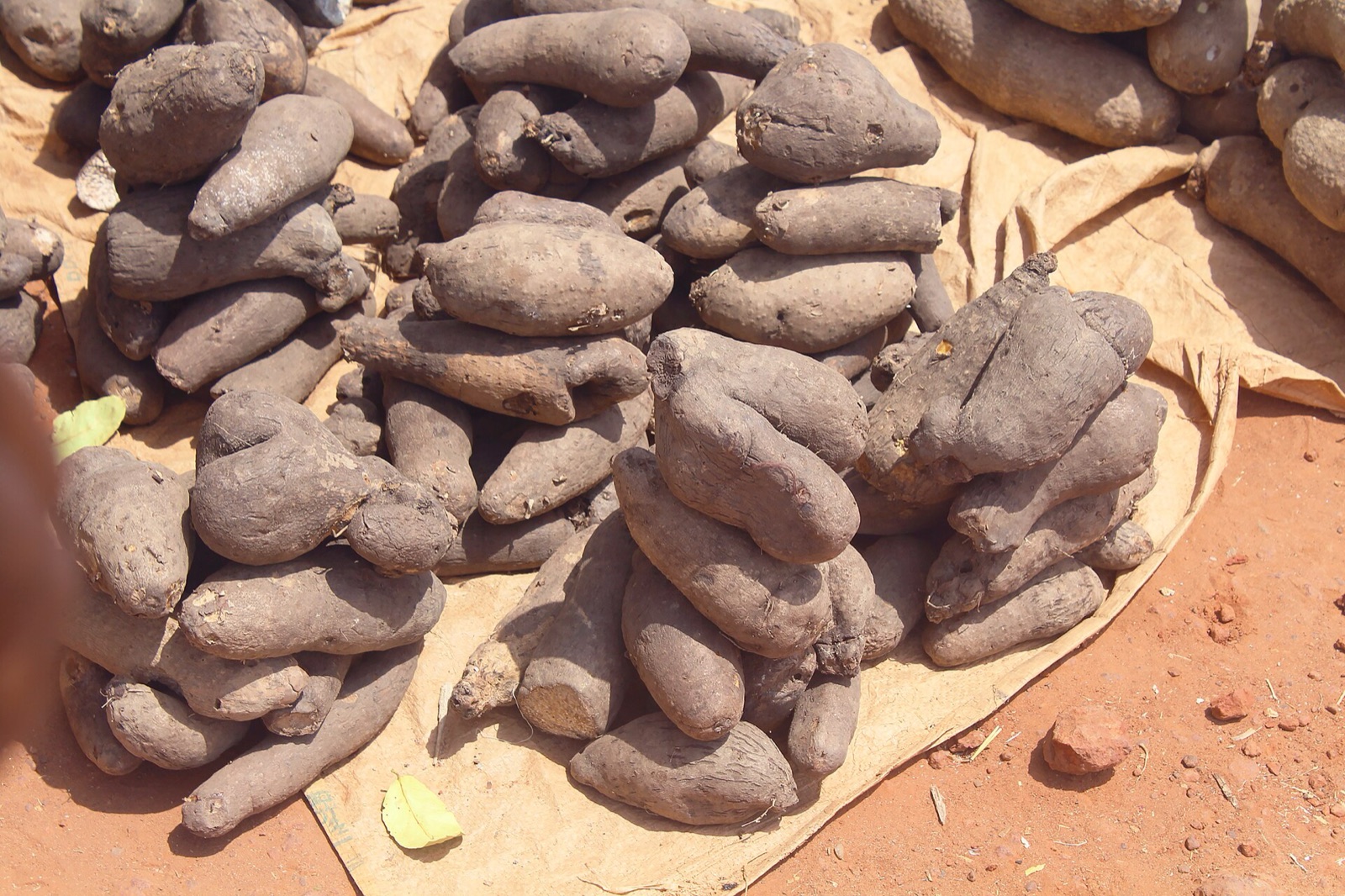
Zaria — Nigeria's food supply outlook has brightened, with output projected to grow in 13 of the 17 major crops assessed in the 2026 wet season, BusinessDay reported.
The figures come from the 2026 wet season agricultural performance survey by the National Agricultural Extension and Research Liaison Services (NAERLS) at Ahmadu Bello University, Zaria.
The headline numbers
The survey projects cereal output will rise 1.84% year on year to 29.39 million tonnes. The expected gains raise hopes of stronger market supplies and softer food prices, despite rising demand, high production costs, insecurity, climate variability, poor storage and weak transport, BusinessDay noted.
Which states lead
The survey names the top producers of each staple:
- Niger State: yam (5.36 million tonnes) and rice (737,801 tonnes);
- Benue State: cassava (4.37 million tonnes) and soybean;
- Kaduna State: maize (911,342 tonnes) and ginger (305,884 tonnes);
- Kano State: sorghum (672,492 tonnes) and onions (132,352 tonnes);
- Bauchi State: groundnut (722,408 tonnes);
- Ebonyi State: plantain (1.22 million tonnes);
- Gombe State: cowpea (350,121 tonnes);
- Yobe State: millet (205,843 tonnes).
Building on last year
The projections follow growth in the previous season. The 2025 survey showed national rice output rising 2.7%, from 9.13 million tonnes in 2024 to 9.37 million tonnes, while maize grew from 11.22 to 11.44 million tonnes.
The spread of top-producing states shows how different farming zones supply each other, BusinessDay said, and why stronger regional supply links are needed so that bigger harvests turn into affordable food.
Source: BusinessDay, 23 November 2026.