Nine in ten South African homes now have electricity, up from 77% in 2002
Ahead of the 4 November local elections, Africa Check's factsheet shows how far connections have come, where the gaps are, and how sharply reported power cuts have fallen.
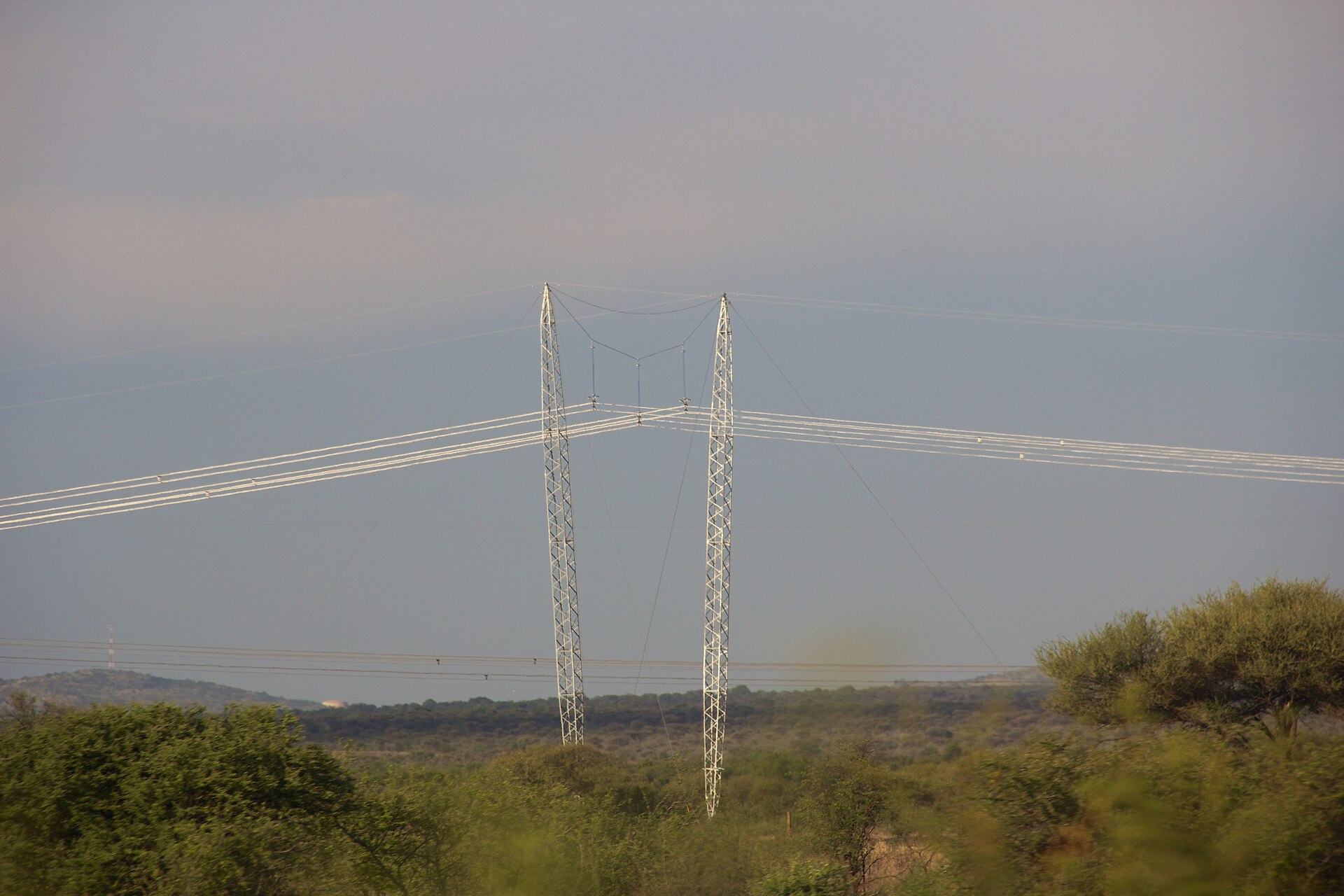
Johannesburg — Nine in ten South African households are connected to mains electricity, according to the latest figures from Statistics South Africa, set out by the fact-checking organisation Africa Check ahead of the local government elections on 4 November.
How far it has come
- 2025: 90.6% of households connected, supplied by municipalities or the state utility, Eskom.
- 2002, when Stats SA started measuring: 76.7%.
- At the end of 1993, a survey of about 9,000 households found 54% had mains power: nearly all white-headed households, but 37% of those headed by black Africans.
Africa Check cautions that early-1990s figures should be compared with care, because the surveys used different methods.
Where the gaps are
- The Western Cape has the highest share connected, 96.5%, followed by the Northern Cape, 95.6%.
- Gauteng has the lowest, 84.2%, down from 87.2% in 2002, which Stats SA links most likely to fast household growth in the province.
- Three-quarters of households without mains power are in urban areas, and more than half are in Gauteng.
- Almost 95% of them are headed by black Africans.
Stats SA's service delivery statistics manager, Niël Roux, said the figure may include some households connected through neighbours or landlords, including unauthorised connections.
Fewer cuts
The share of households reporting interruptions fell from 92.1% in 2023 to 35.9% in 2024 and 31% in 2025. Almost 4% still report daily interruptions, most often in Mpumalanga and Limpopo, and least in the Northern and Western Cape.
Before the vote
Ahead of the elections, parties are promising to upgrade infrastructure, reduce outages and expand renewable energy. Africa Check warns voters to expect false claims about electricity: fake outage schedules, deepfake videos and voice notes, and offers of free or discounted power through unverified WhatsApp numbers. It advises checking Eskom's and municipalities' official channels, and reporting suspicious content to the Electoral Commission.
Source: Africa Check via AllAfrica, reporting by Taryn Khourie, 14 October 2026, using Statistics South Africa's General Household Survey.