Sol Plaatje at 150: the writer who gave Black South Africa its first English novel
Born on 9 October 1876, he was a newspaper editor, translator of Shakespeare into Setswana and the first general secretary of what became the ANC. New books are bringing his letters and writing back into print.
Kimberley — Friday marks 150 years since the birth of Solomon Tshekisho Plaatje, the South African journalist, novelist, linguist and campaigner whose life is being revisited in a wave of new scholarship.
Plaatje was born on 9 October 1876 and died in 1932. He grew up in a Setswana-speaking Barolong family on a German mission station in the Cape Colony, writes Janet Remmington, a researcher at the University of York and the University of the Witwatersrand, in The Conversation Africa.
A life of firsts
He edited newspapers, kept a diary of the siege of Mafeking during the South African War of 1899 to 1902, and became the founding general secretary of the organisation that grew into the African National Congress.
His book Native Life in South Africa, published in 1916, was a protest against the Natives Land Act of 1913, which barred Black South Africans from owning or renting land across most of the country.
His novel Mhudi, published in 1930, is regarded as the first full-length novel in English by a Black South African. He also translated plays by Shakespeare into Setswana, and argued that African languages belonged in world culture.
Wider connections
Remmington writes that Plaatje built links with figures in the Black diaspora and with campaigners for women's suffrage during his travels abroad.
Recent work on him includes Brian Willan's biography Sol T. Plaatje: A Life, published in 2018, a volume of his letters published in 2020, and a new edition of his selected writings.
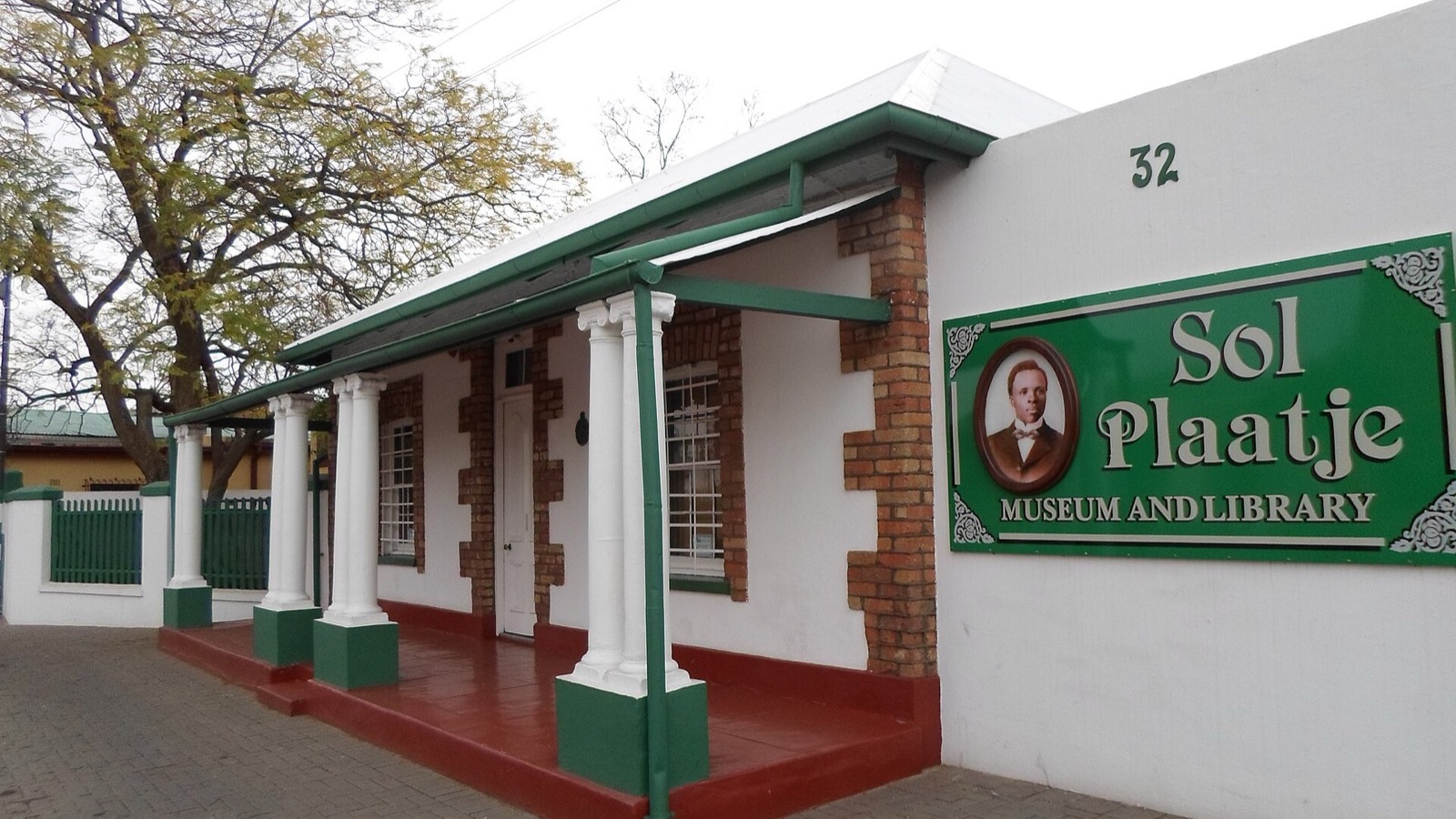
Plaatje spent much of his working life in Kimberley, where the university and the surrounding municipality now carry his name.
This report is based on an article by Janet Remmington in The Conversation Africa, via AllAfrica.