The Timbuktu manuscripts: centuries of African science, law and poetry, saved by the families who kept them
Written from the 13th to the 20th century, hundreds of thousands of pages were carried to safety in 2012-13 and are now being digitised.
Lire cet article en français →
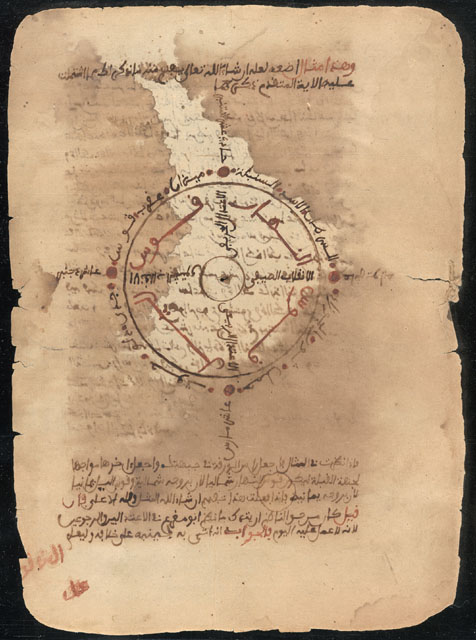
Bamako — For centuries, families in Timbuktu, in northern Mali, kept a treasure in their homes: manuscripts on astronomy, medicine, law, philosophy, history and poetry, alongside copies of the Qur'an. Together they are known as the Timbuktu manuscripts, the best-known body of writing from West Africa.
A library of a civilisation
The manuscripts date from the late 13th century, when the Mali Empire embraced Islam, to the early 20th century. Most are in Arabic, but some are in African languages written in Arabic script, known as Ajami, including Fula, Songhay, Tamasheq, Bambara and Soninke. Scribes in Timbuktu copied works by Plato, Hippocrates and Avicenna, and local scholars wrote their own on religion, law, poetry and the movement of the stars. The chronicler Mahmud Kati even described a meteor shower in August 1583, probably the Perseids: "stars flew around as if fire had been kindled in the whole sky".
Carried to safety
During the crisis in northern Mali in 2012 and 2013, the manuscripts were in danger, and 4,203 were burned or stolen. But librarians and families moved about 350,000 to safety in Bamako, often in secret, in boxes and trunks. Around 300,000 were still there in 2022.
Saved twice: the digital copies
Work to preserve them began well before. A University of Oslo project from 1999 to 2007 revived the art of bookbinding, trained local specialists and catalogued the collection at the Ahmed Baba Institute. Since 2013, the Hill Museum & Manuscript Library in the United States has worked with the Malian association SAVAMA-DCI to photograph more than 150,000 manuscripts, and a project with the British Library is digitising those still kept in Timbuktu's three great mosques.
Their survival is a reminder that Africa has written its own knowledge for a very long time.
Background: Wikipedia.