US deportations to Africa are designed to frighten migrants, Human Rights Watch says
More than 500 people have been sent to African countries that are not their own. Fifteen African governments have now agreed to take deportees, the latest being Burundi.
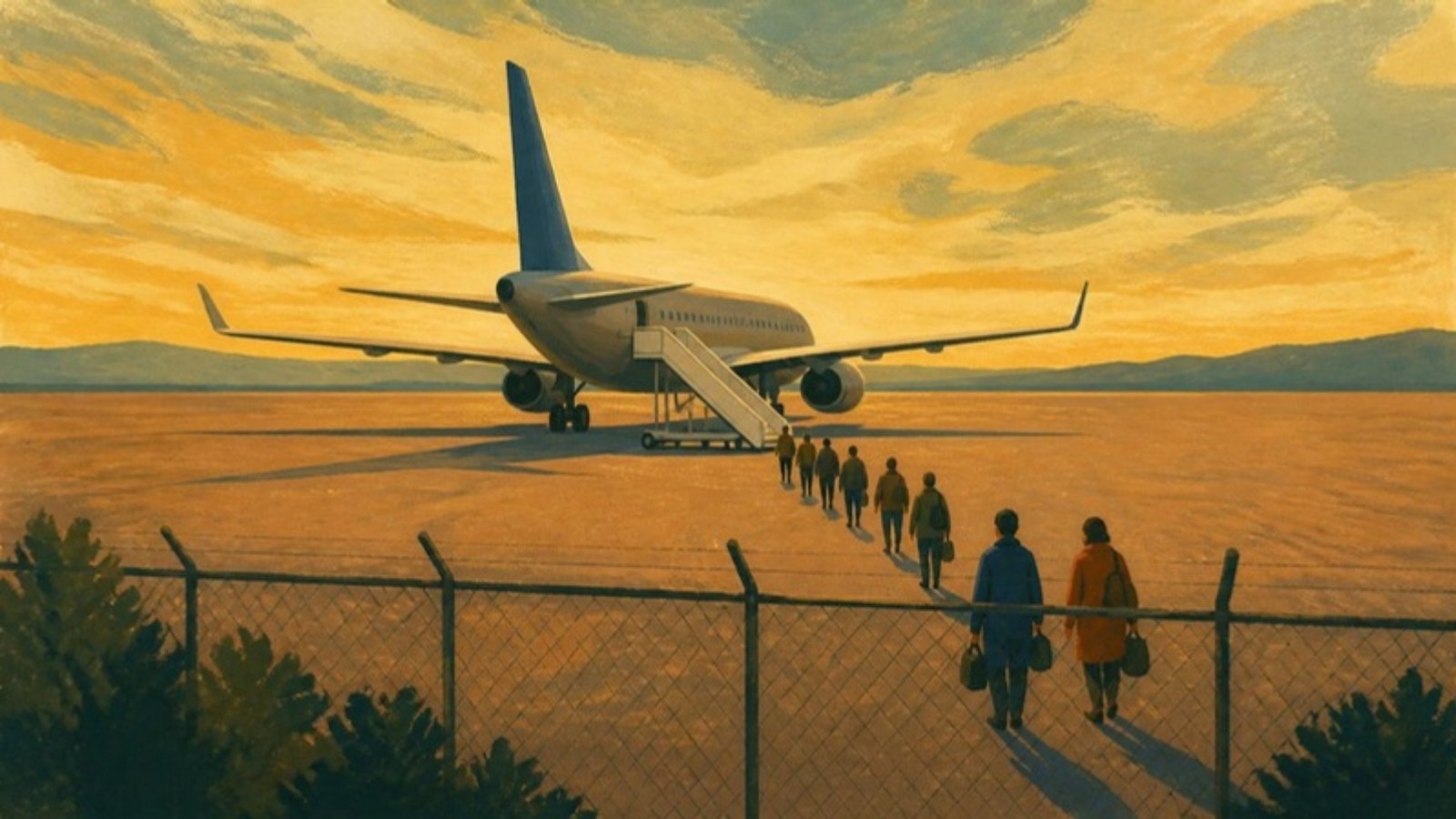
PANM — The United States is violating international human rights law by deporting migrants to African countries they have no connection with, Human Rights Watch (HRW) has said, according to Radio France Internationale.
The policy "violates international human rights law and is designed to instrumentalise human suffering as a deterrent to migration", the organisation said.
More than 500 people
US immigration data show that more than 500 people have been deported from the United States to African countries other than their own. HRW interviewed 24 people sent to six African countries.
Those interviewed described being held in chains on flights lasting up to 18 hours and not being told where they were going. At least a dozen LGBTQI+ people were sent to countries that criminalise same-sex relations, HRW said. The report quotes an unnamed US official as saying distant destinations were chosen to "scare people".
Countries named as destinations include Cameroon, the Central African Republic, the Democratic Republic of Congo, Equatorial Guinea, Eswatini and South Sudan.
Fifteen governments
Fifteen African countries have agreed to receive deportees from the United States, RFI reports. Burundi signed most recently, this month.
HRW says many of the agreements are secret or only partly disclosed, which hides the conditions deportees are held in and what governments receive in return. An earlier investigation by the news agency AFP documented the use of diplomatic and economic pressure, including threats of tariffs and visa restrictions.
The programme has grown since President Donald Trump returned to office in January 2025. The journalism group Forbidden Stories estimated in September that about 25,000 people have been deported worldwide to third countries.
This report is based on reporting by Radio France Internationale, via AllAfrica.