Young Africans must move from promise to power, Agenda 2063 symposium hears
At JCI Sandton's fifth Agenda 2063 symposium, speakers from the Presidency, AUDA-NEPAD and Afrobarometer agreed the plans exist. The test now is delivery, with young people given real authority.
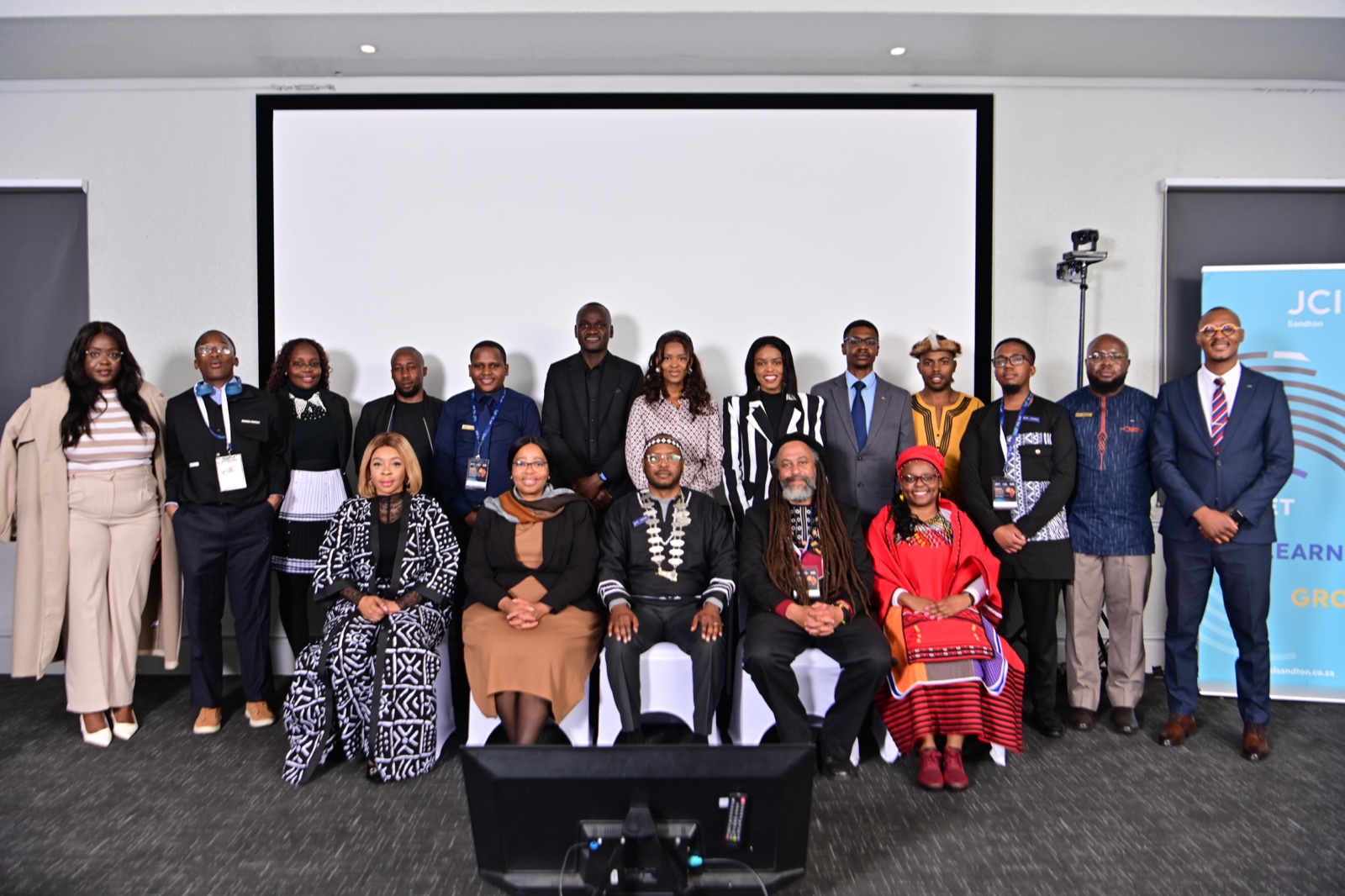
Johannesburg — Africa does not lack plans for its young people. What it needs now is to carry them out, and to give young Africans real decision-making power. That was the shared message of the 2026 Agenda 2063 Symposium hosted by Junior Chamber International (JCI) Sandton in Johannesburg on 5 September.
The symposium, the fifth the chapter has held, took as its theme youth leadership in governance, peace and sustainable development. It brought together speakers from the Presidency of South Africa, the African Union's development agency AUDA-NEPAD, the survey network Afrobarometer, Uganda's National Planning Authority and the private sector, according to a statement from the organisers.
Implementation is the test
Opening on behalf of the Presidency, Pulane Kole said Africa's continental commitments on youth, governance and peace are already in place, and that the question now is implementation. She proposed five commitments, among them:
- a mission to turn young people's skills into income
- funding for peacebuilding led by young people
- opening the African Continental Free Trade Area's markets and government procurement to young entrepreneurs
- an annual public scorecard on how Agenda 2063 is serving the young
She set out the size of the task at home. Statistics South Africa's figures for the second quarter of 2026 put unemployment at 33.6%, and at about 62.8% among 15 to 24-year-olds.
Turning decisions into delivery
Linton Mchunu, a senior adviser at AUDA-NEPAD, described the agency's job as turning continental decisions into results. He said its programmes reached all 55 African Union member states last year, and that its portfolio has grown in four years from about $30 million to more than $300 million, with a target of $1 billion by 2029. He put Africa's development financing gap at $3.3 trillion.
Institutions that work, and citizens with a voice
Chrissy Dube argued that the Africa people want will not be built by declarations, and called for institutions founded on transparency, accountability and independence, with citizens empowered and not merely consulted.
Asafika Mpako of Afrobarometer presented survey data from 38 countries on how Africans of different ages see democracy, trust in institutions, corruption and unemployment.
Samuel S. Omwa of Uganda's National Planning Authority made the case for participation between elections. In Uganda, he said, 94% of citizens know they have the right to vote, but only 30% feel able to demand accountability, and 16% had been told how public money was spent.
An economy young people can enter
Thulani Sithole of Mondise Innovations presented the circular economy as a strategy for industry and jobs, with the free trade area providing the scale of market.
Jovi Chen of Zen Consortium said African entrepreneurs are underfunded, not underqualified. He cited an estimate by the African Development Bank of a $330 billion annual financing gap for small and medium-sized businesses across sub-Saharan Africa, and urged companies and investors to treat backing them as part of their core strategy.
Advocate Sipho Mantula offered a Pan-African perspective, calling for peace, education, youth leadership programmes and universities that act as centres of democratic citizenship, rooted in Ubuntu and African traditions.
What comes after
JCI Sandton's local president for 2026, Chris Malanda, urged delegates to leave with at least one commitment to act. The real measure of the symposium, he said, would be what happens afterwards: the partnerships built, the commitments kept and the actions taken.
JCI Sandton is a chapter of Junior Chamber International, a worldwide network of young active citizens.
Source: media release from JCI Sandton, issued after the symposium of 5 September 2026.